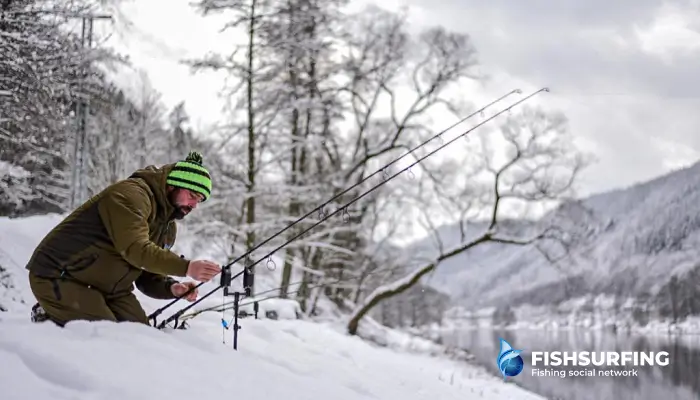


Carp fishing is one of the most popular fishing disciplines not only in Czechia, but all over the world. The reason is simple: carp are smart, cautious and strong fish that can torment even experienced fishermen. At the same time, they are a symbol of calm, patience and the perfect battle between man and nature. Anyone who has ever experienced the bite of a heavy carp and its first sudden lunge knows that it is a moment they will never forget. However, to ensure that fishing does not turn into fruitless waiting, it is important to understand how carp think, what attracts them, and what techniques work in different conditions.
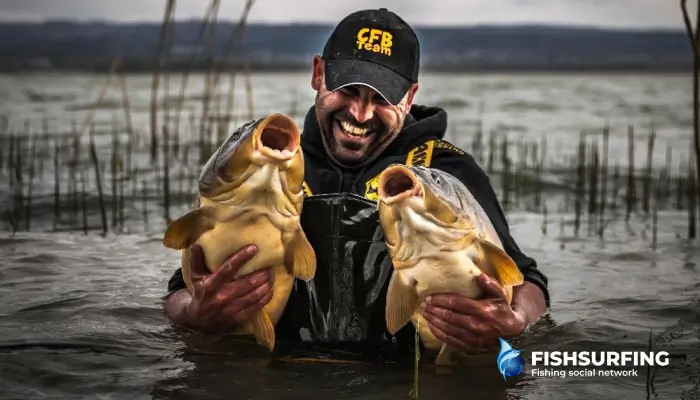
How carp think and why they are not easy to catch
The common carp is an omnivore that feeds mainly on larvae, mollusks, plants, and food debris at the bottom. Its senses are highly developed. It has excellent perception and remembers where the hook once "flew" from. When something doesn't suit it, it calmly swims a few meters away and waits for the situation to calm down. It is precisely this caution that is the main reason why carp are so difficult to outsmart.
Carp also have a highly developed sense of smell. They react to the aroma, taste, and consistency of food. That is why the choice of bait is crucial. What works in cold water may not work in summer, and what smells good to one carp may deter another.
How carp behavior changes according to the season
- In spring, carp wake up after winter and look for shallow, warm areas with plenty of food.
- In summer, they are mainly active in the morning and evening, retreating to deeper waters or the shade of aquatic vegetation during the day.
- In autumn, they prepare for winter by feeding intensively, and this is when the biggest catches are made.
- Winter is usually quieter, but surprisingly active fish can be caught in slowly thawing areas.
The best bait for carp
Choosing the right bait is often what determines the success or failure of an entire trip. Today's carp fishing offers a huge range of options, from traditional corn to modern boilies flavored with octopus, pineapple, or halibut. Nevertheless, simplicity and naturalness are usually the key.
Natural baits: a classic that never fails
Traditional baits such as corn, peas, potatoes, or worms have been working for decades. Carp react to them naturally because they remind them of the food they normally find at the bottom.
- Corn is the most popular choice. It is easily available, inexpensive, and has a strong smell.
- Peas and potatoes are more suitable for calmer waters where there are no small fish.
- Animal baits such as manure worms or bloodworms are irresistible, especially in colder water, where carp need more protein.
Boilies: a modern weapon for selective fishing
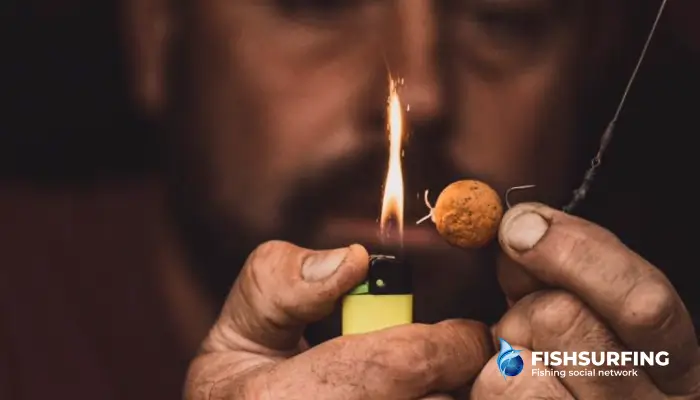
Boilies are now the basis of modern carp fishing. They are cooked balls made from flour, fish or vegetable proteins and attractive flavors. Their advantage lies in their durability, selectivity, and versatility.
- In warm water, fruit and sweet flavors (strawberry, scopex, honey) work better.
- In colder water, it is better to use fish or meat boilies (squid, halibut, krill).
Choose the size of the boilies according to the activity of the fish. Small ones (12–16 mm) attract more smaller fish, while larger ones (20–24 mm) tend to be selective and target larger fish.
You can also dip the boilies in a dip to make them smell stronger, or combine two colors and flavors. And if you like to play around, try making your own mixture of fish meal, eggs, and additives according to your own taste. What you make yourself often works best.
Pellets and method mixes: when you want a sure bite
Pellets have become an integral part of modern carp fishing. Fish like them because of their high protein and oil content and their attractive scent, which is gradually released into the water. Unlike boilies, they dissolve faster, making them a great choice when you want to attract fish to the feeding spot in a shorter time.
- In colder water, halibut, fish, or salmon pellets, which have a distinctive aroma, work well.
- In summer, on the other hand, sweet and fruity varieties that are not so heavy on the fish are more effective.
You can use pellets on their own on a hook, in a PVA bag, or as part of a method mix. This is a mixture of crushed pellets, meal, corn, and liquid attractants, which is mainly used in method feeders. It is pressed into the feeder with a mold and, after hitting the bottom, immediately begins to release its aroma and small particles of food. For carp, this is a signal that something is happening in the area, and it usually doesn't take long before the first bite comes.
Proven carp fishing techniques
The right bait is only half the battle. The other half is how you present it. Each style of fishing has its own charm and ideal situation in which it excels. It depends on the weather, the activity of the fish, but also on how much time you have and how well you know the specific water.
Bottom fishing
Bottom fishing is one of the most traditional and versatile techniques. The bait lies on the bottom and waits for the carp to find it. It sounds simple, but here too, details such as the length of the leader, the size of the sinker, and the sensitivity of the indicator are crucial. Those who pay attention to these details are usually the most successful at the water's edge.
Bottom fishing can be done with boilies, corn, or pellets. It works great for longer fishing sessions, especially at night, when carp are not afraid to swim closer to the shore. It is important to feed wisely. In this case, less is more. Carp quickly get used to finding food in a given spot and start visiting it regularly.
Feeder and method feeder
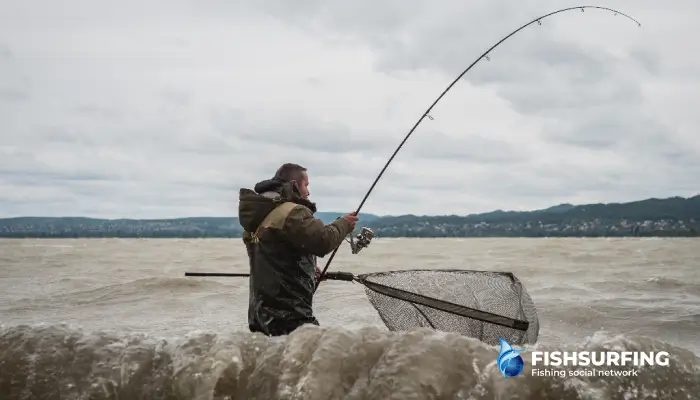
Feeder is one of the most effective techniques for carp fishing, especially in union waters. It is based on precision and patience. Unlike classic bottom fishing, you do not wait passively here. Using a feeder, you deliver a precisely measured amount of mixture to the bait, and the fish immediately receives a signal where the food is located.
The modern method feeder takes this technique even further. The bait is placed directly into the method feeder and, after hitting the bottom, is released together with the feed. This is irresistible to carp. They find the place where the food smells good and immediately encounter the hook with pellets or mini boilies. This method is suitable for active fishing, when you want to keep an eye on what is happening in the water and react to bites in real time.
- The feeder is ideal for small and medium-sized carp.
- The method feeder often brings in nice trophy fish.
Surface fishing and zig rig
In summer, when the water is warm and the carp stay close to the surface, it makes sense to try less common methods, such as surface fishing or zig rig.
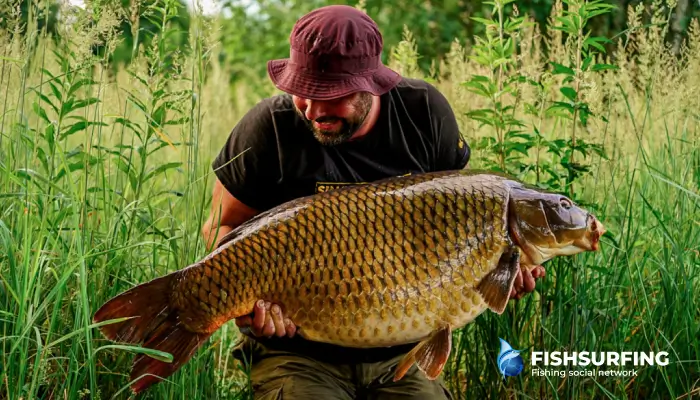
Fishing from the surface is simple and very visual. You let the bait, which is often a floating pellet or a piece of bread, float on the surface. The carp takes it right before your eyes, making it one of the most exciting styles of fishing ever. However, it requires calm and patience, as the slightest noise or movement on the shore can reliably scare the fish away.
How to use a zig rig for summer carp fishing
Zig rig is a special method of carp fishing, which is mainly used in summer or in clear weather, when the fish are not lying at the bottom but moving in the middle layer of the water. Unlike the classic rig with bait at the bottom, the zig rig has a longer leader (even two or three meters) and the bait floats above the bottom, sometimes just below the surface.
Small floating lures in bright colors are used, which attract carp with their movement and contrast against the background. The idea is to imitate a small piece of food floating in the water column. Fish often notice it before anything on the bottom, and bites come when you least expect them.
The zig rig has one disadvantage: it requires patience and experimentation. Sometimes it is enough to raise the lure half a meter higher and the carp will start to bite. But when you hit the right depth, this method can bring catches that would never come with a classic rig.
When and where carp bite best
Carp are unpredictable, but certain patterns repeat themselves. In spring, it pays to look for shallows where the water warms up faster. Carp feed here after winter and respond mainly to soft baits with a light aroma. In summer, they are mainly active early in the morning and in the evening, when the temperature drops and the water becomes oxygenated. During the day, they retreat to deeper waters, so it is a good idea to fish closer to the bottom or try a zig rig.
Autumn is usually a time for records. Carp increase their food intake and respond to almost anything – from corn to large meat boilies. Just choose a quieter spot, ideally near the edge of the shallows, and wait patiently. Winter is quiet, but if the water does not freeze, you can succeed with a delicate feeder and smaller animal baits.
Calm, patience, and the right moment
Carp fishing is not about chance, but about patience and understanding the water. Every fishing ground, every bait, and every weather condition can play a role. And that is the magic of carp fishing. Sometimes you get a bite after a few minutes, other times after a long wait. But the moment when the rod bends and the brake starts to click is always worth it.
Whether you fish for fun or to fulfill your dream of catching a trophy carp, enjoy the peace and quiet by the water. And if you're looking for more tips on locations, techniques, or sharing experiences, check out the Fishsurfing app.