


Does it even make sense to go carp fishing right now? Isn’t it still too early for pike? And when is the best time to catch zander? Answering these questions isn’t exactly easy. Fish behave differently throughout the year. Water temperature, food availability, and their activity levels all change. And if you want to be successful while fishing, you have to adapt to these changes.
Why do fish bite differently throughout the year?
You may have noticed that in the same spot, you can get plenty of bites one month and almost none a few weeks later. This isn’t a coincidence. Fish react to environmental changes much more sensitively than we often realize.
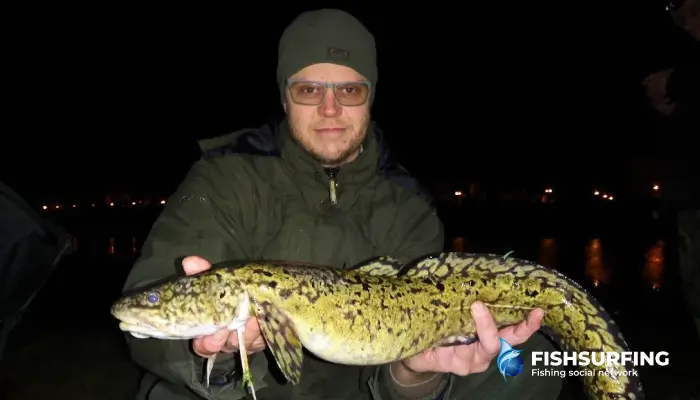
What affects fish activity
Water temperature plays a crucial role, as it affects the fish’s metabolic rate. Simply put, it influences how much energy the fish need and how actively they must feed. In cold water, they conserve energy and feed cautiously; as the water warms, they become more active, move around more, and search for food more aggressively.
Spawning, the amount of natural food, and the length of the day also come into play. In summer, fish often have plenty of food, so they can be selective. In autumn, on the other hand, they instinctively consume more food to build up reserves for winter. And in winter, a period of dormancy sets in, during which they respond only to what requires minimal energy expenditure.
That’s why a fishing calendar isn’t about exact dates. It’s about understanding what changes beneath the surface throughout the year and when each fish has the greatest reason to feed.
Spring (March–May) marks the start of the fishing season
Spring is a time of awakening. The water gradually warms up, the days grow longer, and after their winter slump, the fish begin to feed again. But that doesn’t mean they’ll bite aggressively right away. Activity builds gradually and depends heavily on the specific stage of spring.
- In March, the water is usually still cold, and the fish move cautiously. They tend to stay deeper and respond to smaller, natural lures.
- By April, the situation improves, especially with more stable weather. Activity increases, but a more subtle approach is still needed.
- By May, fishing can be very exciting. The water is a more comfortable temperature, and the fish are feeding more intensely.
The most active fish in spring
Not all fish species are equally active in the spring. Some get going faster, while others need more stable water temperatures. If you want to increase your chances of success, choose your target fish based on current conditions.
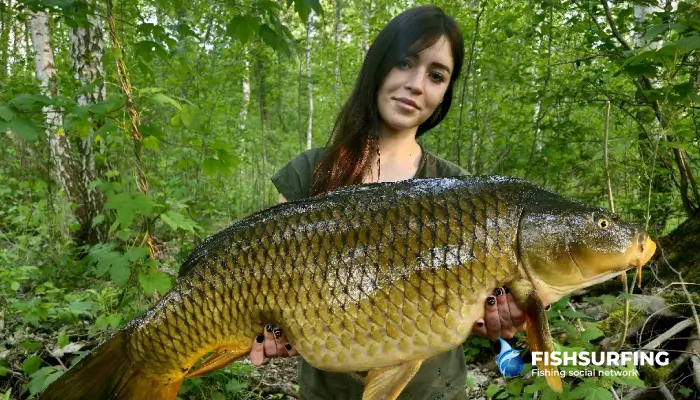
Carp in the spring
They become active as the water warms up and often seek out shallower areas that warm up faster. Smaller boilies, corn, worms, or light pellets work well. Overfeeding doesn’t pay off.
Bream and whitefish in spring
Spring is a very good season for feeder fishing. Bream respond to fine groundbait mixes, worms, and a regular casting rhythm. Activity tends to be stable, especially during mild warming.
Pike in the spring
After spawning, pike tend to be hungry and active. They often linger in shallow waters or near vegetation where whitefish congregate. Smaller to medium-sized lures and slower retrieves work best.
Zander in Spring
Its activity increases with water temperature. In the cooler part of spring, smaller soft plastics and slower retrieves near the bottom work best. As temperatures rise, evening and nighttime activity increases.
How to adjust your tactics in spring
In spring, the following usually work:
- smaller lures
- lighter rigs
- more careful and precise feeding
- fishing in shallower, faster-warming areas
Spring isn’t about aggressive fishing, but about patience and a sensitive approach. Those who adapt their tactics to the water temperature tend to have significantly more success than those who fish as they would in summer.
Summer (June–August) means high activity, but also greater caution
Summer is the season when the water is warm and underwater life is at its peak. Fish are active, move around more, and often strike more aggressively than in spring. At the same time, however, they have plenty of natural food, so they can be selective. Success therefore often depends on proper timing and whether you can adapt to current conditions.
The time of day plays a major role. On hot days, midday is usually slower, while mornings, evenings, and nights can be significantly better. In summer, the oxygen content in the water also drops, especially during prolonged heat waves, and fish seek out spots where they feel more comfortable.
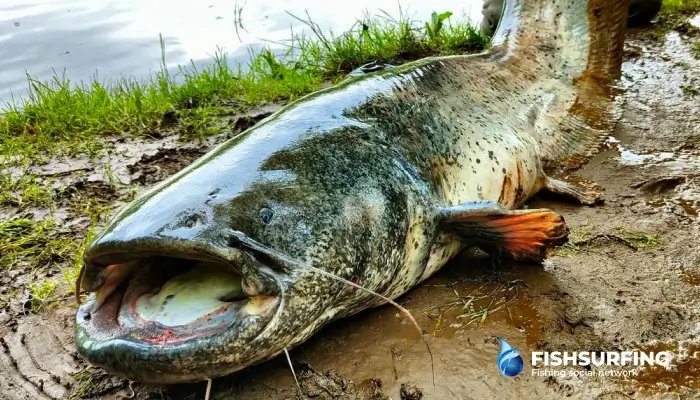
The Most Active Fish in Summer
You can catch almost anything in the summer, but each fish requires a slightly different approach.
Carp in summer
Summer is a very productive season for carp, especially during night fishing or early in the morning. Boilies, pellets, and corn work well, often in combination. In the heat, carp retreat to deeper waters or to obstacles where there is more oxygen, or they may move into shallower waters only at dusk. Feeding should be well-planned and targeted rather than spread out.
Roach and Whitefish in Summer
Activity tends to be steady almost all day, especially if you’ve chosen a good spot, and a feeder works excellently thanks to the regular feeding rhythm. Bream stay where there is plenty of natural food, and with regular casting, a school can be kept in place for a long time.
Zander in summer
In summer, they are most active at dusk and at night. During the day, they tend to stay near the bottom or in deeper areas where the temperature is more stable. The key is to retrieve the lure more slowly and work it near the bottom. Often, a short pause or a change in rhythm makes all the difference.
Pike in summer
During sweltering days, they may be sluggish and tend to respond more in the morning or evening hours. They often stay in the shade of reeds, near sunken trees, or in deeper parts of the water. A deliberate retrieve with pauses tends to be more successful than a fast and monotonous pull of the lure.
Catfish in Summer
Warm water suits them, and summer nights are ideal for catching them. Catfish are mainly active after dark and during calm nights. They respond to scent, vibrations, and larger bites, and when they strike, their bite is forceful and unmistakable.
How to adapt your tactics in summer
In summer, it pays to:
- fish early in the morning or in the evening
- adjust the depth according to water temperature
- not be afraid of larger lures
- respond to weather changes (storms often get the fish moving)
Summer is a season of possibilities. Fish are active, but they don’t tolerate monotony. Those who adjust their pace, depth, or lure according to the situation tend to be more successful than those who rely on a single tactic all day.
Fall (September–November) brings the season of big fish
For many anglers, fall is the best time of year. The water gradually cools, natural food sources dwindle, and fish begin to feed intensively before winter. This isn’t mindless feeding, but targeted feeding. And that’s precisely why larger fish are caught more often.
As the water cools, the fish’s habitat changes as well. They often retreat to deeper areas, edges, and spots where the temperature is more stable.
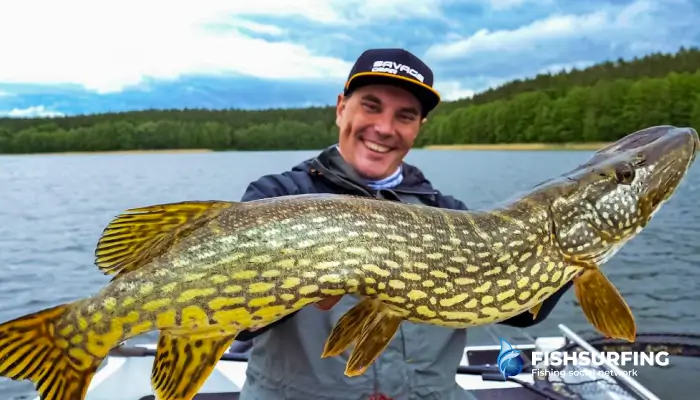
The most active fish in the fall
In the fall, fish activity gradually changes. Some species take advantage of the cooling water, while others slow down. If you know which fish have the best conditions during this period and how they react to temperature changes, you can choose the right target and adapt your tactics accordingly.
Carp in the fall
Fall is an excellent season for larger carp. The fish are trying to build up energy reserves, so they respond to larger and more nutritious baits. Boilies with a meat component, pellets, or combinations with corn work well. They often stand on the edges or near deeper parts of the fishing spot.
Bream and whitefish in the fall
Still active, especially in stable weather. As temperatures drop, they stay deeper and respond to regular feeding. A more subtle presentation still works, but it’s good to monitor the water temperature, as activity slows down as it drops.
Zander in the fall
Fall is its prime season. Activity is usually high; it responds to larger soft plastics and wobblers. It often holds near the edges of an old riverbed or over hard bottom. Cooler water suits it better than the summer heat.
Pike in the Fall
Fall is a very active time for pike. They respond to larger lures and are often willing to attack aggressively. As the water cools, they often stay deeper but still seek out structure such as edges, obstacles, and transitions.
Catfish in the Fall
As the water gradually cools, their activity decreases, but early fall can still be very good. Later, they retreat to deeper spots and fishing becomes more challenging.
Tips for Fall Fishing
In the fall, it pays to:
- not be afraid of larger lures
- focus on deeper areas
- respond to sudden changes in weather
- fish selectively, not indiscriminately
Autumn favors those who seek quality over quantity. There may be fewer bites than in summer, but the chance of catching a really nice fish is often the highest of the entire year.
In winter (December–February), fish slowly but purposefully
Winter is a unique season for anglers. The water is cold, fish conserve energy, and their metabolism is significantly slower. But that doesn’t mean they aren’t biting at all. You just need to expect fewer bites, and every mistake will have a more noticeable impact.
Fish often retreat to deeper and more stable parts of the fishing area. They seek out spots where the current is minimal and where they don’t have to waste energy unnecessarily. Success in winter depends mainly on patience, finesse, and good timing.
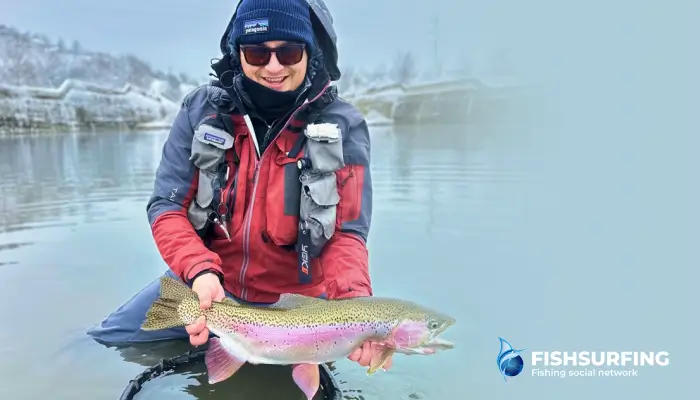
The most active fish in winter
In winter, the selection isn’t as wide as in summer, but some species can be targeted very effectively. The key is to adjust your pace and expectations. There tend to be fewer bites, but precision matters all the more.
Zander in winter
They stay deep, often along edges or in the deepest parts of the fishing spot. They respond to slow retrieves near the bottom and long pauses. Bites tend to be subtle—more of a slight tug or loss of contact than a sharp strike. Smaller soft plastics or a dead fish retrieved very slowly work well.
Pike in winter
In stable weather, they can be surprisingly active, especially if the water temperature doesn’t drop for a long time. They often stay near the bottom or in deeper parts of the water and wait. They respond more to slower, more pronounced lures than to fast, aggressive action.
Bream and whitefish in winter
They can be caught using a light setup and live bait, mainly worms. Activity is limited, but with stable water temperatures, bites can be fairly regular. Precision and moderate feeding are key.
Catfish in winter
In winter, their activity is minimal, and catching them is more the exception than the rule. They stay in deep wintering grounds and react very selectively. If they do bite, it’s more likely during prolonged stable weather than during a sudden cold snap.
How to fish in winter
In winter, the following usually works:
- smaller bait
- minimal baiting
- slow retrieval
- longer pauses
- focus on depth
Winter isn’t about the number of bites, but about the right moment. One well-timed bite can be more valuable than ten in the summer. Those who slow down and adapt to the water’s rhythm have a chance to succeed even during a season that most anglers prefer to skip.
When is the best time to be by the water during the day?
The season is one thing; the daily rhythm is another. Fish change their activity throughout the day based on light, temperature, and the movement of their food. If you understand this, you’ll often catch more in two well-chosen hours than in an entire random day by the water.
As a general rule:
- Morning and evening are the best times for most predators and carp. The light is softer, the water cools or warms more quickly, and the fish are more active.
- Nighttime is particularly good for zander and catfish, but carp are also more active than during the day.
- Midday is usually slower, especially in summer. An exception might be feeder fishing for whitefish or stable autumn weather.
Moreover, the daily rhythm changes with the season. What works in July may not apply in October. Keep an eye on the light, wind, pressure, and water temperature… they often tell you more than a calendar.
A fishing calendar is a tool, not a dogma
A fishing calendar won’t tell you the exact date when the fish will start biting. But it will help you choose the right spot and adapt your tactics to what’s happening beneath the surface. When you combine the season, the time of day, and the behavior of a specific fish, you’ll stop heading to the water at random—and that’s the difference between waiting and targeted fishing.