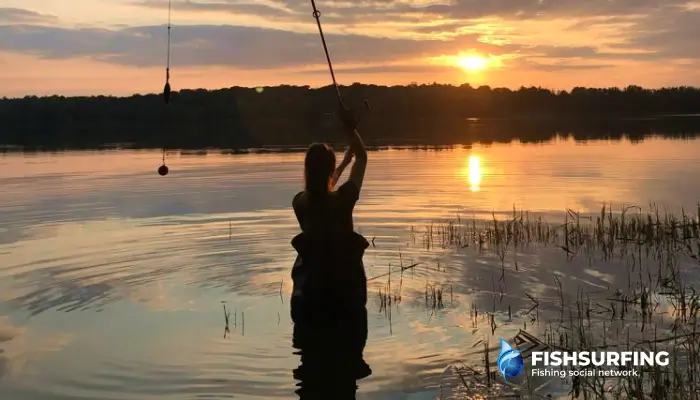


Fishing equipment is a topic that can easily overwhelm beginners and tempt more experienced anglers to endlessly upgrade their gear. The truth, however, is simpler than it may seem. There is no one universal set of equipment that you can use to catch everything, but there is a basic set that you cannot do without when fishing. And it is only to this basic set that you gradually add items according to the style of fishing, the water, and the fish you are targeting.
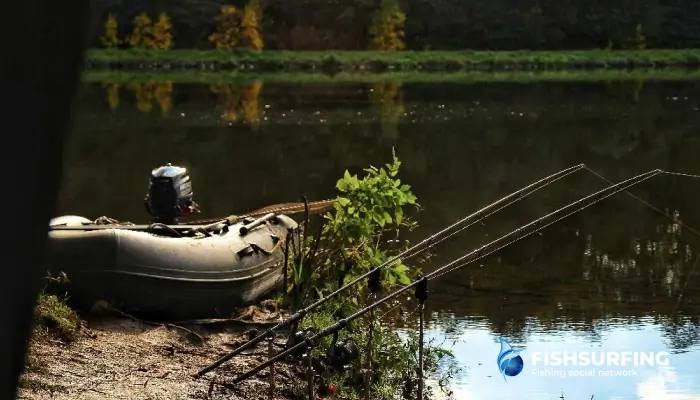
In this article, we will show you what every angler should have, regardless of technique. And, of course, we will also look at the equipment you need for feeder fishing, carp fishing, spinning, and other fishing techniques.
Basic fishing equipment (which you really can't do without)
Whether you fish a few times a year or spend every free weekend by the water, you will always need this minimum.
Fishing rod
The rod is, of course, the basis of everything. You don't need to have several specialized rods right away, but it's good to choose one that suits the water and fish you want to catch.
For universal use, most anglers only need a rod of medium length and weight, which can handle bottom fishing, lighter feeder fishing, and float fishing. We will look at rods for specific techniques a few lines below.
More important than the specifications on paper is how it feels in your hand. The rod should "fit" you, it should not be unnecessarily heavy, and it should give you the greatest possible confidence when landing fish.
Reel
When it comes to reels, there is a simple rule: reliability is more important than design or the number of bearings. A medium size will cover most situations, and a smooth-running brake is an absolute must. It is often the brake that determines whether you land the fish safely or lose it.
Line or cord
Most anglers start with classic fishing line – and that's not a bad thing. Fishing line is more flexible, versatile, and forgives many mistakes. Braided line has its advantages, especially for trolling or specific techniques, but it is not a necessity from the outset.
It is important to choose a reasonable line diameter. A line that is too thick can scare the fish away, especially in clear water or when fishing cautiously. On the other hand, a line that is too thin will bring more bites, but it will easily break when landing larger fish.
As a guide, a simple range applies:
- universal fishing (bottom fishing, feeder fishing, float fishing): approximately 0.22–0.26 mm
- carp fishing and larger fish: more like 0.28–0.35 mm
- fine techniques or clear water: 0.18–0.22 mm, but with a finer brake and patience
If you are unsure, it is better to choose a slightly thinner line and rely on a well-adjusted brake than to fish with a "rope" that will unnecessarily scare the fish away.
Hooks, swivels, and small accessories
These are small items that are easy to overlook, but you can't do without them. A basic supply of hooks in several sizes, a few swivels, carabiners, or stoppers will save you a lot of stress on the water. The simple rule here is: better to have fewer types, but ones that are high-quality and proven.
Landing net and hook remover
A landing net is not just about convenience, but also about the safety of the fish. Even smaller fish are better picked up than dragged along the shore. A hook remover (pean, pliers) should also be a matter of course. It protects you and the fish and significantly speeds up handling.
Bag or backpack
Well-organized equipment means more peaceful fishing. You don't need a large fishing bag right away, but it's good to have a place where you have everything at hand and know where to reach for it. A backpack or smaller bag is often more than enough.
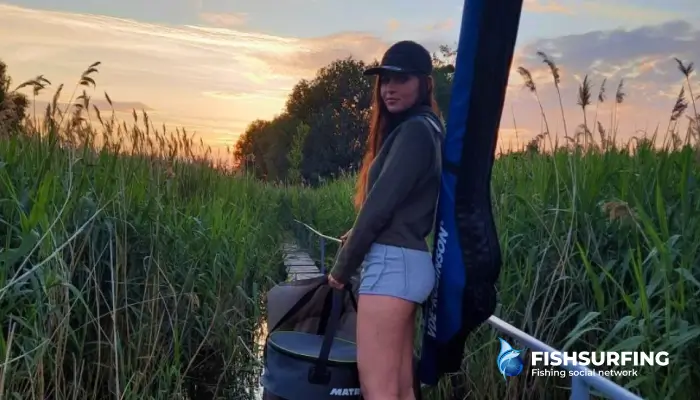
Equipment that makes fishing much more enjoyable
You don't necessarily need these things to catch fish. But once you take them to the water, you'll quickly find that they make fishing easier and more comfortable.
- Forks or stands – Your rod has its place and you don't have to worry about where to put it. Plus, you have your hands free for feeding, reeling in, or coffee without having to watch every movement of the rod.
- Bite alarm – It doesn't matter if you use a regular bell or an electronic alarm, it's always the same thing: knowing that something is happening. And you don't have to stare at the tip the whole time.
- Fish mat – This is especially important for carp and larger fish. It protects the fish during handling and gives you the confidence that you will release it back into the water in good condition.
- Headlamp – An inconspicuous accessory, but one that comes in handy more often than you think. Early morning darkness, evening packing, retying a leader, or looking for things in your bag – a headlamp makes all of this much easier.
- Scissors, tape measure, forceps – Small items that can solve a lot of situations. When it comes to cutting the line, safely removing the hook, or quickly measuring your catch, you'll be glad you have them handy.
In conclusion, there is a simple rule: you don't have to have everything right away. Just notice what you are missing at the water and gradually add to your equipment based on your own experience. This is how you create a set that helps you at the water.
Float fishing equipment
Float fishing is one of the oldest and most versatile methods of fishing. It is ideal for when you want to actively search for fish, react to their behavior, and literally see the bite. It is suitable for rivers, ponds, and reservoirs and works great for white fish, smaller carp, and trout.
What you need for accurate fishing
Lightness and sensitivity are key in float fishing. The rod and rig should be delicate enough that the fish does not feel resistance, but at the same time strong enough to safely land the fish.
What you need for float fishing:
- Rod: telescopic or Bolognese 4–6 m, light to medium action
- Line: 0.12–0.16 mm depending on the size of the fish
- Floats: several types and weights for still water and currents
- Hooks: smaller sizes, thinner wire for natural presentation
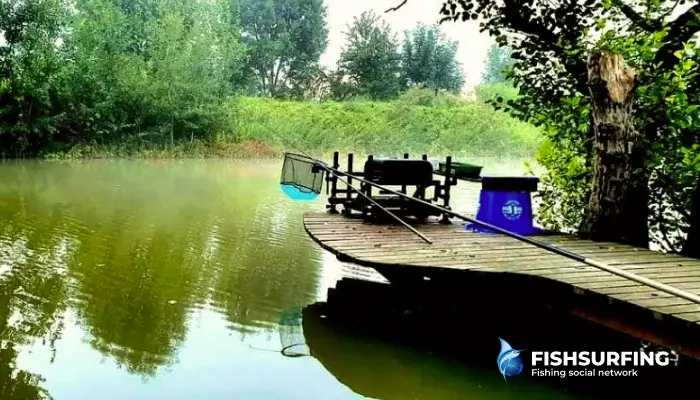
Feeder equipment
Feeder fishing is a technique based on precision and repeatability. It is not about searching for fish throughout the water, but about attracting them to one specific place and keeping them there by feeding them. This is why feeder fishing is very popular with anglers who want systematic fishing and clear control over where the fish are biting.
The basics of feeder fishing
The equipment must be able to cast the feeder, sensitively signal a bite, and withstand the current or larger fish.
What you will need:
- Rod: feeder 3.3–3.6 m, casting weight approx. 60–120 g
- Interchangeable tips: softer for still water, harder for currents
- Line: 0.18–0.22 mm (stronger for beginners)
- Feeders: various weights depending on depth and current
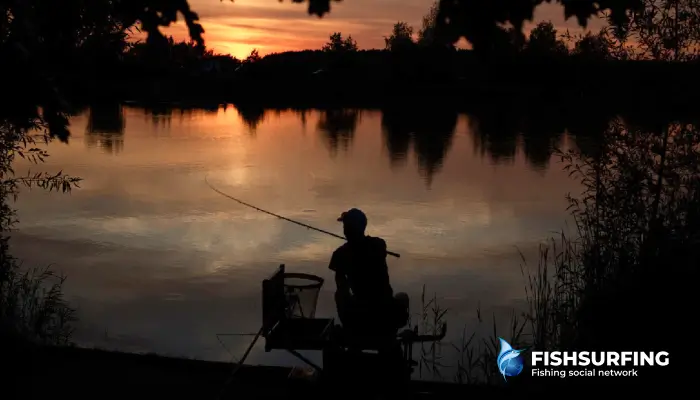
Equipment for carp fishing and bottom fishing
Bottom fishing is about waiting for the right moment. You often spend hours by the water, sometimes even the whole day, and the bite comes without warning. That's why your equipment must be reliable, comfortable, and strong enough.
This technique is most often used for carp fishing, but it can also handle larger bream or grass carp. It's not about delicacy, but about everything working even with a hard bite.
Basic equipment for bottom fishing:
- Rod: 3–3.6 m, carp or stronger universal
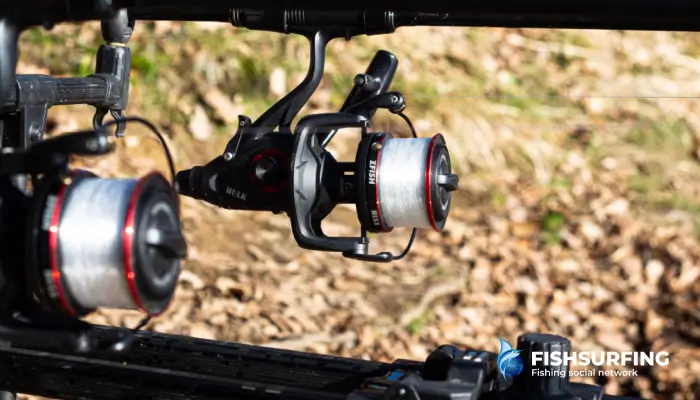
- Reel: smooth drag, larger spool
- Line: 0.25–0.30 mm
- Accessories: rod rest or forks, bite alarm, fish mat
Spinning equipment
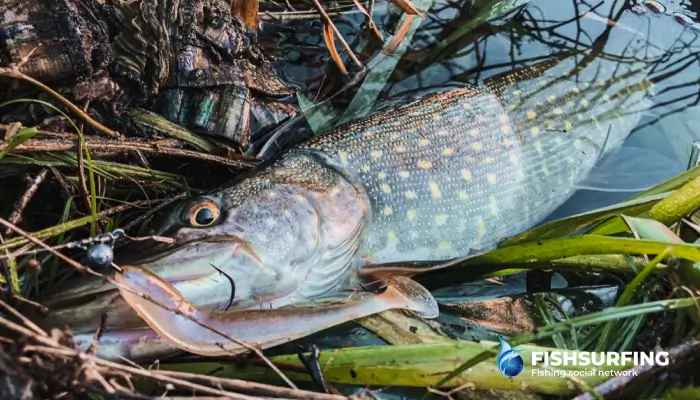
Spinning is the opposite of waiting. You are constantly moving, casting, changing lures, and reacting to the water. Therefore, your equipment must be light, balanced, and practical, otherwise you will be sore after a few hours. It is suitable for perch, zander, and pike and works in both still waters and rivers.
Lightweight equipment for active predator fishing
What you will need:
- Rod: spinning rod 2.1–2.7 m depending on the type of fishing ground
- Line/cord: 0.08–0.12 mm cord or 0.20–0.25 mm line
- Equipment: small bag or backpack, minimum number of lures
- Wire: always necessary for pike
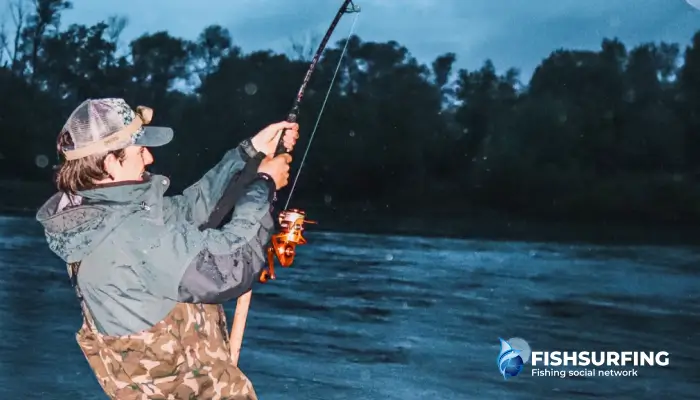
What to take with you when fishing for catfish
Catfish fishing is a specific discipline where improvisation does not pay off. Catfish are strong fish, often strike vigorously, and the fight is usually long. Therefore, your equipment must be able to withstand extreme stress without the risk of failure.
Equipment that must withstand everything
Here, it is not delicacy that matters, but safety and control over the fish. This is the necessary basis for catfish fishing:
- Rod: strong catfish rod or heavy feeder
- Line/cord: very strong (0.50+ or equivalent cord)
- Hooks: solid, strong
- Accessories: gloves, landing net or hook
What you really don't need to buy right away
Many things that are often considered essential in fishing are not actually necessary. Especially in the beginning. Fishing is not about having the most expensive equipment, but about the ability to read the water, the fish, and your own mistakes. And no shopping cart can provide you with that.
Expensive "miracle" gadgets
Products that promise more bites, bigger fish, or success without effort usually solve something you don't even need to solve yet. If you haven't mastered the basics, no modern gadget will do it for you.
Equipment that makes sense – but only over time
Special rods, advanced electronics, or narrowly focused accessories definitely have their place. But only when you know why you actually want them. Otherwise, they'll just sit at home and remind you of a wasted investment.
The feeling that you can't do it without "full equipment"
The most important thing you take with you to the water is not things, but experience. You gain this gradually: from unsuccessful trips, from observation, from the small changes you make. Equipment can help you, but it can never replace your understanding of what is happening on the water.
Quality fishing equipment is a support, not a goal
Fishing equipment can make fishing much easier, but it doesn't catch fish on its own. More important than having everything is being clear about what style of fishing you enjoy, where you fish, and what you expect from your time on the water. You can then adapt your rod, rig, and accessories accordingly.
Start with a sensible foundation that can handle most situations, and add to it gradually based on your own experience. Over time, you will learn what you actually use and what stays at home in the corner. And this is the most natural (and most enjoyable) way to go about fishing.