


Winter may seem like a time when nothing happens on the water. However, more experienced anglers know that the cold months offer their own opportunities. Fish slow down, retreat to deeper parts of the water, and react more cautiously, but that's when you can catch fish that you would never have a chance to catch in the summer. Winter fishing is about finesse, patience, proper bait presentation, and understanding how the behavior of different fish species changes.
How fish behavior changes in winter
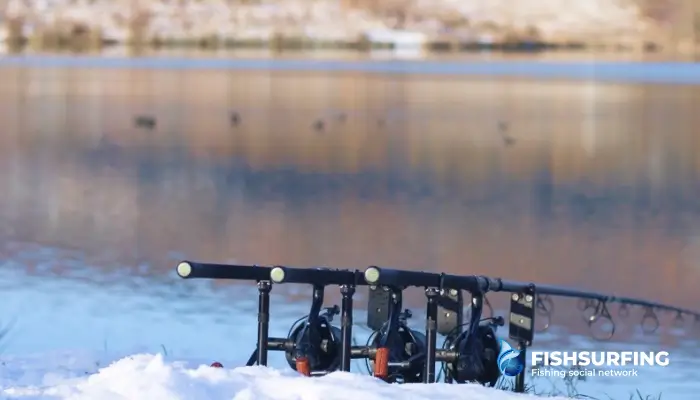
Cold water slows down the metabolism of most fish. They conserve energy, migrate less, and spend most of their time in places with more stable temperatures. However, this does not mean that they do not feed in winter. They just react more cautiously and slowly than in warmer months. Understanding what fish do in winter and why is the key to successful fishing.
Winter behavior of predatory fish
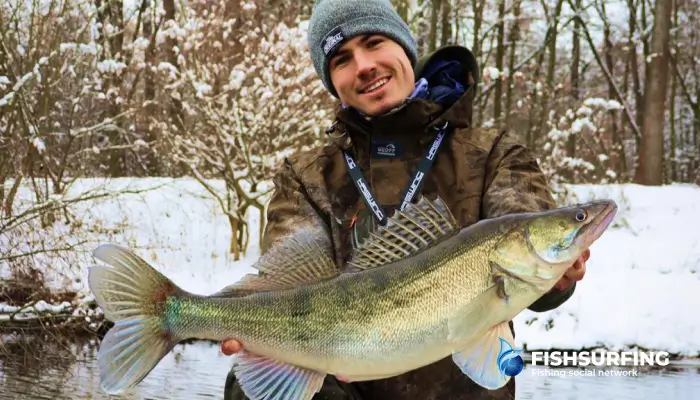
Predatory fish, especially zander and perch, remain active even in the coldest periods. Both species tend to retreat to the bottom, to the edges of banks, to deeper sections of dams or to places where the current is calmer. Their bites are gentler in winter and they respond best to small, inconspicuous lures led slowly and just above the bottom.
Carp and white fish in winter
Carp and white fish feed less frequently in winter, but are very selective. In cold water, they prefer mainly animal lures such as worms, bloodworms, or small pellets. They also retreat to deeper parts of the fishing grounds, where the temperature fluctuates less than near the shore.
In winter, it is necessary to be careful when feeding carp and white fish. Fish only eat small amounts of food, and if you put too much in the water, they will quickly become full or be put off.
How trout behave in winter
The situation is different for trout. Cold, well-oxygenated water suits them very well. They remain active throughout the winter and are most active during the day, especially in clear or slightly sunny weather. Winter fly fishing in clean trout waters therefore often yields beautiful catches.
Feeder in winter: delicacy and precise presentation
Feeder fishing is one of the most reliable techniques in winter. Even though the fish slow down, species such as bream, roach, and barbel continue to feed, but much more cautiously. Feeder fishing allows you to offer them bait discreetly and accurately, which is crucial in cold water. What may surprise you is that feeder fishing sometimes works on smaller carp in winter.
However, winter feeder fishing requires a more delicate approach than in summer. The rig, leader, hook size, and amount of bait must be significantly more subtle. In cold water, fish do not need large amounts of food, and if you overdo it, it will rather discourage them. It is therefore important to present the bait precisely and to ensure that each cast lands in almost the same place.
How to set up a winter feeder correctly
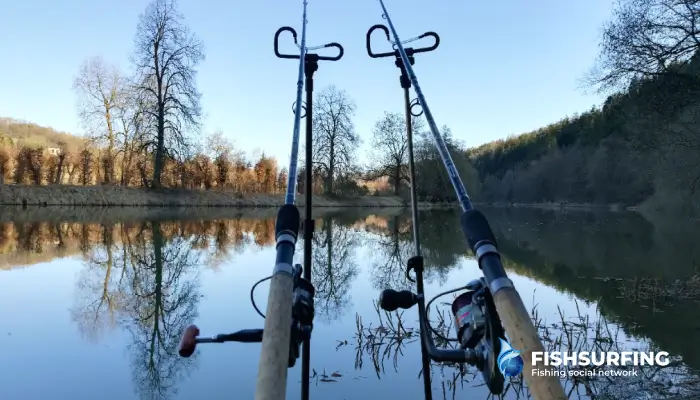
A delicate leader (0.10–0.14 mm) and small hooks (size 14–18) help to present the bait in its most natural form. A small feeder with a minimum amount of feed (usually clay supplemented with a little animal matter) is essential. In winter, you don't want to feed the fish, but attract them.
Accuracy is equally important. Winter fish do not move around the entire area, but stay in small areas. If your cast "flies" two meters to the side, you may not get a bite at all. Regularly hitting one spot creates a small, inconspicuous feeding area that will keep the fish where you need them.
Lures that work best in winter
In winter, there is a simple rule: the smaller and more natural the bite, the better the fish's response. Cold water slows down their metabolism, so large or strongly aromatic bites tend to discourage fish.
The most successful winter lures:
- manure worms – ideal for bream, roach, and smaller carp
- pinkies worms – small, inconspicuous, perfect for cold water
- patentka worms – great for cautious fish that only take "microfood"
- combination of worm + corn kernel – a delicate bite with a little color
- small, quickly disintegrating pellets – create a light scent trail that attracts fish
Spinning in winter: slow rhythm and finding the right depth
Winter trolling is completely different from summer trolling. Predators such as zander and perch remain active even in the cold, but they attack much more cautiously and spend most of their time at the bottom. That is why winter trolling is about patience, gentle guidance, and the ability to find the right depth. The lure needs to be guided slowly, with longer pauses, so that it appears to be an easily accessible bite, not quick prey.
How to guide the lure in winter
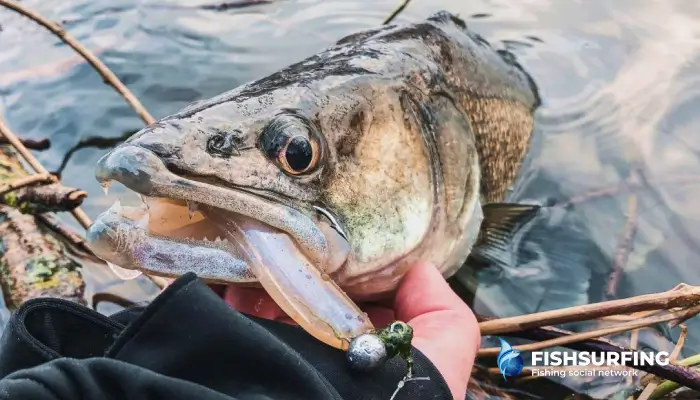
The key to success is to slow down significantly. Let the lure sink to the bottom regularly and work with short, gentle movements of the rod tip. Bites often come when the lure sinks or after a short pause when the rubber slightly lifts off the bottom. It is also important to find the right depth. Most winter bites come just above the bottom, at the edges of banks, near rocky outcrops, or in deeper pools of rivers.
Rig and suitable lures
A sensitive rod and thin line (0.08–0.12 mm) that transmits even very subtle bites are suitable for winter spinning. A fluorocarbon leader is ideal for clear winter water.
The most successful winter lures:
- rubber lures (rippers, twisters 5–10 cm) as a universal base for zander and perch
- dark or natural colors such as pearl, motor oil, brown, and shades of green
- 5–14 g jig heads for proper sinking to the bottom
- smaller wobblers with slow sinking for perch at medium depth
- mini soft plastics for drop shots if fish only respond to a more static presentation
When to go winter trolling
While summer is best in the morning or evening, in winter the most reliable bites come around noon when the water warms up slightly. However, in clear winter water, they can bite at other times if the sky is clear. The most important thing is to retrieve the lure slowly and at the right depth.
Fishing for predators with dead bait: a winter certainty
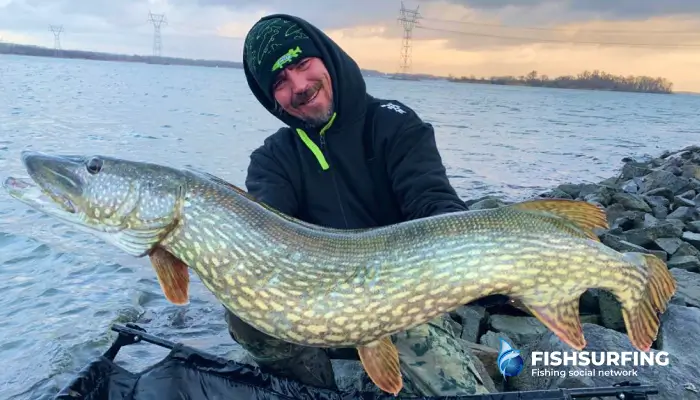
In winter, predators conserve energy, so they often go for prey that does not move or only sways slightly at the bottom. That is why fishing with dead fish is one of the most reliable winter methods. It works for zander and pike, even on days when spinning is almost impossible. Dead fish appear to be an easy, safe bite that requires almost no energy for the predator to catch.
The key is to place the bait just above the bottom or directly on it. This is where predators most often wait for their opportunity in winter. On large reservoirs, deeper bays and the edges of old riverbeds work well, while on rivers, calmer sections with slower currents or eddies are best.
How to offer the fish
Larger bait fish (10–15 cm) are used for pike, while zander respond better to smaller pieces or fillets. Two methods are successful:
- laid down, where the fish lies quietly on the bottom
- float, which allows the fish to sway slightly and appear more natural
In clear winter water, it is also important to choose a more delicate rig. Predators tend to be cautious, and if they feel resistance or a hard rig, they may let go of the bait.
Fly fishing in winter: clear water, active rainbow trout
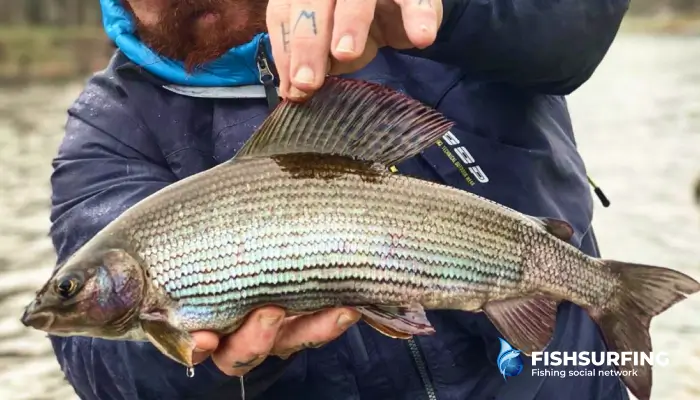
Winter fly fishing has a completely different atmosphere than summer. The water is crystal clear, well oxygenated, and this suits trout perfectly. The fish are more cautious, but they remain active even in the cold months if you offer them small, naturally guided flies.
What flies to use in winter
- small nymphs (size 14–18)
- tungsten heads
- patterns: pheasant tail, hare's ear, black nymph
- micro streamers for calmer sections
In clear winter water, inconspicuousness also plays a role. A thin fluorocarbon leader and careful presentation can determine whether you outwit the rainbow trout or just scare it away. The best activity is usually during the day, when the water warms up a little and the trout start to gather small food.
Carp fishing in winter: less feeding, more precision
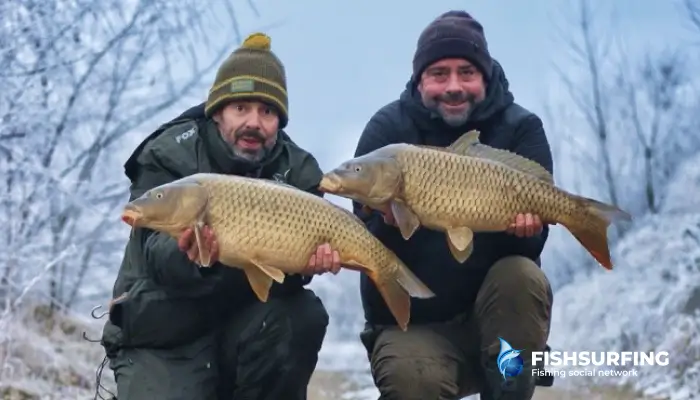
Winter carp fishing is a completely different discipline than summer expeditions with kilograms of boilies in pursuit of actively migrating fish. In cold water, carp slow down significantly, limit their movement, and only feed occasionally. However, if you offer them food at the right time and in the right place, you may get a bite. Winter carp fishing is therefore not about the amount of feed, but about precise presentation and choosing the right place where the carp actually stay.
Where to catch carp in winter
The best spots are deeper areas, transitions between shallows and depths, wintering grounds, and places with minimal disturbances. Carp often stay in small groups and remain in one place for days, so the right choice of location plays a bigger role than the bait itself.
How to catch carp in winter
- Use simple and delicate rigs so that the carp does not feel resistance. A more delicate presentation is essential in winter.
- Shorten the leader and choose a lighter sinker so that the bait moves more naturally.
- Go for smaller lures. Boilies 10–12 mm in spicy or meat flavors are ideal, as carp can smell them well even in cold water.
- Try animal baits, such as worms or a combination of worms and mini corn. In winter, these often work better than sweet options.
- Keep feeding to a minimum. The goal is to attract the carp, not to fill them up.
- Use PVA stockings with small pellets or a fine method mix to create an attractive food signal right at the hook.
When are carp most active in winter?
Bites often come when the water warms up slightly. This is usually around noon or (ideally) when there are several warmer days in a row. Winter carp fishing is about patience, knowledge of depths, and willingness to trust the spot you have chosen. If you get it right, even a single bite can mean a beautiful winter fish in perfect condition.
Ice fishing: fishing in clear winter water
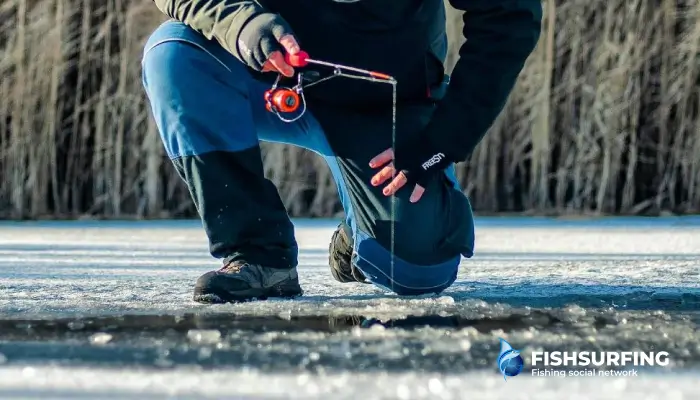
Ice fishing is one of the most popular techniques in winter, especially on private grounds where rainbow trout, grayling, or perch are stocked. Clear ice water allows fish to remain active, but their bites tend to be subtle and require precise presentation of the lure. This makes ice fishing fast, fun, and often very effective. That is, if you know how to approach it.
The most effective techniques
- jigging with tungsten jigs – they sink quickly through the water column and work great even with subtle movements
- Marmyshkas – ideal for trout and perch that are sensitive to every slight movement
- insect larvae imitations – natural-looking lures that fish are familiar with from their natural diet
- maggots and worms – animal bait that attracts even very cautious fish
The key to success is slow, gentle movements and short pauses between each lift of the lure. In clear winter water, fish respond mainly to subtle movements and natural behavior of the lure, which makes ice fishing a technique that will entertain both beginners and experienced anglers.
Practical tips for winter fishing
- Slow movement wins. In cold water, fish do not waste energy, so a fast-moving lure is more likely to deter them. In winter, it is best to move the lure slowly and smoothly so that it appears to be an easily accessible bite.
- The best time is often not in the morning. While in summer activity is highest after sunrise, in winter fish only start moving when the water warms up a little. Therefore, most bites come around noon.
- Choose smaller lures. Cold water slows down the metabolism of fish, and they only accept small portions of food. A smaller lure looks more natural, less conspicuous, and can often break even a very cautious predator or carp.
- Silence is key. In winter, the water is exceptionally clear and sounds travel much further than in summer. Fish react to footsteps, vibrations, and the loud impact of bait, so it pays to be as quiet as possible by the water and cast with care.
- Safety first. Winter fishing can be beautiful, but the cold is relentless. Warm layers of clothing, waterproof gloves, an insulated mat for your feet, and a dry change of clothes are essential to keep you comfortable and safe by the water.
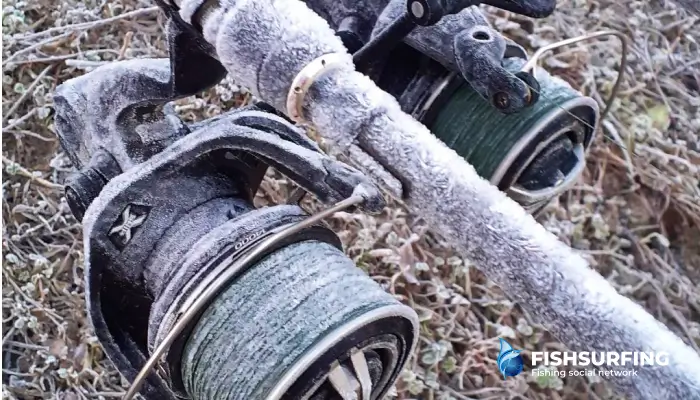
Winter fishing has its own unique pace and charm. When you slow down, adapt your technique to the cold water, and focus on accuracy, you may be rewarded with beautiful and unexpected catches. Whether you choose feeder fishing, spinning, fly fishing, or ice fishing, winter offers true tranquility, clear water, and fishing with a completely different atmosphere than the rest of the year.