


Every angler knows the situation: one day the fish are biting like crazy, the next day the water is dead and there are no bites. Yet you are doing everything the same. The only difference? The weather. Fish react to it much more sensitively than you might think. If you understand it, you can predict when the fish are hungry, when they are at the bottom, and when it's worth taking time off work and heading to the water.
Atmospheric pressure: a key indicator of fish activity
Atmospheric pressure is the most reliable indicator of how fish will behave. It changes according to fronts, wind, and weather. Fish sense these changes thanks to pressure receptors on their bodies and in their internal organs. Simply put, stable or slowly decreasing pressure means activity, while rapidly increasing pressure dampens it.
Why pressure affects fish
When pressure drops, the water "loosens up" and it becomes easier for fish to move and absorb oxygen. They venture out more in search of food, rise to the surface, and respond to lures. Conversely, when pressure rises rapidly, fish slow down. They retreat to the bottom, migrate less, and respond only to subtle lure movements.
What to watch for in the forecast
- A gradual drop in pressure = the ideal time to go out
- Stable pressure = fish bite regularly
- Sharp rise in pressure = fish are cautious and stay near the bottom
- Long-term low pressure = fish may be active but unpredictable
How different fish species react to pressure changes
- Carp love stable pressure and a slight drop. Sudden fluctuations affect them negatively.
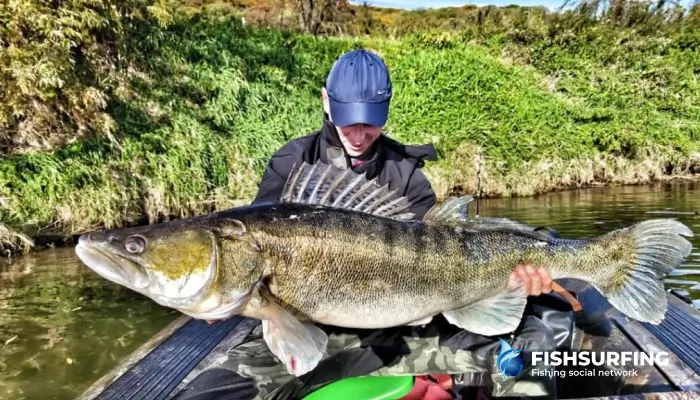
- Zander are active at low and falling pressure. They retreat to the bottom when the pressure rises.
- Perch react very well to falling pressure and overcast skies.
- Pike are most active when the weather changes before a front.
- Trout bite best at stable pressure, when the water is calm and conditions are unchanged. At low pressure, they tend to be even more active and respond reliably, especially in rivers.
Water and air temperature: the hidden engine of fish metabolism
Fish are cold-blooded, so water temperature is one of the most important factors for them. It affects their metabolism, digestion speed, willingness to migrate, and how actively they feed. Once you understand temperature changes and how fish react to them, you will be able to estimate very well when fish will be hungry and when, on the contrary, you should use a more delicate technique.
When the water is warm
In warm water, fish metabolism speeds up. They move more, digest faster, and are more willing to chase food. Therefore, the summer months are typically characterized by active fishing in the water column and at the surface, whether it's carp picking up pellets from the surface, predators chasing minnows, or trout reacting to dry flies. Warm water favors dynamic techniques such as spinning, carp fishing at the surface, or dry fly fishing.
When the water cools
As the water cools, fish begin to behave completely differently. They slow down, migrate less, and move to deeper places where the temperature is more stable. At this time, the key to success is gentleness and slow presentation.
Slowly guiding the lure along the bottom works great for zander and perch, a gentle feeder with a worm or patentka brings bites from white fish, and smaller carp respond to small, selective lures. Fish in cold water do not waste energy, so it is important to aim directly at their natural winter habitats.
Thermal layers in stagnant waters
In larger stagnant waters, such as reservoirs, temperature layers form in summer. Warm water remains near the surface, while the water is cooler and richer in oxygen at depth. Fish then choose the so-called thermocline – the place between the warm and colder layers where they feel most comfortable.
In autumn, when the water cools down, these layers gradually mix and fish can move practically anywhere in the entire column. The same applies to spring.
Winter is the most stable period. The entire body of water is evenly cold, and most fish retreat to deeper areas or places with stable temperatures, from which they do not stray too far during the winter.
Wind: one of the most underestimated factors
For many anglers, wind is just an inconvenient companion by the water, but in fact it is one of the most important signals that fish use to orient themselves. When the surface ripples, oxygen, small food particles, and entire communities of white fish begin to move. The water "wakes up," the fish know that something is happening, and they react immediately.
When wind helps fishing
When the wind blows on one shore, it pushes plankton, insect larvae, and small fish towards it. This natural food stream attracts both carp looking for easy prey and predators taking advantage of the confused shoals of small fish. The "windy" shore is therefore often the place where most bites occur and where it pays to start fishing.
When wind is detrimental to fishing
Of course, not every wind is good for fishing. Too strong gusts can stir up the surface so much that the fish retreat to greater depths where they can find peace. And cold wind is as unpleasant for fish as it is for anglers. It quickly cools the surface of the water, which can significantly slow down fish activity.
Light and cloud cover: the hidden rhythm of every fishing ground
Light conditions determine how fish behave, where they move, and how intensely they will feed. While temperature and pressure affect fish more internally, light primarily influences their instincts. In clear water, fish are more cautious in bright sunlight, but when the sky is overcast, they become bolder and move around more. However, each species reacts slightly differently, and understanding these differences is often crucial to success.
Sunny days
In clear weather, the water is usually well lit, which forces fish to adapt their behavior. White fish, such as roach and bream, go out to feed in the water column because they can see well and are attracted by light reflections. Carp, on the other hand, like to move to shallower waters, where the water warms up faster and where they can find plenty of natural food.
Predators, however, tend to be cautious in these conditions. Although they have a better view in the light, the same is true for their prey, which can spot them. They therefore stay deeper and attack less often.
Tips for fishing in sunny weather
- Look for predators in deep water, around obstacles or falling edges.
- Choose a more subtle presentation. Smaller, natural lures and thinner leaders work best.
- Look for shade. Bridges, fallen trees, reeds, or tributaries are ideal.
- For carp, try the surface. In warm weather, they are more active at the surface and can be easily caught with pellets or bread.
Overcast weather
An overcast sky is almost always a sign that fish activity will increase, especially for predators. Less light contrast means that their prey is less alert and predators can get closer to the surface or shallows without being spotted by the fish.
Tips for fishing under cloudy skies
- Try the shallows. Predators come closer to the shore or the surface.
- Add movement. Wobblers and rubber lures with more active action work great.
- Don't be afraid of larger lures. Fish are bolder and react more aggressively.
- It's a great time for zander. Overcast skies and slow retrieval with occasional bottom bouncing are a guarantee of success.
Morning and evening peaks
Light conditions change throughout the day, and fish are very sensitive to these cycles. Most species have a natural "feeding window" at dawn and dusk, when the light is soft, the surface is calm, and small prey are most active. In summer, these moments are often the strongest.
In winter, however, the situation is different. Cold water slows everything down, including food, so fish activity shifts to around noon, when the water warms up by a few tenths of a degree.
Rain, storms, and fronts: when the weather changes
Fish often react more strongly to changes in the weather than to the temperature itself. While stable conditions give them a sense of security, passing fronts or sudden rainfall can completely change their behavior within a few hours. It is precisely during periods when the weather is changing that anglers can either be extremely successful or, conversely, completely unsuccessful.
Cold front
When a cold front passes, the air pressure rises sharply, a cold wind blows, and clearer but colder weather usually arrives. Fish do not like such situations. The pressure makes it difficult for them to move and feed, and the light forces them to retreat to the deepest and calmest places. At such times, they bite cautiously, irregularly, and overall less. Even experienced fishermen often wait a long time for a single bite.
Warm front
A warm front is the exact opposite. It brings cloudy skies, slightly falling pressure, and stable temperatures, which is an ideal combination for almost all types of fish. The water calms down, the light softens, and the fish relax. They often go out into the column or shallows and respond more willingly to bait.
This period is one of the best times for fishing. Predators hunt more actively, carp move more, and even white fish respond with regular bites.
Fishing in the rain
Light rain is rather beneficial for anglers. The drops quiet the surface and mask the angler's movements, the water begins to oxygenate, and small food particles are set in motion. Especially in stagnant waters, light rain can be a sign of successful fishing.
The opposite situation occurs during heavy, torrential rain. The river quickly becomes cloudy, the current intensifies, and the fish seek calmer places, often close to the bottom or near obstacles on the banks. At such times, it is necessary to fish exactly where the fish are hiding, otherwise there will be very few bites.
In stagnant waters, heavy rain mainly causes a sharp cooling of the upper layer, so the fish sink deeper to a more stable temperature. In such conditions, it makes sense to fish closer to the bottom, more slowly and with a gentler presentation, as the fish are rather passive and wait for conditions to calm down.
Fishing during storms
Storms are a chapter unto themselves. Just before a storm, there may be a short but intense period of fish activity. The pressure drops rapidly, the light is diffuse, and the fish have a natural instinct to feed. This can be a great time for both spinning and feeder fishing.
However, once the storm starts, there is nothing left to do by the water. It is extremely dangerous, especially with carbon rods. In addition, fish activity usually drops sharply at that moment and it often takes several hours (even until the next day) for them to start moving again.
How weather affects different fishing techniques
The weather not only affects where the fish are, but also which technique has the best chance of success on a given day. Each fishing method works with different fish behavior and therefore reacts differently to changes in pressure, light, or wind.
Spinning
Predators are very sensitive to light and pressure. They bite best when the sky is overcast, the pressure is slowly decreasing, and there is a light breeze. That's when they come up from the depths and actively hunt. On the other hand, sunny days with rapid pressure increases often mean weak bites and the need to fish deep and very slowly.
Feeder
Stable weather, calm water, and light rain are ideal for feeder fishing, as they stir up small food particles and encourage fish to be active. Sudden changes in weather, cold winds, or rapidly rising pressure can push fish to the bottom. Bites are then less noticeable and weaker.
Carp fishing
Carp love warm weather and conditions that bring them comfort: light rain, wind blowing towards the shore, and gradually falling pressure. At such times, they move around more and search for food. However, after a cold front passes, they usually retreat completely, their activity is minimal, and it often takes a day or two before they start moving around again.
Fly fishing
Fly fishing is particularly sensitive to light. Cloudy or partly cloudy weather provides fish with a sense of security and enough light to gather food. In trout waters, excellent results are also achieved after a light shower, which calms the surface and washes insects into the current. In contrast, in bright sunlight, trout tend to be cautious and stay closer to the bottom.
Fishing for predators with dead bait
This method works best when the pressure is stable or slightly decreasing and the fish do not want to chase fast-moving prey. It is one of the most reliable techniques in the fall and winter, when predators conserve energy and prefer easily accessible food—such as dead fish lying close to the bottom.
Weather as the most reliable guide
The weather affects fish more than it seems at first glance. It determines their activity, habitat, and willingness to respond to bait. Once you understand pressure, light, wind, and water temperature, you can choose the right technique and the best time to fish. And if you want a better overview of where fish thrive and what conditions prevail in different fishing grounds, check out Fishsurfing. There you will find inspiration, the experiences of other anglers, and places worth visiting.