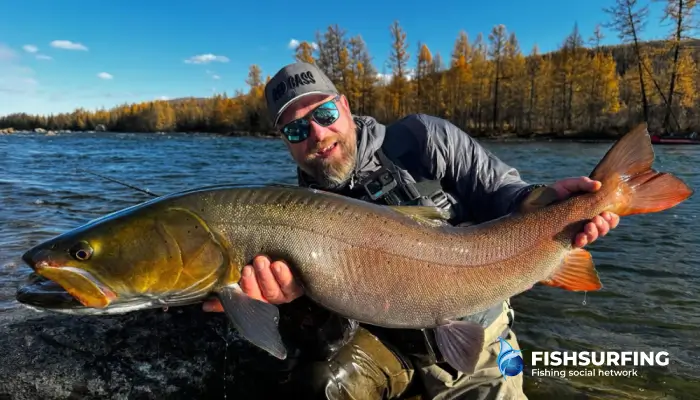


Spinning is fishing in motion, where the angler becomes the hunter. Every cast, every pull of the lure can mean a bite, and that's the magic of it. It combines precision, feeling, and instinct. In the following paragraphs, we'll look at what equipment, lures, and techniques will help you outsmart pike, zander, or perch.
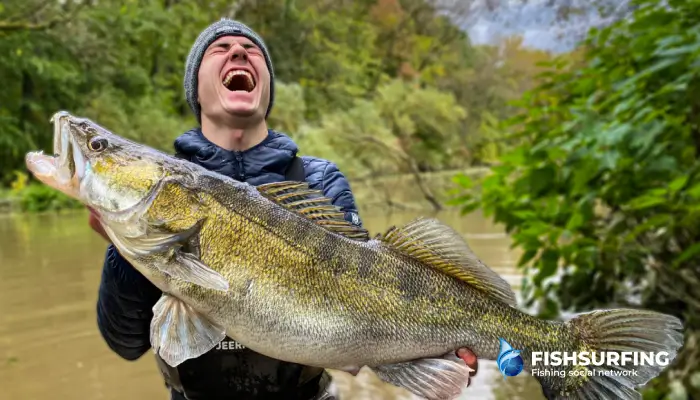
What is spinning and how does it work?
Spinning is a method of fishing for predatory fish in which an artificial lure is actively moved in the water. Its purpose is to imitate natural prey, such as small fish or insects that have fallen on the surface. The angler pulls the lure at different speeds, rhythms, and styles, creating the illusion of life.
Spinning is an active style of fishing
This method of fishing requires constant activity and attention. It is not about waiting, but about searching. Fish are constantly moving. They change depth, direction, and mood depending on light, temperature, or currents. A successful trolling angler must "read" the water, watch where the predators are, and adapt their style of fishing accordingly.
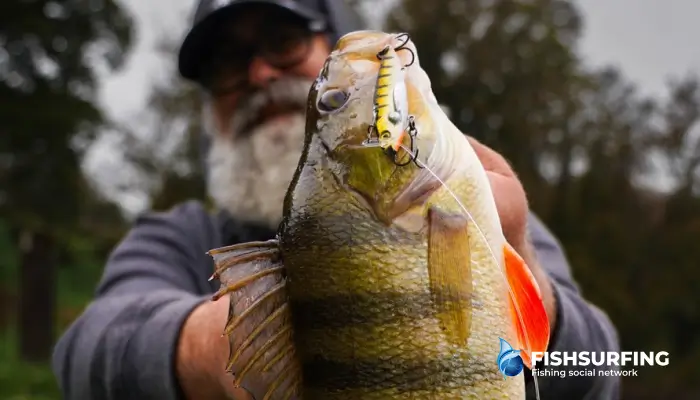
The bite usually comes unexpectedly, most often when pulling in the lure, changing the rhythm, or during a short pause. And it is precisely that moment when the rod bends and the fish fights back that is the reason why so many anglers have fallen in love with trolling.
Basic equipment for spinning
Spinning is great because it can be done with relatively simple equipment. At the same time, however, even small differences can have a significant impact on the result. Everything you have in your hand is directly reflected in the behavior of the lure underwater. Every movement of the rod, every twitch or pause is a signal to the predator that something is there... and that's when the attack comes.
Spinning rod and reel
A spinning rod should be light, sensitive, and well balanced. Its length depends on where you will be fishing:
- Shorter rods (1.8–2.1 m) are suitable for fishing from a boat or in overgrown areas.
- Longer rods (2.4–2.7 m) are useful from the shore, where a longer and more accurate cast is needed.
The action of the rod (i.e., its flexibility) affects how it reacts when you get a bite.
- Fast rods react immediately and are better for hooking, making them ideal for zander or perch.
- Medium action, on the other hand, helps to dampen the sudden lunges of pike.
This requires a reliable reel with smooth running, ideally with a spool capacity of around 150 m of line. A sensitive brake is also important, as it often determines whether you keep the fish or it swims away.
Lines and braids
Spinning is all about sensitivity. You can feel every touch of the bottom and every nibble on the lure in your fingers. That's why most spinning anglers use braided line, which has almost no stretch and transmits even the slightest contact with the fish.
For universal spinning, a line with a diameter of 0.10–0.14 mm is sufficient. A fluorocarbon leader is added to the end. This is a special material that is almost invisible to fish and resistant to abrasion from rocks and branches. If you are targeting pike, be sure to use steel or titanium wire. Otherwise, their teeth will easily cut through the line.
Artificial lures
Artificial bait is the heart of lure fishing. It must look, move, and behave like a real fish or insect. A good lure fisherman therefore changes bait according to the weather, depth, water color, and behavior of the fish.
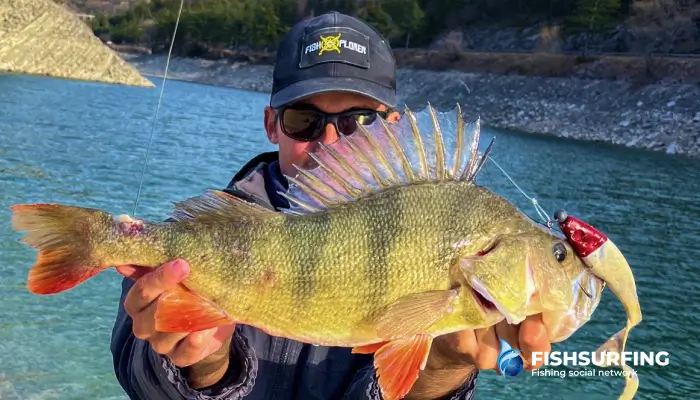
- Spinners and spoons are classics that never disappoint. Spinners are suitable for perch and asp, while spoons are better for pike and trout.
- Wobblers are wooden or plastic lures with a blade that determines the depth of the dive. They are suitable for all types of predators, depending on size and guidance.
- Rubber lures (twisters, rippers, nymphs) are ideal for zander and perch. They work best when retrieved slowly just above the bottom, where they resemble a small, tired fish.
- Poppers and surface lures are used on the surface, where they imitate prey in distress. A strike on a popper, when the fish shoots out of the water, is an unforgettable experience for most anglers.
It is worth having several color variants in your box. In clear water, natural shades work well, while in murky water, you will have more success with bold, contrasting colors.
The most commonly caught species of predators and how to catch them
There are a number of predatory fish in Czech waters, but four of them are true "classics" for trolling. Each has a different nature, different hunting tactics, and requires a slightly different approach. Once you understand them, you will enjoy trolling even more.
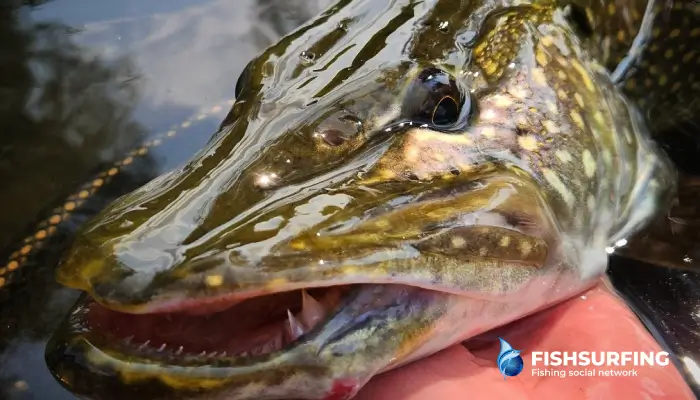
Pike: the queen of Czech waters
The pike is a symbol of strength, ferocity, and elegance. You can find it in ponds, reservoirs, and rivers. It most often stays where it has plenty of hiding places, such as reeds, fallen trees, or in the shade of aquatic vegetation.
Larger wobblers, spoons, and rubber fish that mimic its natural prey are used for fishing. Pike love movement, so irregular guidance and alternating short jerks and pauses work well. The bite usually comes when you least expect it, often right under your feet.
It is important to use steel or titanium wire, as its teeth can easily cut through even thick line. And if you manage to catch a larger specimen, be prepared for a real fight. Pike fight to the last.
Zander: master of deep waters
Zander is the opposite of pike. It is quiet, shy, and cautious. It mainly stays in deeper areas, where it retreats for food, and is most active in the early morning, evening, and at night.
Zander respond well to rubber lures on jig heads, ideally with realistic movement and muted colors (silver, pearl, brown-green). It is important to reel slowly just above the bottom, with occasional bounces or taps on the bottom. Every gentle touch can be a bite, so sensitivity in the rod is essential.
Perch: fun even for beginners
Perch is perhaps the most accessible predator of all. It bites almost all year round and often in places you would not expect. You can catch it in shallow bays, at tributaries, or around rocky shores.
Spinners, small twisters, or micro wobblers are suitable for smaller perch, which you should reel in slowly and evenly. Perch react to movement and color. In clear water, they prefer natural shades, while in murky water, they prefer fluorescent orange or red.
Fishing with a light rod has a special charm, as you can feel every bite and resistance of the fish. Even smaller perch can surprise you with a sudden attack, and when you encounter a school, you are guaranteed to have fun.
Asp: a speedster that doesn't forgive mistakes
Asp is a predator with a reputation as a surface hunter. You can recognize it by its characteristic leap, when it attacks schools of small fish with a sudden strike. It occurs mainly in rivers with currents, but also in dam sections, where it hunts in open water. It is a great target for trollers who like action. Each attack is lightning fast and each fight is full of power.
Fast-moving lures such as wobblers, spoons, or slim rubber fish are used for asp. The key is the speed and accuracy of the cast. The fish reacts to movement, not smell. The bite is usually sharp, often as soon as the lure hits the water.
5 tips for successful spinning
At first glance, spinning seems simple, but the more you learn about it, the more you realize how many small details matter. Every day by the water teaches you something new. Sometimes slow retrieval works, sometimes fast. Sometimes fish react to bright colors, sometimes only to natural movement. Here are a few principles to help you improve your success.
1. Work with the lure, not with chance
Success in trolling does not depend on luck, but on working with the lure. Try changing the rhythm, sometimes pulling it faster, then stopping for a moment. Predators often attack just when the lure "stops," as if it were injured.
2. Watch the weather and light
Predators react to pressure, light, and water temperature. They tend to be cautious after a weather front passes, but more active in stable weather. In the morning and evening, they hunt near the surface, but during the day they retreat deeper. In summer, an overcast day or light wind is ideal, as it ripples the surface and hides your movements.
3. Look for fish, don't wait for them
Spinning is an active form of fishing. Change locations, try different depths and casting angles. Fish move according to the current, temperature, and food supply. If you don't get a bite after ten minutes of spinning, move on.
4. Let the rod do the talking
A good angler relies not only on their eyes, but also on their fingers. Every tap on a rock, every slowdown in the line can mean contact with a fish. Learn to "read" the vibrations transmitted by the line and react instinctively.
5. Respect the water and the fish
Predators are among the most valuable fish in our waters. If you are not fishing for food, try the catch and release method. Carefully unhook the fish and return it to the water. Thanks to this, you may catch it again in the future, only bigger and more experienced.