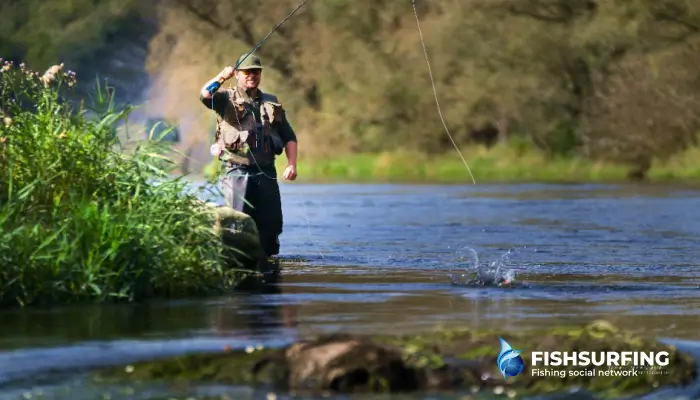


Trout fishing has a special status among anglers. It is not a "sure thing" type of fishing; it is more about attention, calmness, and the ability to read the water. A clear stream, cautious fish, and often only one bite per day... But that makes it all the more satisfying when a trout finally ends up in the landing net. And Czechia offers more trout waters than you might think. In this article, we will look at the best trout fishing grounds in our country, go through the most effective fishing techniques, and add practical tips on what really works for trout.
Trout fishing grounds in Czechia
Trout waters have their own rules. They are usually colder, well-oxygenated rivers with a current and a rocky bottom. The fish here are strong, but also very cautious. And that is what makes trout fishing so attractive.

The Vltava below Lipno: water that will teach you patience
The section of the Vltava below the Lipno Dam is one of the most famous trout fishing areas in the country. The stable flow and cold water create ideal conditions for brown trout, rainbow trout, and grayling. The fish here grow to a good size, but they are definitely not easy to catch.
Fly fishing is the clear choice here all year round. In winter, nymphs at the bottom are successful, while in spring and summer, dry flies and delicate streamers come into play. It is a fishing ground where you will learn a lot, especially in terms of accuracy and timing.
Otava: a Šumava classic for nature lovers
The upper reaches of the Otava near Rejštejn and Sušice are exactly the type of water you imagine when you think of a trout river. Current, boulders, pools, and crystal clear water. The trout here are beautifully colored, but extremely shy. Light fly fishing works best, or light spinning with small spinners or wobblers.
Ohře below Nechranice: strong rainbow trout and deeper water
Below the Nechranice dam, the Ohře is cold and calm, which is ideal for rainbow trout. The fish here grow to larger sizes and the fights are noticeably stronger than on smaller streams.
In addition to fly fishing, trolling is also effective here, especially in deeper pools. Slow lure retrieval and working near the bottom are often decisive for success.
Jizera: a calm river for focused anglers
The Jizera is one of the cleanest rivers in Czechia and is ideal for those seeking peace and quiet. The upper and middle reaches offer beautiful trout sections with rocky bottoms and crystal clear water.
The fish here are very sensitive to movement and shadows, so stealth is essential. Fly fishing dominates, but light trolling can also be successful, especially when the water level is low.
The best techniques for trout fishing
Trout fishing is not about one universal method that works always and everywhere. What works in the spring in a clear river may fail completely in the summer. Success depends on a combination of several factors, mainly the season, flow, water temperature, light, and the specific character of the fishing ground. It is the ability to adapt the technique to the current conditions that makes a trout angler successful.
Fly fishing: the most natural way to catch trout
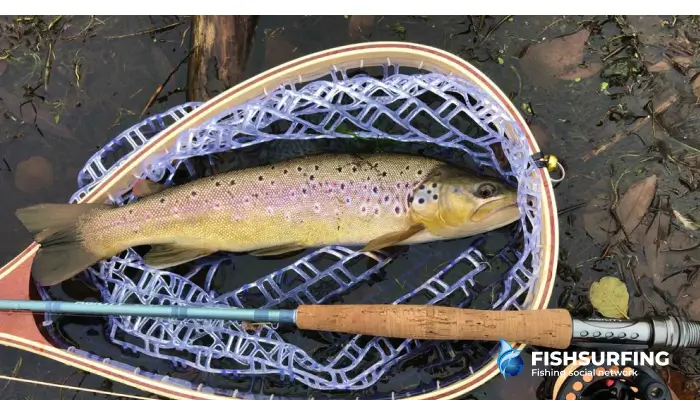
Fly fishing and trout fishing are almost inseparable. It is a technique that allows you to offer the fish exactly what it is naturally feeding on at that moment. This makes fly fishing one of the most effective, but also one of the most demanding, methods of fishing.
In cold water, typically in spring, autumn, and winter, trout feed mainly at the bottom. Therefore, nymphs guided just above the rocky bottom, often with minimal movement, work best here. As soon as the water begins to warm up and insects become more active, it is time for dry flies and evening fishing, when trout rise to the surface.
Success in fly fishing depends not only on the right fly, but mainly on the accuracy of the cast, a delicate leader, and the ability to read the water. Recognizing pools, current edges, or calmer pockets where trout wait for food is often more important than the choice of pattern itself.
Spinning: an active style for more predatory trout
Spinning is the ideal choice where the water is deeper, wider, or faster. It can be very effective on larger streams and below dams, as trout often react instinctively rather than selectively in these areas.
Small spinners, wobblers, or rubber lures can provoke even fish that would otherwise ignore food. It is important not to succumb to the impression that trolling must be fast. On the contrary, slow retrieval, adjusting to depth, and working with the current are usually the best way to get a bite. Trout often react to lures that move just above the bottom or float naturally with the current.
Fishing with natural bait: simple but effective
Where fishing regulations allow, fishing with natural bait remains a very effective method. Worms, maggots, or other small animal bait correspond to the natural diet of trout and work reliably, especially when fish are less active.
This style is often the choice of beginners, but even more experienced anglers should not underestimate it. Subtlety is absolutely essential here. A light float, thin line, and natural presentation determine whether the trout will take the bait or retreat back into the current. The more subtly and naturally you present it, the better your chances of getting a bite.
When to choose which technique for trout fishing
|
The situation at the water |
The most suitable technique |
Why this technique |
|---|---|---|
|
Clear water, stable flow |
Fly fishing |
Trout stand in the current and collect food carried by the water |
|
Cold water, fish at the bottom |
Fly (nymph) / natural bait |
Trout conserve energy and feed close to the bottom |
|
Higher flow, slightly cloudy water |
Spinning |
Trout react instinctively to the movement of the bait |
|
Overcast weather |
Spinning / fly fishing |
Trout are less cautious when there is less light |
|
Summer evening, feeding on the surface |
Fly (dry) |
Trout actively collect insects from the surface |
|
Unstable weather, low activity |
Natural bait |
Natural food without the need to chase |
|
Frequently visited fishing grounds |
Fly / delicate natural bait |
Discreet presentation is key |
Practical tips for trout fishing for beginners
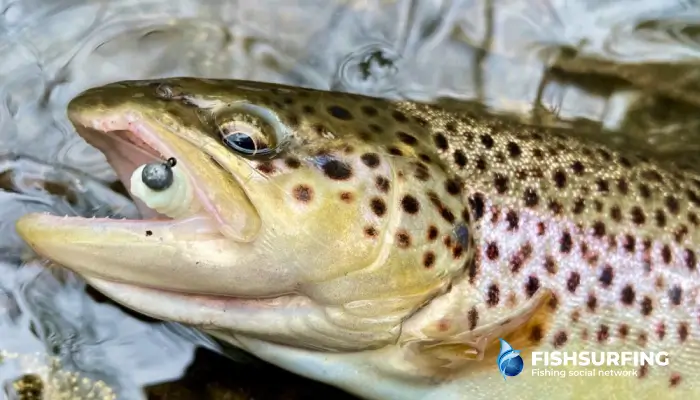
Trout fishing can seem complicated at first. Clear water, cautious fish, often minimal bites... The good news is that a few basic principles will save you a lot of unnecessary mistakes and shorten your path to your first success.
Start with a simple technique
There is no need to master all fishing styles right away. If you are new to trout fishing, choose one technique and stick to it (on smaller rivers, fly fishing with a nymph or light spinning with a small spinner is ideal). You will learn to read the water and react to the current, and soon you will easily recognize where trout are most often found.
Read the water before you cast
Before you cast your rod, take a moment to look around. The occurrence of trout is not random, and often a few accurate casts in the right place are enough instead of constantly casting all around. Look for:
- calmer spots behind rocks
- current edges
- deeper pools
- transitions between fast and slow water
Be inconspicuous
Trout see and sense movement very well. Walk quietly, avoid stepping into the water unnecessarily, and watch your shadow. The less the fish knows about you, the better your chances of a bite. This is especially true in clear water and frequently visited areas.
Subtlety is more important than strength
Beginners tend to use stronger lines and larger lures. With trout, however, the opposite is often true. A thinner leader, smaller hook, and more natural lure will result in significantly more bites. What's more, when you do get a bite, it will usually be a fish that is worth catching.
Adapt to the season
In spring and fall, trout often stay near the bottom and bite cautiously. In summer, they move to cooler and deeper places and are mainly active in the morning and evening. In winter, it pays to fish slowly and during the day. If you respect the annual rhythm of the river, it will pay off.
Don't expect a bite every five minutes
Trout fishing is not about quantity. Sometimes you'll get one bite in the whole morning, sometimes not even that – and that's perfectly fine. Take it as part of the game. Every unsuccessful day will teach you more than ten quick catches.
Why people return to trout fishing
Trout fishing is not about the quantity of catches, but about the experience. It's about slowing down, thinking, and respecting the water and the fish. Every bite is a small victory, and that's what makes trout fishing so addictive. Whether you head to the famous Vltava, the quiet Jizera, or the mountainous Otava, trout waters will teach you to fish differently. More calmly, more attentively, and with greater respect for nature.