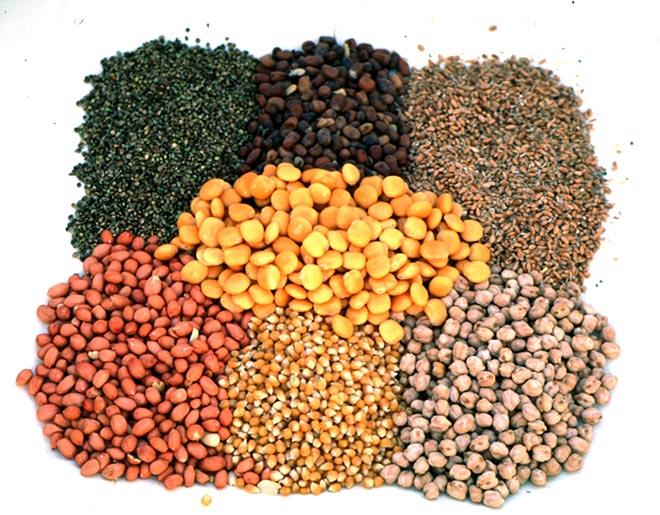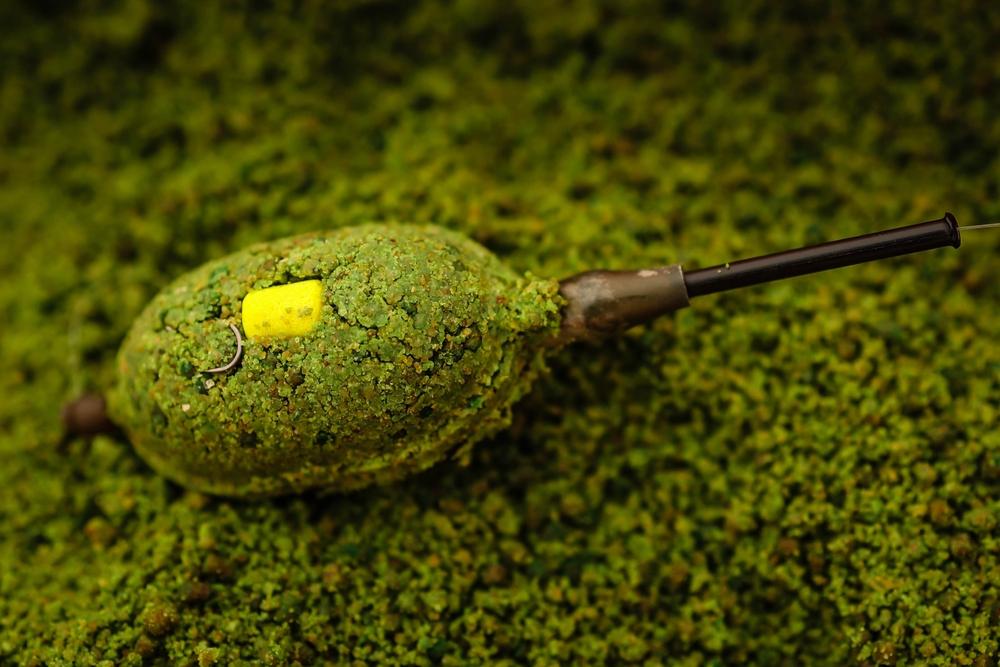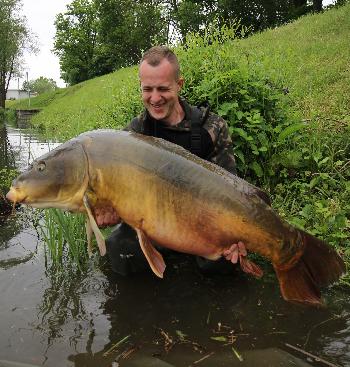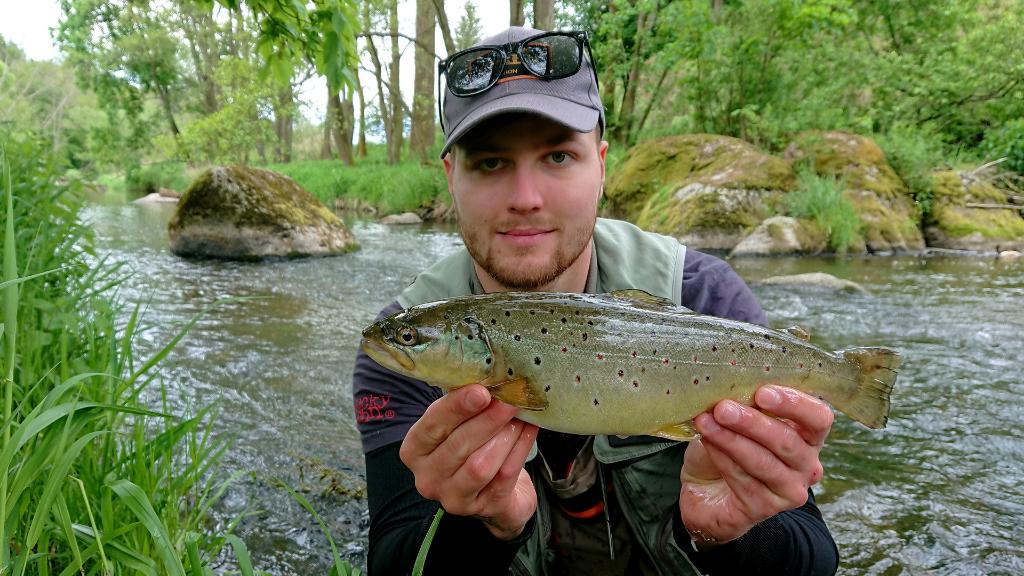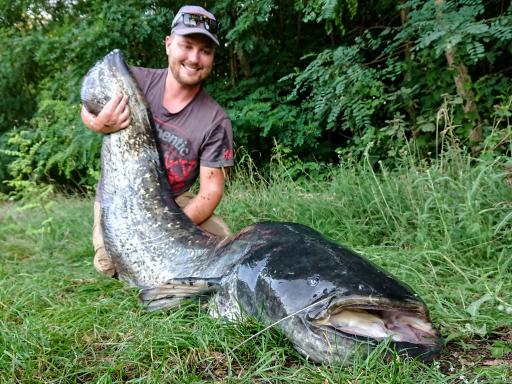



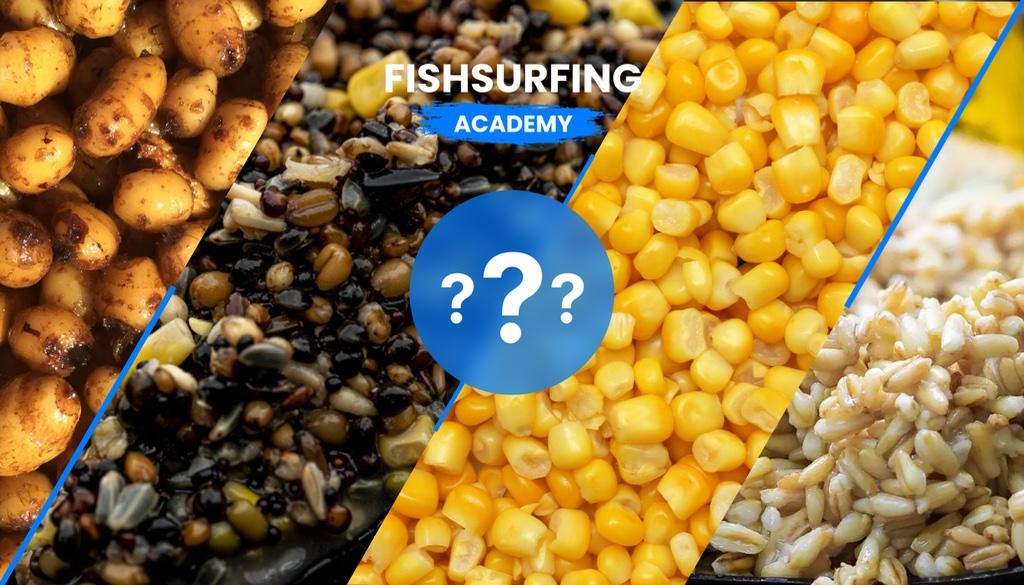


Grains have held a leading place among baits and groundbait ingredients for years - especially for coarse fish. Walk along the bank of any fishery and you'll spot them in anglers' buckets: sweetcorn, both boiled and tinned, peas, wheat, hemp and tigernuts. The larger grains can be used both as a groundbait ingredient and as a hookbait, unlike the smallest ones, which work as groundbaits usually.
Sweetcorn
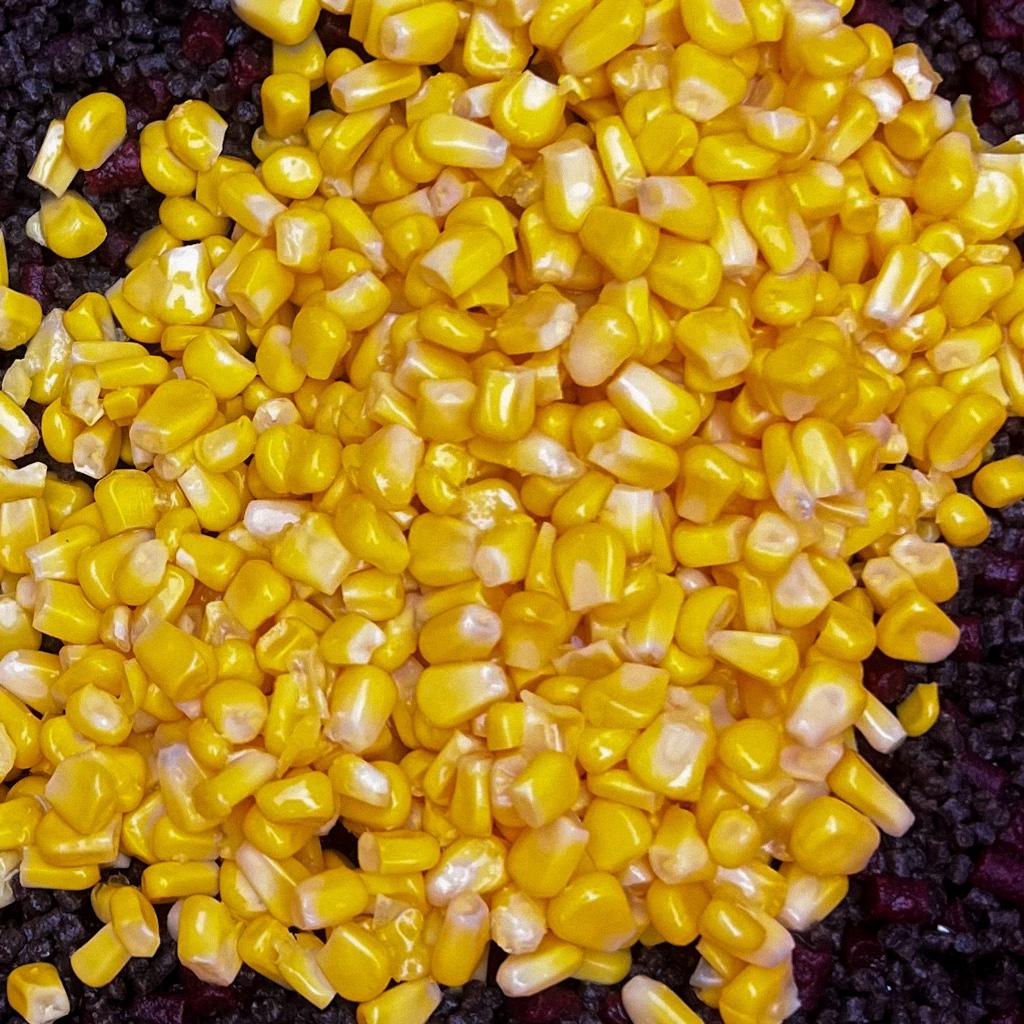
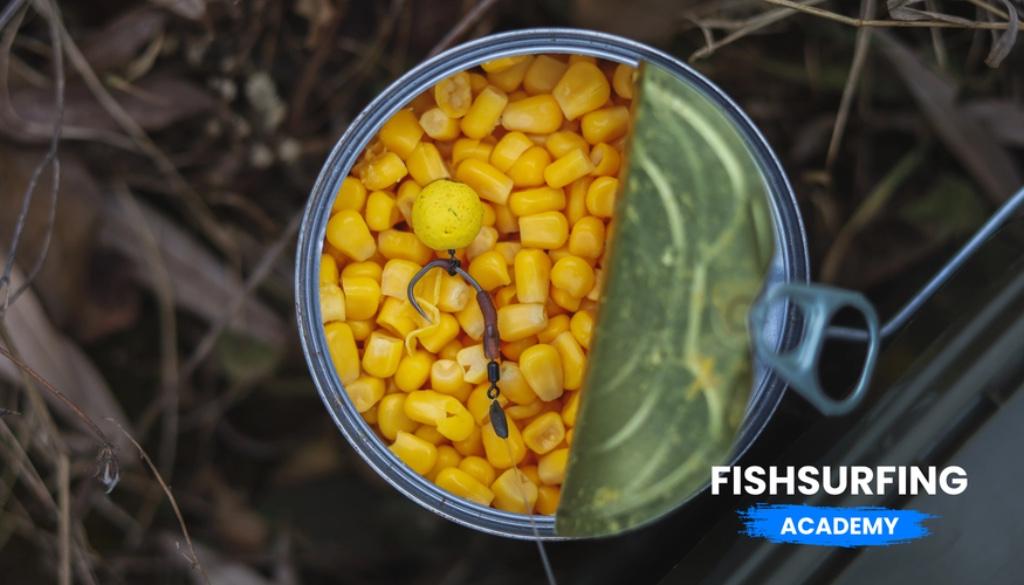
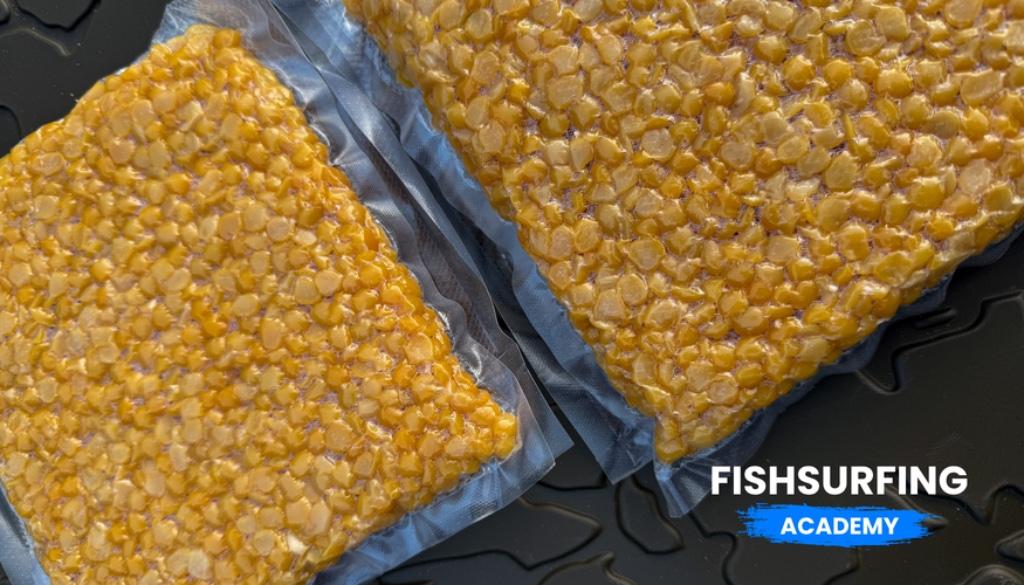
Sweetcorn is one of the most popular particle, since it needs no preparation beyond opening the tin. Its bright yellow colour and sweet taste make it instantly attractive to almost every coarse species, and it is large enough to thread straight onto a hook.
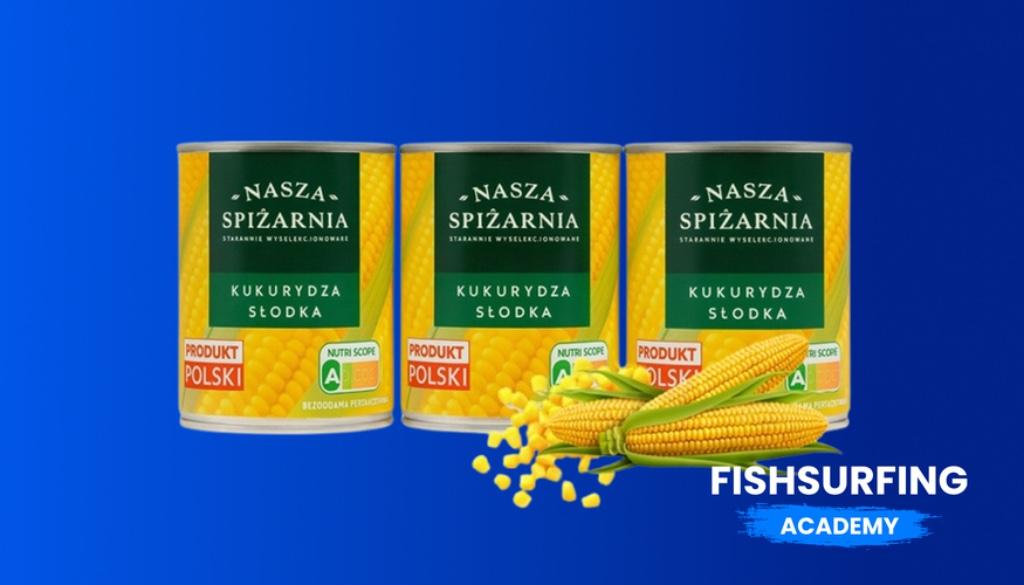
A single grain works well for roach, rudd, and bream. Two or three grains stacked together make a bigger, more visible bait that carp and tench will pick out from the bottom. Loose feeding a handful of grains around your float is usually all the encouragement fish need to start searching the swim.
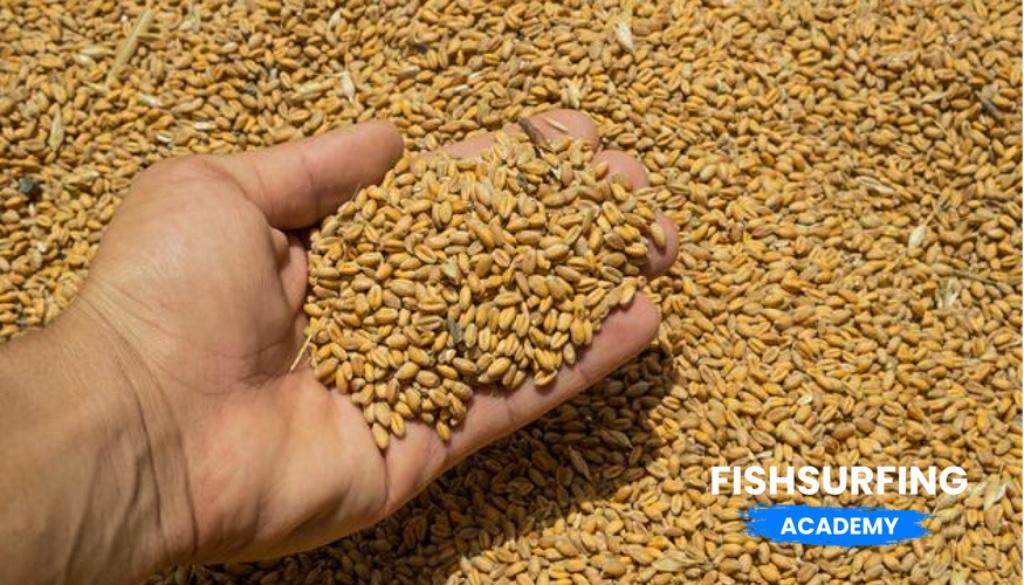
Wheat
Wheat is a small, hard grain that swells and softens with cooking to give a chewy bait favoured by roach, rudd, and bream. It is rarely used alone but works very well mixed into a particle feed, adding bulk and a different texture to keep fish grubbing around the bottom for longer.
Wheat must be soaked and boiled thoroughly, since an underprepared grain is tough and hard for fish to break down. Once ready, a few grains can be hair-rigged for a natural, unassuming hookbait, though most anglers use wheat primarily as feed, scattered in small amounts alongside a more visible hookbait such as corn.
Hemp seed
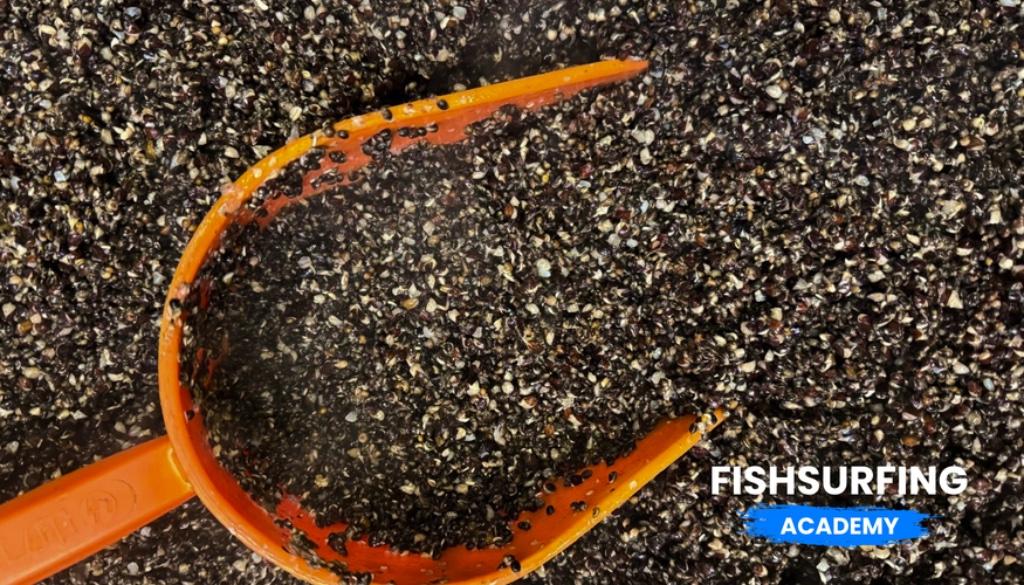
Hemp is the particle most carpanglers use. When cooked until the shells just split, it releases a cloud of oily attraction and scatters a scent trail that pulls fish into your swim and holds them there. Hemp is rarely used as the hookbait itself, since the individual seeds are very tiny and fiddly to hook, but it earns its place as a superb feed particle, drawing in roach, bream, tench and carp alike.
A few handfuls introduced at the start of a session, followed by small top-ups every ten or fifteen minutes, is usually enough to keep fish rooting around your swim without overfeeding them. Hemp is almost always fed alongside a larger particle or a maggot on the hook, since fish become preoccupied searching through the seeds for something a little more substantial.
Peas
Peas are the common choices - sit a step up in size from wheat and are favoured by anglers targeting bigger fish such as tench, bream, and carp. They need thorough soaking and cooking, since an undercooked pea is hard for fish to digest and can cause problems if fed in quantity. Properly prepared, they soften enough to be pierced easily but still hold their shape on the hook.
One or two peas make a substantial hookbait, best presented on a hair rig so the point of the hook stays clear and sharp. As feed, a modest amount goes a long way - peas are filling, so err on the side of underfeeding rather than loading the swim.
Tigernuts
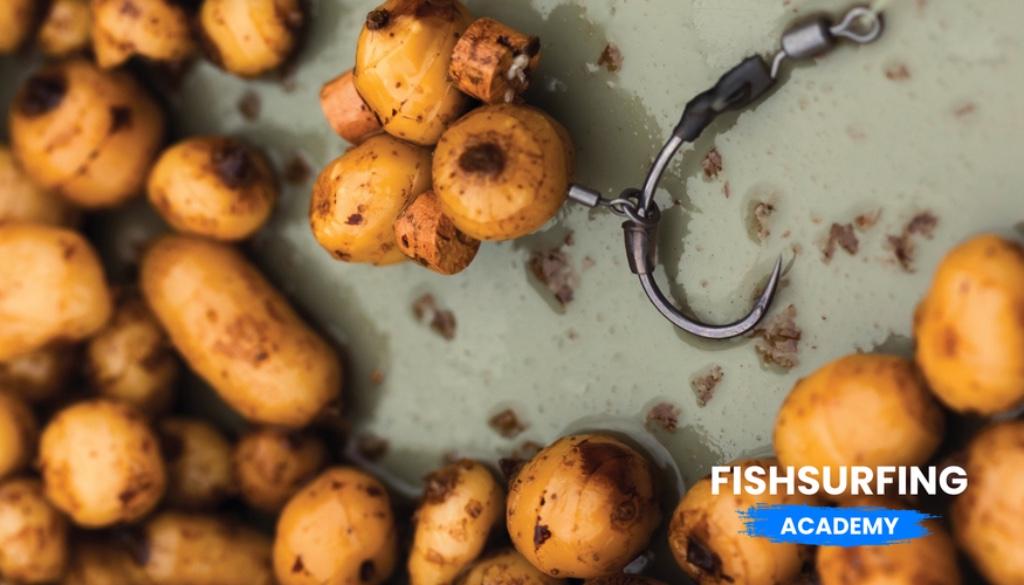
Tigernuts are small, naturally sweet particles that carp, in particular, find hard to resist. They are one of the most challenging particles to prepare properly, but also one of the most rewarding once you get it right.
Whole tigernuts need to be soaked for at least twenty-four hours, followed by a slow boil of one hour or longer, until a nut can be squeezed between your finger and thumb with only slight resistance. They should never be soft and mushy like pulses.
Because tigernuts remain hard even when fully prepared, they are almost always presented on a hair rig rather than hooked directly. This also means they can be left in the water during long, static sessions without the bait degrading. Introducing a handful as free offerings alongside two or three tigernuts on the hair rig is a proven approach for targeting carp and larger tench.
Preparing particles safely
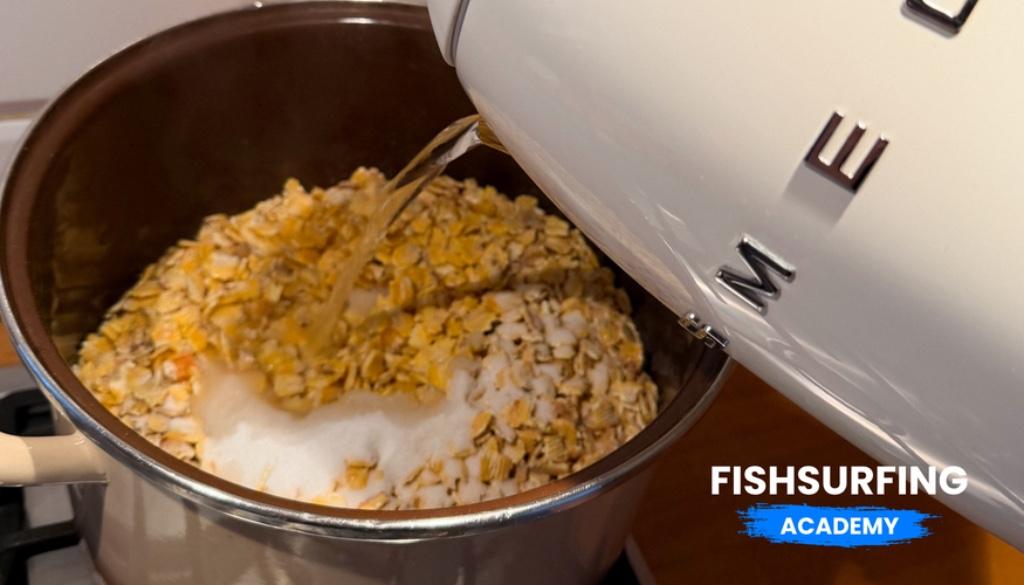
With the exception of tinned sweetcorn, every particle mentioned in this article requires proper preparation before use, and this step should never be rushed. Dry seeds and pulses should first be soaked in cold water for at least 12 hours, then boiled until soft, and finally left to cool completely in their own cooking liquid. This softens the outer shell, releases the bait's natural sugars, and - most importantly - reduces the risk of the particles expanding inside a fish after being eaten.
You can also add salt during the boiling process. Hemp is typically ready when the white shoot just begins to emerge through the split shell, usually after 20-30 minutes of boiling following the soaking period. Wheat and peas generally require 45–60 minutes of gentle simmering, while tigernuts need the longest preparation of all—an overnight soak followed by up to 90 minutes of boiling.
Once prepared, particles can be stored in a sealed container in the refrigerator for several days or frozen in bait-sized portions for future sessions. To make them even more attractive, you can also add liquid flavours, sweeteners, or other bait additives after boiling.
Feeding particles
How you introduce particles to the fishery is just as important as the particles themselves. For close-range fishing, a bait dropper or simply feeding small amounts by hand provides excellent accuracy with minimal disturbance. At longer range, a catapult or a Spomb allows you to introduce particles precisely without the need to cast a heavier rig.
Particles can also be mixed into groundbait, creating an attractive feed that encourages fish to stay in the area for longer while searching for individual food items. This is a particularly effective approach for feeder and float fishing.
PVA bags and mesh are especially useful when fishing with particles. A small PVA bag filled with hemp, wheat, sweetcorn, or chopped tigernuts can be attached to the rig and cast alongside the hookbait. Once the PVA dissolves, it leaves a compact patch of feed around the hook, concentrating fish activity exactly where your bait is presented. This approach is particularly effective when fishing at range, where loose-fed particles can easily become too widely scattered.
Summary
Particle fishing does not need to be complicated. For most beginners, the following combination will cover a wide range of situations:
- Feed particles: hemp seed and wheat, mixed together and fed little and often to draw fish into the swim
- Hookbait: two to three grains of sweetcorn for general species, or a hair-rigged pea or tigernut for tench and carp
- Preparation: soak overnight, simmer until soft (longer for tigernuts), cool fully before use
- Delivery: hand-fed or catapulted for loose feed, PVA bag for tight, accurate presentation around the hookbait
Start with hemp and corn, since both are cheap, simple to prepare, and effective across a wide range of species, then bring in wheat, peas, and tigernuts as you target larger fish or want to vary the feed. Like the rest of your tackle, particle fishing rewards patience and small adjustments - and there are few better feelings than watching a swim come alive with feeding fish.