



How to choose your first fishing rod?
Every year, thousands of people pick up a fishing rod for the first time - and the experience that follows will largely be shaped by one decision made before they ever reach the water: which rod to choose. Get it right, and fishing feels intuitive. Get it wrong, and tangles, missed bites, and frustration follow. This guide cuts through the noise and gives you a clear, expert-backed answer.
Float fishing is the best place to start
Of all the fishing methods available to a newcomer, float fishing stands out as the most logical starting point — and not just because it’s simple. Float fishing teaches you to read the water, develop timing, and understand fish behavior in a way that directly transfers to every other technique you will eventually learn. It is, in every sense, the foundation of the sport.
The method is also remarkably versatile. On a single float rod, you can target roach, bleak, crucian carp, bream, and perch with equal confidence. With experience, the same approach will account for carp, pike, and even catfish. Few other techniques offer that breadth, particularly at the beginner level.
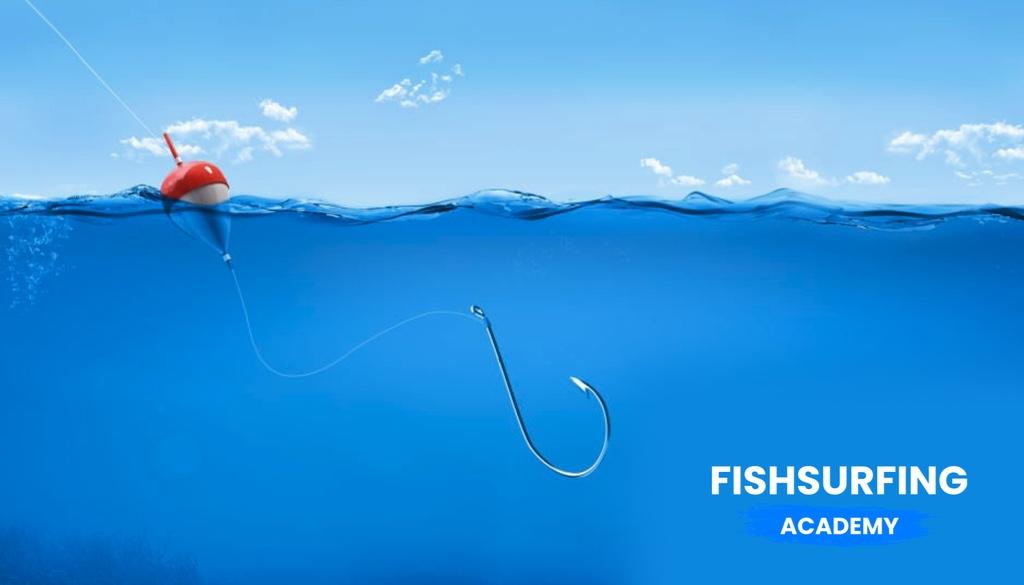
At the beginning, it is worth focusing on smaller fish species. There are several reasons for this.
Smaller fish are far more abundant in most waters, which translates directly into more bites, more action, and more opportunities to practise. An afternoon targeting roach or bream will teach you more about timing a strike than a week of waiting for a cautious carp. Early success builds confidence - and confidence is what keeps beginners coming back.
Playing and landing larger fish is a skill in itself. It demands patience, rod control, and an understanding of line tension that simply cannot be rushed. Beginners who target big fish too early often lose them - or worse, exhaust them beyond recovery. Working up through smaller species is not a compromise; it is the correct progression.
There is a practical advantage too: the tackle required for smaller species is light, undemanding, and forgiving. A delicate float rig for roach or bream will not punish a clumsy cast or an imperfect hook set. It gives you the room to make mistakes - and to learn from them - without losing fish on every session.
Telescopic or multi-piece rod?
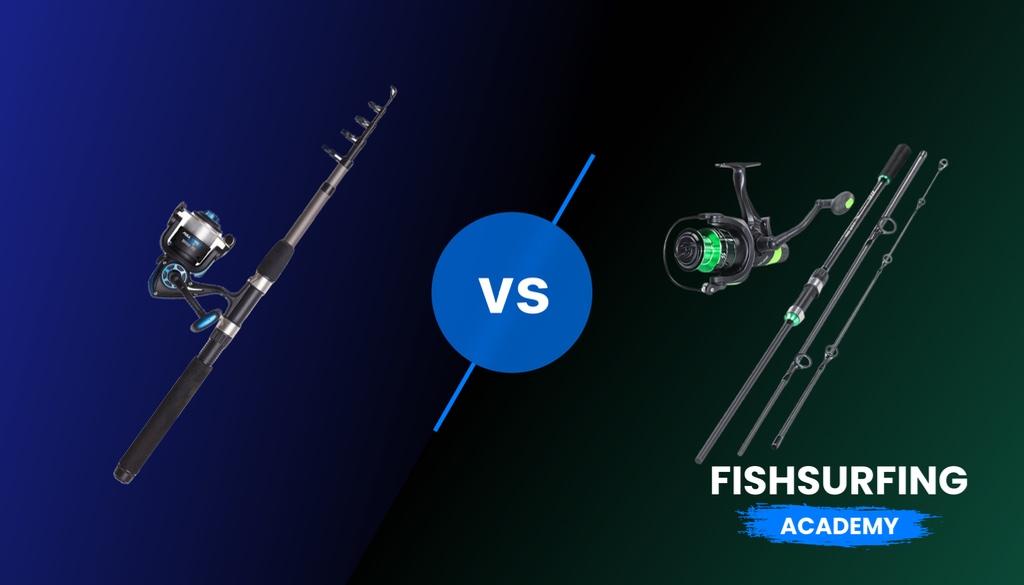
Once you’ve settled on float fishing, the next decision is one of construction. Both telescopic and multi-piece rods are genuinely capable tools - the right choice depends on how and where you fish.
Telescopic Rods
The defining advantage of a telescopic rod is portability. Collapsed to under a meter, it fits in a rucksack, slides into a car boot, and travels on public transport without drawing attention. For anglers who fish opportunistically - stopping at a lake on the way somewhere, or fishing from a holiday destination - this convenience is genuinely valuable.
Within the telescopic category, two types are worth knowing: Tele Float and Tele Match. Tele Float rods are built for general use - robust, forgiving, and well suited to everyday float fishing. Tele Match rods are more refined instruments, optimized for distance and presentation accuracy. For most beginners, a Tele Float is the appropriate starting point.
One caveat: telescopic rods require more care than their multi-piece counterparts. Sand, grit, and debris entering the collapsed sections can abrade the blank from the inside - a slow but cumulative form of damage that weakens the rod and shortens its working life. Never rest a telescopic rod directly on the ground. Keep it in a rod bag when not in use.
Multi-piece rods
Multi-piece rods - typically assembled from three sections - offer a noticeably smoother blank action, better overall durability, and a more responsive feel when playing fish. The joint sections, when properly aligned, do not compromise the rod’s performance in any meaningful way. Setting up takes a few minutes longer than extending a telescopic model, but after two or three sessions it becomes entirely automatic.
For anglers who are not constrained by transport or storage, a multi-piece rod is the stronger long-term investment. The improved action and blank integrity will be noticeable as your technique develops - and you will not outgrow it as quickly as a basic telescopic model.
The Most Important Fishing Rod Parameters
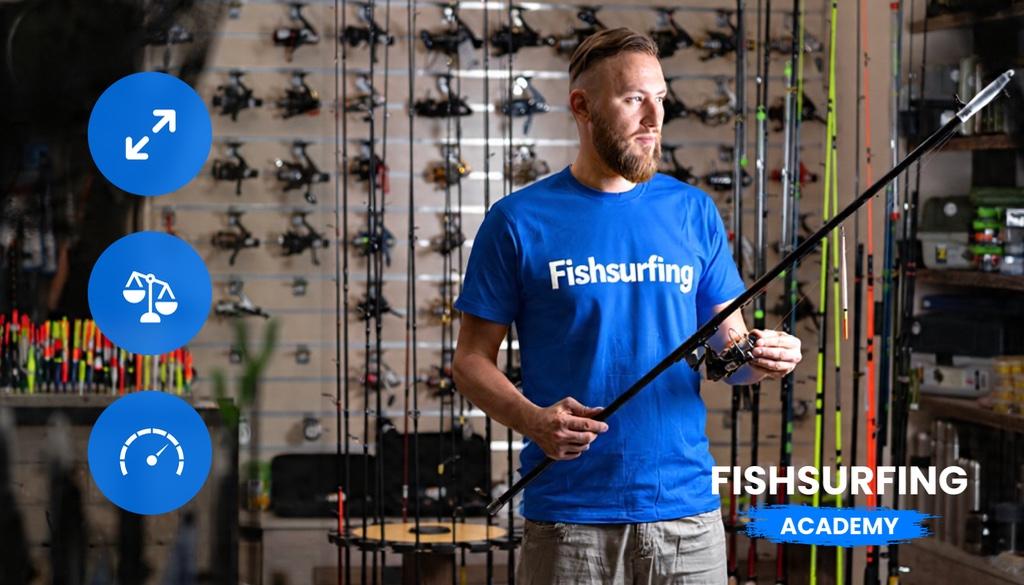
Rod specifications can appear intimidating at first glance, but for float fishing two parameters matter above all others: length and casting weight. Get these right, and the rest of the spec sheet becomes secondary.
Rod Length
Float fishing rods are available from 3.3 to 4.2 metres, and the difference is meaningful. Longer rods improve line control, keep more line off the water, and extend your effective casting range. They also allow you to guide a hooked fish away from snags with greater authority.
That said, a longer rod is also physically more demanding to handle, particularly for younger or smaller-framed anglers. A rod in the 3.6 to 3.9 meter range hits the optimum balance for most beginners: enough length to fish effectively at range, without sacrificing the responsiveness and comfort needed while learning.
Casting Weight
Casting weight indicates the range of rig and bait weights the rod is designed to handle. It is also a reliable proxy for the rod’s overall power - a higher casting weight means a stiffer, more powerful blank, while a lower rating indicates a lighter, more sensitive tool.
A casting weight of up to 25–30 grams covers the full range of standard float fishing situations. It will handle a feeder rig on a still water, a river float in moderate flow, and most baits and species you are likely to encounter in your first season. It is not a compromise - it is the correct specification for the job.
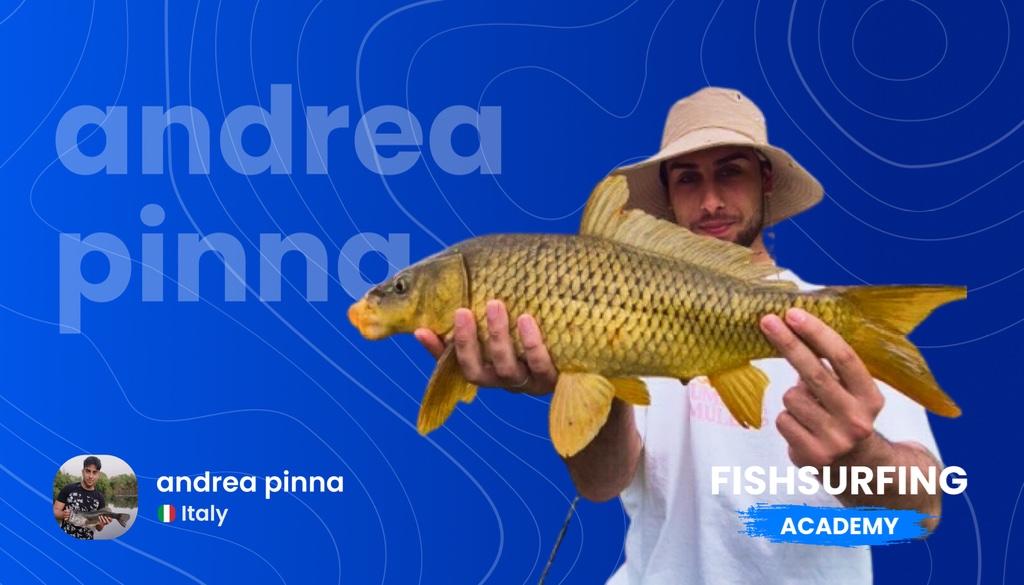
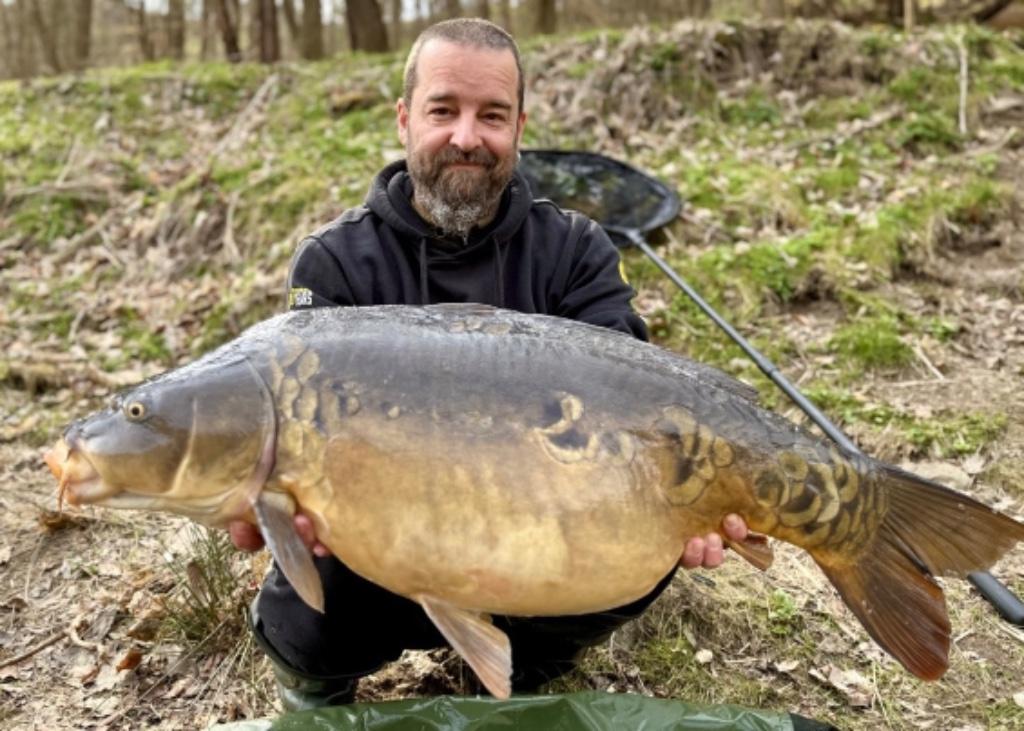
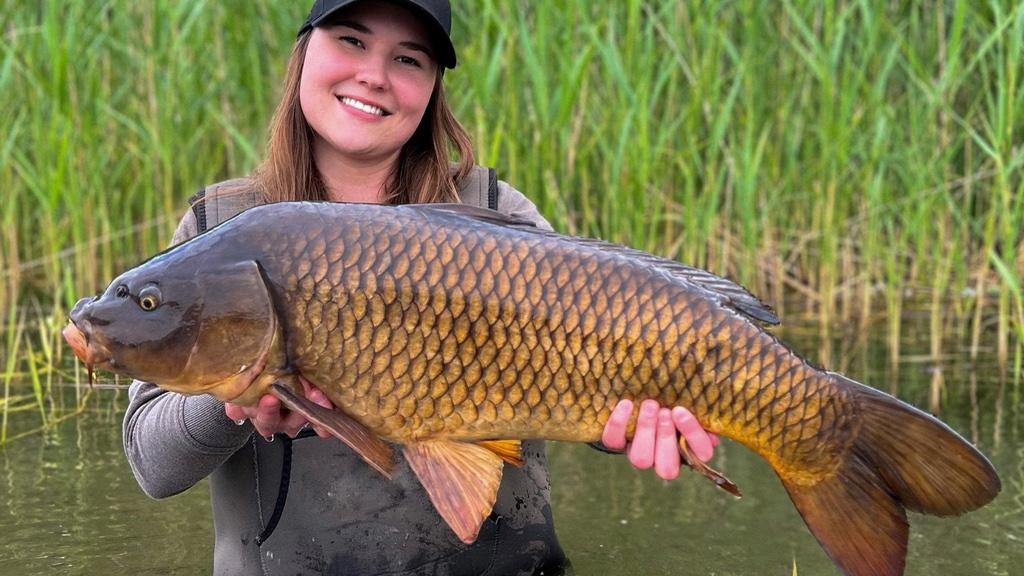
Fishsurfing user Andrea with a beautiful Italian carp, caught on a float rod. What a stunning fish and a memorable catch!
Pole rods - rods without the reels
No guide to beginner rods would be complete without addressing pole fishing. A pole rod operates without a reel entirely - the line is fixed directly to the tip, and the rig is lowered or swung to the fishing spot by extending or retracting the pole itself. It is a fundamentally different discipline from rod-and-reel fishing, but shares the same observational skills.
Poles excel in close-range, precision situations: fishing tight to reeds, under overhanging trees, or into the margins of a lake where a cast would disturb the swim. They are lightweight, highly sensitive, and exceptionally effective for smaller species. Many experienced anglers consider pole fishing to be the most technically rewarding form of freshwater angling.
For absolute beginners - particularly children - a short pole of 3 to 5 metres removes the complexity of casting and reel management entirely. There are no tangles to unpick, no bail arm to forget. The angler simply watches the float and strikes when it moves. It is an outstanding way to build the core instincts of fishing before introducing more complex tackle.
What should you buy for your first fishing setup?
One of the most common mistakes new anglers make is over-investing in tackle before they know what they need. A complete, functional float fishing setup can be assembled for a modest budget, and it will be entirely adequate for learning the sport and catching fish throughout your first season.
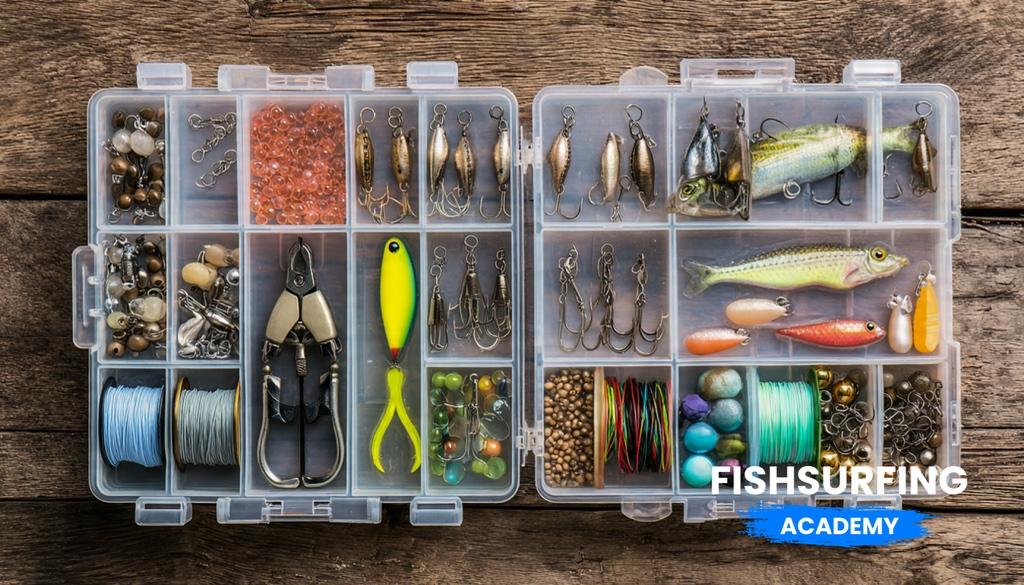
For your first purchase, consider the following essentials:
- a float fishing rod,
- a reel,
- main fishing line,
- a few floats in different sizes,
- a basic selection of hooks and split shot weights.
These five components are all you need to fish effectively from day one. In the next article, we examine how to choose the right reel and fishing line — two decisions that will shape how your rod performs in practice.
Summary
For most beginners, the answer is straightforward: a float fishing rod measuring 3.6 to 3.9 metres, with a casting weight of up to 25–30 grams, is the right tool. It will serve you well across a wide range of waters and species, give you the room to develop proper technique, and remain relevant as your fishing evolves. Whether you opt for a telescopic or multi-piece model will depend on your circumstances - but either, chosen well, will do the job. Buy the rod, get the license, and go fishing.