


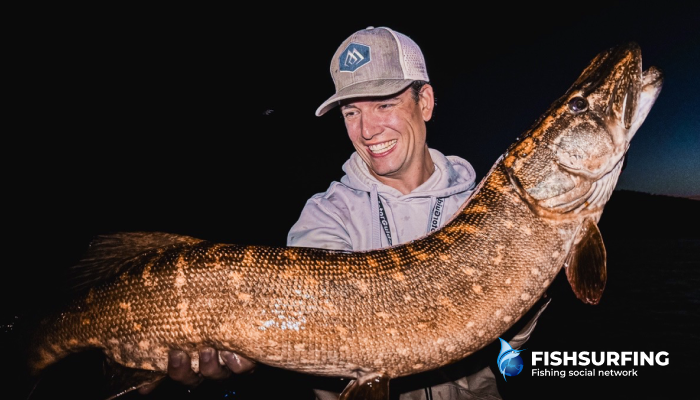
Cooling water and schools of small fish make fall the best time to fish for pike, zander, and perch. Predators are trying to stock up on food, but as the months go by, they constantly change their habitats. If you want to succeed, you can’t rely on just one lure. You need to know where to look for prey at any given time, how to adjust your retrieve speed, and when to finally leave the shallows behind. Find out how to spin fish from September through the end of November.
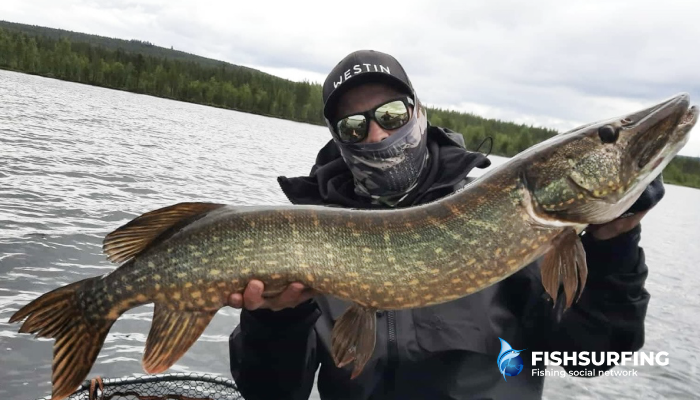
Why Fall Is Such an Exciting Time for Spinning
During the summer, fish tend to be scattered practically throughout the entire fishing area. They find plenty of food in shallow waters, dense aquatic vegetation, along the banks, and in open water. With the arrival of fall and the gradual drop in temperature, however, the rules of the game begin to change rapidly.
Small fish instinctively gather into huge schools and move between warmed-up shallows, drop-offs, and safer depths. Predators, of course, follow them like shadows. Instead of randomly casting across vast bodies of water, you have a unique chance to find specific spots where a huge amount of prey—and even several active predators at once—are concentrated in a small area.
At the same time, water clarity improves significantly as the water cools. The grass dies off, and typical summer hiding spots disappear. While predators are thus much more accessible, they are also all the more cautious. Especially in smaller, clear waters, a catch depends on precise lure control, the choice of natural lure colors, and your absolutely inconspicuous movement on the bank.
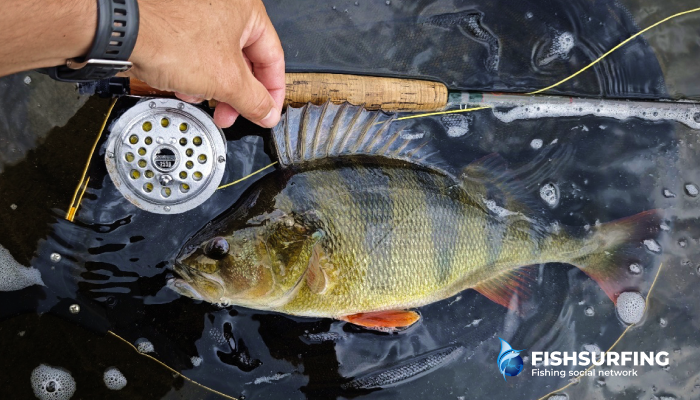
A Guide to Fall Spinning from September through November
Autumn spin fishing simply cannot be summed up in a single universal tactic. A September afternoon with warm water is really only close to a freezing November fishing trip on the calendar.
Early Fall: The Season of Shallow Waters
At the turn of summer and fall, the water is still relatively warm. Small fish still linger near the banks, around remnants of vegetation, in coves, and on shallow shoals. Predators are very active here and reliably respond to lures worked in the middle column or just above the aquatic vegetation.
Where to look for fish at this time of year:
- Edges of aquatic plants
- Shallow, warm coves
- Tributaries and their immediate surroundings
- Rocky and gravelly shores
- Windward banks, where waves naturally push small prey
At this point in the season, you don’t necessarily need to slow down yet. If predators are actively chasing prey, a wobbler, spinnerbait, spoon, or soft plastic lure retrieved at a brisk pace and worked higher off the bottom works great.
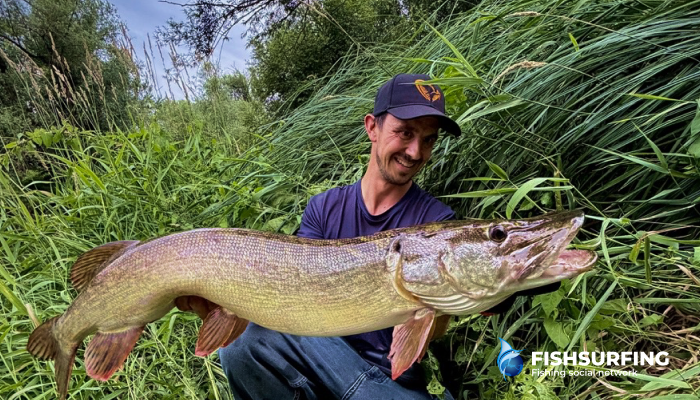
Mid-fall and the shift to transition zones
As the water cools significantly, fish begin to move toward edges, deeper ledges, and the transitions between shallows and deeper water. These routes naturally connect the areas where prey feeds during the day with safer, deeper refuges.
But definitely don’t write off the shallows just because it’s October. On sunny days, small fish like to return to shallower, warmer water, where predators unfailingly follow them. So don’t blindly follow the calendar; instead, pay attention to the current water temperature, sunlight, wind direction, and the movement of the prey.
Late fall calls for depth and a slower pace
In icy water, fish activity is generally significantly reduced. Small fish gather into compact schools and constantly seek out deeper, temperature-stable areas. During this period, predators do not want to chase their prey for long periods in an exhausting manner. They respond much better to a lure that passes very close to their hiding spots.
What works for predators in late fall:
- Thoroughly work the deep edges and depressions
- Working the lure very close to the bottom
- Incorporating longer pauses (let the lure rest on the bottom for a while)
- Slower and more delicate working of soft plastic lures
- Patiently and carefully working a smaller but promising area
Late fall is definitely not a season without a chance of a catch; you just have to forget about quickly and haphazardly combing through large bodies of water and slow down instead.
Where to Look for Predators in the Fall
The most reliable clue isn’t a specific depth, but the presence of food. Where there are small fish, a predator will show up sooner or later.
Drop-offs and depth transitions
Edge areas are among the surest spots in the fall. A predator may be lurking in deeper water and swim out to the shallower part of the drop-off in pursuit of prey. Therefore, don’t just work your lure in one direction. Try casting along the edge—from shallow to deep and vice versa.
It’s often the change in the bottom’s slope that triggers a bite. As the rubber lure sinks, it enters the fish’s field of vision, and the predator strikes at the moment when the prey appears most vulnerable.
Coves and Their Strategic Mouths
In early fall, coves can still hold large numbers of whitefish. As the water cools, their mouths become particularly interesting, as prey moves through them between shallower and deeper water.
Don’t just fish the very center of the cove. Also focus on its edges, the tips of protruding banks, and spots where the bottom begins to slope.
Windward Shores
Strong winds naturally push surface water, plankton, and small fish directly toward one shore. For anglers, this means difficult casts into the wind, but for predators, it’s a feast.
While the windward shore doesn’t work 100% of the time, if you see typical surface ripples, fleeing small fish, or even a predator striking, definitely don’t skip this spot just because casting there is less comfortable.
Tributaries, bridge piers, and obstacles
Tributaries oxygenate the water, carry in fresh food, and often create very attractive temperature gradients. Bridge piers, stone embankments, sunken logs, and other structures, in turn, serve as perfect hiding spots for predators to launch unexpected ambushes.
In the fall, it pays to carefully work not only the obstacle itself but also the wider area in front of and behind it. The fish may not be right next to the log or pier—very often, it’s lurking at the edge of the current or even several meters away.
Deep Channels and Migration to Wintering Grounds
In late fall, a significant portion of the fish population retreats to the deepest sections and to the original riverbeds in reservoir areas. Finding such spots from the bank requires practice, but the shape of the bank itself, a bathymetric map, or knowledge of the fishing area gained during the summer months—when water levels are low—can provide valuable clues.
When fishing at these depths, however, you don’t need to recklessly drag your lure over rocks. It’s more than enough to guide it a few dozen centimeters above the bottom and let it sink enticingly through the water column.
The Best Lures for Fall Spinning
You don’t need to completely reorganize your tackle box before the fall season. What matters much more is the right size of the lures, their running depth, and your technique for working them.
Versatile rubber lures
Soft plastics are absolutely great for bottom fishing, fishing in the water column, and vertical jigging from a boat. For zander, a classic sinking action with short jerks works well; pike prefer a larger lure retrieved smoothly; and perch reliably take smaller soft baits or hoof-shaped lures.
As water temperatures drop, don’t hesitate to use larger lures—predators are looking for hearty meals before winter sets in. However, if they’re currently feeding on small fry, they’ll stubbornly ignore a giant rubber lure.
Wobblers for Fishing in Shallow Waters and Along Edges
Their effectiveness really shines in coves, along the banks, or over decaying vegetation. You can easily lift floating models over obstacles, while floating wobblers can be paused provocatively right in the water column. In the fall, pauses are often more important than aggressive retrieves—predators love to strike the moment the wobbler stops, perfectly mimicking exhausted prey.
Sinking Lures and Spinners for Cold Water
A drifting lure allows you to quickly cover a vast area at various depths and works as an excellent tool for pike and active perch. Spinners, on the other hand, are better suited for early fall, smaller rivers, or when predators prefer strong vibrations. In late, frosty fall, fast retrieves with metal lures usually don’t work anymore. Even then, however, it’s worth trying a slower wobbler, which you let sink enticingly to the bottom during pauses.
How to Adapt to the Weather and Time of Day
In summer, the prime fishing times are usually early morning and evening. In the fall, as the water cools, activity may shift to later in the morning or into the afternoon. The sun no longer overheats the water as it does in summer, and a few warmer hours can draw small fish into shallower areas.
Overcast weather and a light breeze often allow predators to hunt for longer. On a clear day with clear water, they may be more cautious or stay in deeper water. However, this isn’t a hard-and-fast rule. More important than cloud cover itself is the stability of conditions and what’s actually happening in the water.
Watch for:
- the movement of small fish
- wind direction
- changes in water clarity
- warming of the shallows
- the depth at which you’re getting bites
Fall Tactics by Fish Species
Each predatory fish requires a slightly different approach as the weather gets colder. Here are some basic tips on how to outsmart our three most popular predatory fish.
How to Fish for Pike in the Fall
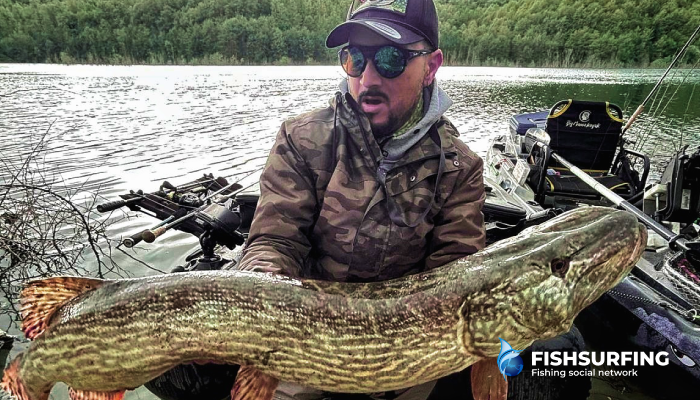
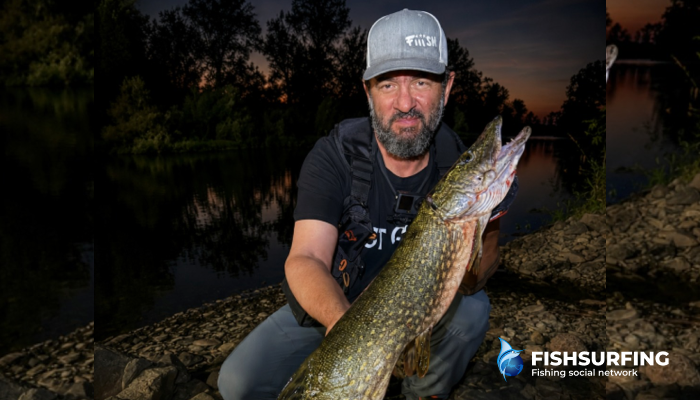
Look for pike around remnants of vegetation, sunken snags, and structural edges where whitefish gather. While they still feed in shallow waters at the start of fall, they head deeper as the water cools.
Don’t be afraid to use larger soft plastics, wobblers, or spoons, but always fish with durable monofilament line or special heavy-duty fluorocarbon. A standard perch leader won’t protect it from a pike.
Fall zander fishing is all about proper lure presentation
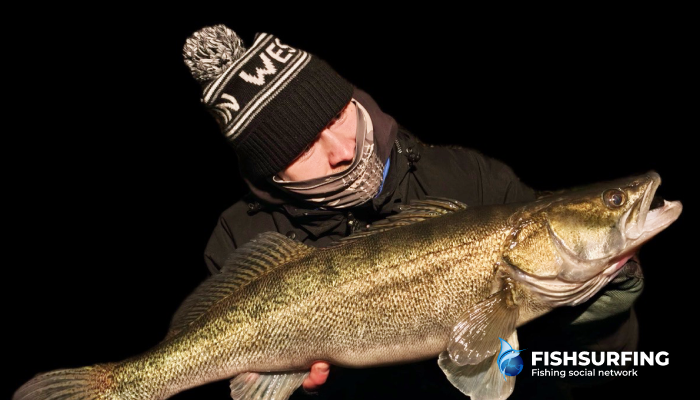
In the fall, zander are typically found near deeper edges, hard bottoms, rocky sections, and the original riverbed. Soft plastic lures worked close to the bottom are a typical choice.
The strike isn’t always violent. Sometimes you’ll feel only a light tap, a change in resistance, or an unnatural pause in the lure’s descent. Therefore, maintain contact with the lure and keep an eye on the line even as it sinks.
How to Successfully Catch Perch in Fall Schools
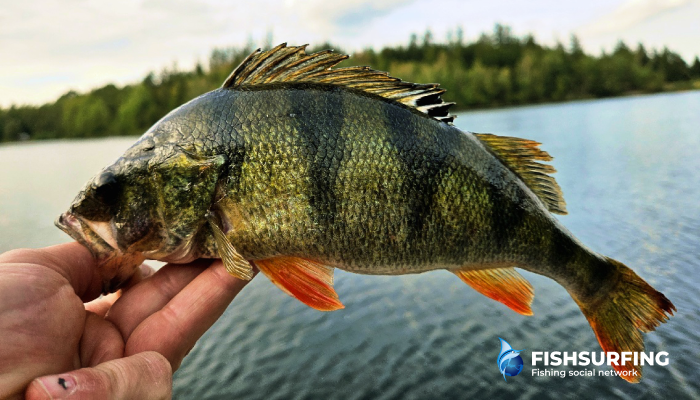
Perch often stay in schools in the fall and follow small fish. When you catch one, don’t leave right away. There may be others in the same area—sometimes even larger ones—hanging back or on the edge of the school.
Smaller soft plastics, wobblers, spinners, and small floating lures all work well. If the smaller lure stops getting bites, try a slightly larger one or adjust the depth. Larger perch may not be in the same depth layer as smaller fish.
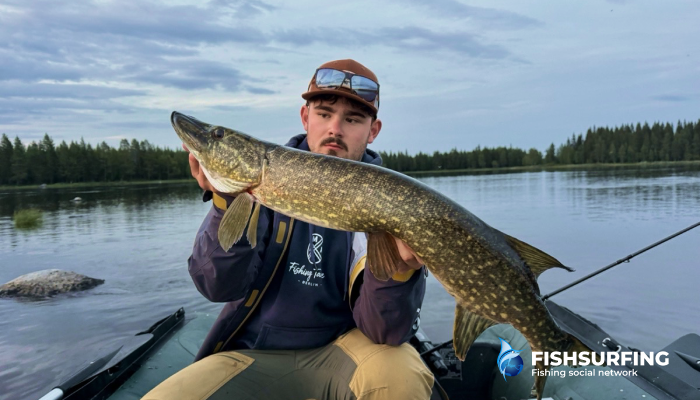
Fall spin fishing requires adaptation and reading the water
Fall by the water offers some of the most beautiful fishing experiences and often the chance for the catch of a lifetime. But for your fall spinning to be truly successful, you must definitively break away from summer routines. Don’t just go by the date on the calendar; instead, closely monitor current conditions. Look for schools of small fish, pay attention to structure edges, and don’t be afraid to gradually slow down the retrieve of your lures as the water temperature drops.
Every autumn day is simply a little different. A September tactic might fail completely in a freezing November, but that’s precisely where the greatest magic of predator fishing lies. Those who think on their feet by the water, aren’t afraid to experiment with depth, and can adapt to the fish’s behavior will sooner or later experience that dream hard strike. So put on some warm layers, pack your tackle boxes, and head out to the water.