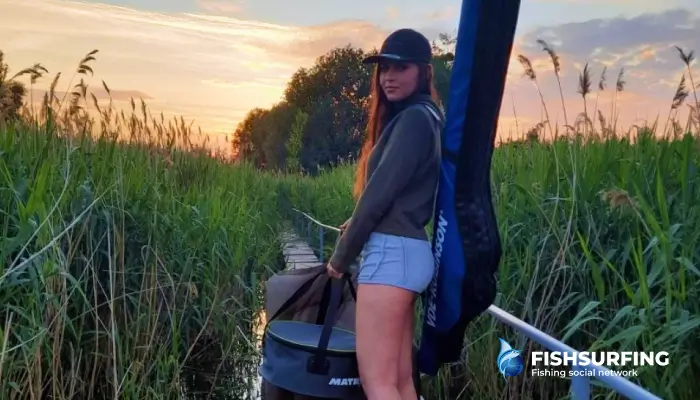


Feeder fishing is one of the most popular fishing techniques in our country. And it's no coincidence. It combines simplicity with surprising effectiveness and gives both beginners and experienced anglers who want to fish systematically and with sensitivity a chance to succeed. It is not about waiting "blindly," but a thoughtful way of fishing where feeding, bait, and location play a crucial role.
What is a feeder and why does it work?
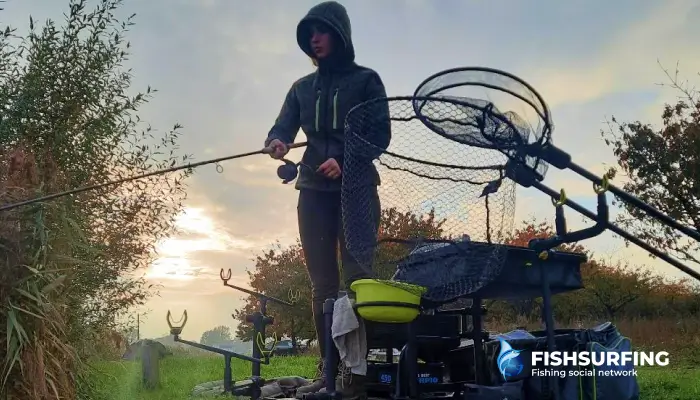
Feeder fishing is a method of bottom fishing in which a feeder is part of the rig. Thanks to this, you can get the feed and bait exactly where you want it, and the fish gradually get used to the fact that it pays to stay there. You don't wait for the fish to accidentally hit the hook. Instead, you actively attract it.
It is precisely the concentration of fish in a small area that is the reason why feeder fishing works so reliably. Each cast replenishes the feeding spot and creates a clear point of interest. Over time, the fish return and the bites come more regularly.
Another big advantage of feeder fishing is its sensitivity. Special feeder tips can detect even very cautious bites that you would easily overlook with a classic rod.
Basic feeder techniques
Feeder fishing is not one fixed method of fishing. Quite the contrary. Depending on where you are fishing, what fish you are targeting, and what the conditions are, you can choose the style that suits you best.
Classic feeder
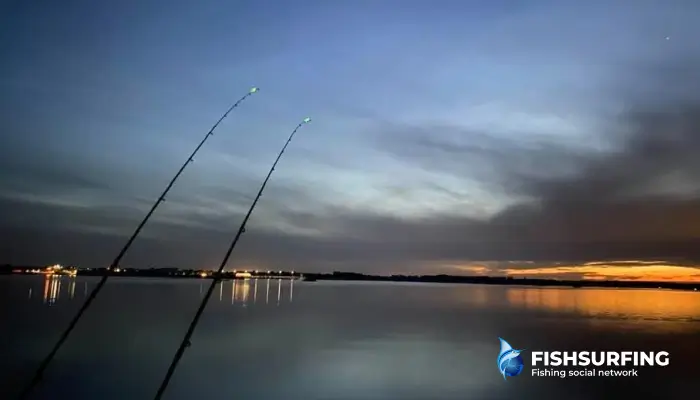
Classic feeder fishing is a versatile technique that will suffice in most situations. Fill the feeder with a mixture, add worms, corn, or pellets, cast, and watch the tip. Simple, but very effective.
It is suitable for both still waters and slower rivers. It works great when you want to keep the fish in place and catch them systematically. That is why the classic feeder is popular for fishing for bream, roach, smaller carp, or parma. Just cast regularly and let the feed do its work.
This is a style that will teach you to read bites. Sometimes the tip just twitches slightly, other times it bends completely. Over time, you will learn to recognize when it makes sense to strike and when the fish is just tasting the bait.
Method feeder
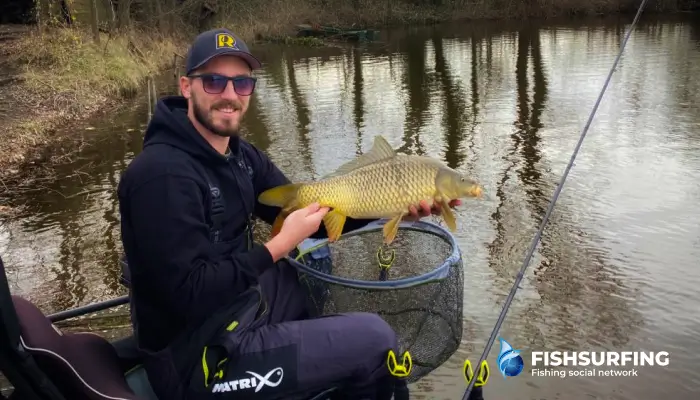
The method feeder is a little more targeted and faster. The feeder is filled with a sticky mixture in which you hide the hook with the bait. The fish takes the feed directly from the feeder and takes the hook with it, often without thinking twice.
This technique is especially popular with carp anglers and works great on ponds and reservoirs. You will appreciate it especially on shorter trips when you don't want to wait tens of minutes for the first bite. When the method works, the bites are usually quick and clearly readable.
When to choose a classic feeder and when to choose the method
Both techniques work great, but each is suitable for slightly different situations. However, when you know what you are looking for, the decision is easy.
Choose a classic feeder when:
- You are fishing in a river or in flowing water. A classic feeder holds the feed track better and allows you to work with the current. Fish gradually move into the spot and stay there longer.
- You are targeting white fish or more varied catches. Roach, bream, barbel, or smaller carp respond very well to spread feeding. A classic feeder is ideal when you want to fish continuously.
- You are planning a longer trip. You have time to feed the fish and wait for them to settle in. A classic feeder is more of a marathon than a sprint.
- You need to be flexible. You can easily change the size of the hook, the bait, and the composition of the feed depending on what the fish want at the moment.
A method feeder is a better choice when:
- You are fishing in still water. Ponds, smaller dams, and commercial fishing grounds are perfect for method fishing. The feed and bait are exactly where they should be.
- You are specifically targeting carp. The method is more selective. It often eliminates small fish and the bites tend to be strong.
- You don't have much time. Do you want to fish after work or for a few hours? Method feeder often brings bites faster than classic feeder.
- The fish are cautious. Sucking the feed directly from the feeder is natural for fish and often overcomes their distrust.
Basic equipment for feeder fishing
The great thing about feeder fishing is that it doesn't force you to buy complicated equipment right from the start. If you choose a reasonable basic set, you can fish practically anywhere and gradually fine-tune your style to suit yourself.
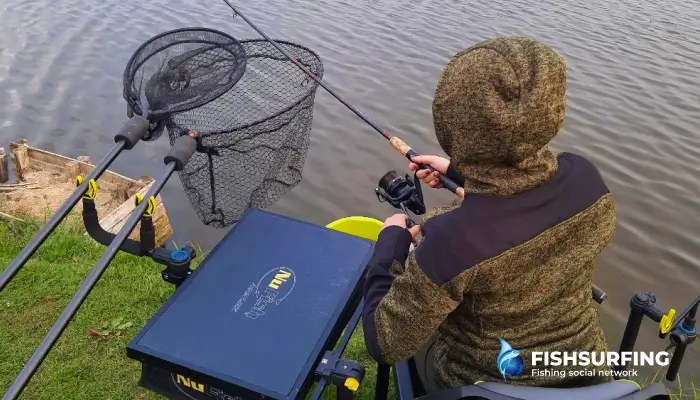
Feeder rod: sensitivity that makes sense
You can recognize a feeder rod by its interchangeable tips. These are what make a feeder a feeder. You don't have to constantly watch the line or wait for a sharp bite. The tip will show you even the slightest nudge when the fish is just testing the bait.
For most situations, a rod around 3.3 to 3.6 meters long will work well. A shorter rod is more comfortable in smaller waters, while a longer one will help with longer casts or on a river. You don't have to worry about extreme weights right away. It's more important that the rod is comfortable to work with and that your hand doesn't hurt after an hour of fishing.
Reel and line: simplicity wins
There is no need to complicate things with a feeder. A reliable, medium-sized reel with smooth operation is all you need. The brake should work gently, because fish often bite cautiously and a thin leader will not forgive your mistakes.
Most anglers fish with a feeder using classic fishing line. It is more flexible than braided line and reduces the risk of losing your catch when reeling it in. If you are just starting out with feeder fishing, fishing line is the safer choice.
Bait and lures: less is often more
With feeder fishing, less really is more. The aim is not to feed the fish, but to keep them in place and arouse their interest. Too much feeding can have the opposite effect. The fish will become distracted, find food away from the hook, and you simply won't get any bites.
Simple classics are the most successful
Start as simply as possible. A basic feed mixture supplemented with a few worms, corn, or small pellets usually works reliably. Watch the tip of the rod and the pace of the bites. If nothing happens, try reducing the amount of feed, refining it, or slightly changing its composition. Often, it is the small adjustments that make the difference.
When it comes to bait, it pays to stick to the classics. Worms, corn, small pellets, or a combination of these on a single hook are surprisingly effective. "Miraculous" new products may work, but basic bait catches fish reliably over the long term. And that is key when feeder fishing.
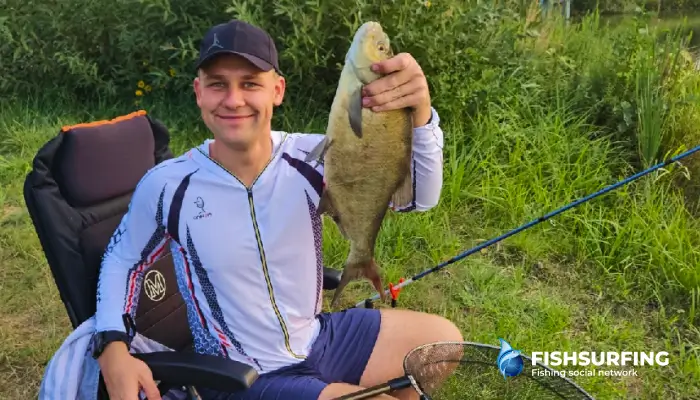
Where to cast and how often to cast
Feeder fishing is not about casting randomly across the water. On the contrary, choose one spot and be consistent. Ideally, cast the same distance every time, either using a clip on the reel or a landmark on the opposite bank. This will allow the fish to get used to the fact that food comes to one specific place.
Cast according to the fish's reaction
At the beginning, it pays to cast more often, even every 3-5 minutes. This will quickly create a feeding spot and the fish will start to gather. Once you get the first bites, you can lengthen the intervals and give the fish more time.
Sometimes the bite comes immediately after the feeder hits the water, other times after a longer pause. Watch when the fish react and adjust your casting pace accordingly. It is this ability to respond to the situation that makes feeder fishing successful.
The most common mistakes when feeder fishing
Feeder fishing is great precisely because it is simple. Paradoxically, most mistakes occur when we start to complicate it unnecessarily or, conversely, underestimate the details that matter.
Too much feeding right at the start
One of the most common mistakes. Enthusiastic anglers tend to "feed heavily" to make sure the fish come. However, with feeder fishing, this often achieves the opposite. The fish will appear, but they have no reason to take the bait on the hook.
It is better to start modestly and build up the feeding spot gradually. If the fish respond, you can add more. If not, reduce the amount. Feeder fishing is about control, not quantity.
Casting in a different place every time
If each cast ends up in a different place, the fish simply won't concentrate on you. The feed will be scattered across the entire area and you won't get any bites, or they will be irregular.
Stick to one spot. Same distance, same direction. A clip on the reel or a landmark on the opposite bank will make a huge difference, even if it seems like a small thing.
Too strong a setup
Beginners often reach for strong line, large hooks, and massive lures, just to be on the safe side. But feeder fishing is all about finesse. Fish often bite cautiously, and a strong rig is more likely to scare them away.
A thinner leader, smaller hook, and natural bait will usually bring more bites, even when it comes to larger fish. Strength belongs in the rod and brake, not the hook.
Poorly chosen casting rhythm
Many anglers either cast too often or, conversely, hardly at all. Both can be wrong. If you cast every minute, the fish won't have time to react. If you leave the feeder lying there for half an hour without a bite, you're often just wasting your time.
Try it out. Start with shorter intervals, watch the reactions, and adjust accordingly. Feeder fishing is a dialogue with the water – and you will see the answer at the tip of your rod.
Ignoring the tip and subtle bites
Not every bite has to be a bend all the way to the handle. With a feeder, there are often subtle taps, slow bends, or tip returns. If you only wait for a strong bite, you will miss a lot of fish.
Watch the tip carefully and react in time. With feeder fishing, a less vigorous strike is often better than a sharp jerk.
Constantly changing lures without a system
When you don't catch anything right away, you may be tempted to change everything from scratch. The bait, hook, leader, feed. But without a system, it's hard to know what actually works.
Always change only one thing. The bait, the length of the leader, or the rhythm of casting. This will help you quickly understand what the fish want (and what they don't).
How to get started with feeder fishing: a quick summary
If you are just starting out with feeder fishing, stick to simple steps. There is no need for complicated rigs or a bag full of equipment. It is more important to understand the principle.
Start with a universal feeder rod with interchangeable tips, classic line, and a medium-weight feeder. Choose a simple rig that you can easily handle by the water. Choose your feed sparingly and classic lures: worms, corn, or small pellets work reliably almost everywhere.
Choose one spot, cast consistently, and watch the tip of the rod. It will tell you when the fish are biting, even if the bite is subtle. Gradually, you will begin to notice patterns and figure out when the fish are responding quickly, when you need to slow down, and when to reduce the feed.
Feeder fishing will teach you patience, precision, and how to read the water. These are skills that will come in handy with any fishing technique. It gives you control over the spot, the feed, and the presentation of the bait, without being unnecessarily complicated. Your reward will be not only the catch, but also the feeling that you know exactly why the fish took the bait.