


The Zig Rig is one of those carp fishing techniques that can deliver excellent results precisely when a traditional bottom rig isn’t working. The principle is simple: instead of presenting the bait on the bottom, you present it in the water column—at the depth where the fish are actually moving. For some, it’s a controversial method; for others, a genius weapon capable of producing a bite even when the entire reservoir is silent. In this article, we’ll explore why carp leave the bottom, how to set up the right rig, and how to dominate the fishing spot with this method.
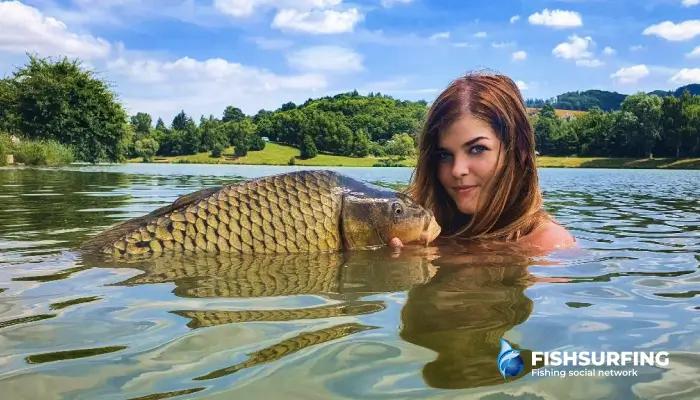
What is a zig rig and how does it work
A zig rig is a setup with a long leader and a small floating lure positioned at a certain height above the bottom. The goal isn’t to make the carp swim down to the lure, but to present the bait directly in its path. The bait is usually small, light, and either bright or inconspicuous depending on conditions, but it’s always designed to hang in the water column rather than sit on the bottom waiting for food.
This is a fundamental difference from classic carp fishing. With a standard bottom rig, you rely on the fish to forage at the bottom. With a zig rig, you actively seek out the water column where the carp is patrolling, resting, or feeling comfortable. When you hit the right depth, a zig rig can be incredibly effective.
Why do carp leave the bottom?
To understand why the zig rig works so well, we need to put ourselves in the carp’s shoes—or rather, scales—for a moment. Carp are cold-blooded animals, and their life rhythm is dictated by their surroundings—primarily water temperature and dissolved oxygen levels.
Temperature stratification (water layering)
The water in lakes and reservoirs isn’t the same temperature everywhere. Especially in summer, a phenomenon called stratification occurs, where a warmed, lighter layer of water stays near the surface, while the water near the bottom remains cooler and heavier. A so-called thermocline forms between them.
Carp, known for their love of warmth, very often stay in these warmer layers of the water column, where their metabolism runs at full speed. They only descend to the bottom sporadically in search of food or, conversely, seek refuge there during extreme heat if there is enough oxygen.
The Hunt for Oxygen
Oxygen enters the water in two ways: by diffusion from the atmosphere through the surface and through photosynthesis by aquatic plants. On hot days or during strong winds that whip the surface, the most oxygen is found in the upper layers.
Fish feel miserable in the poorly oxygenated water near the bottom; they become lethargic and refuse to feed. But as soon as you lift the lure into the water column where it can breathe more easily, its activity immediately increases.
Natural food in the water column
Don’t forget that the water column isn’t an empty space. It’s full of plankton, insect larvae, and tiny crustaceans that migrate up and down depending on the light. Carp are opportunistic feeders, and foraging in the water column is completely natural for them. The zig rig simply takes advantage of this curiosity and hunger.
When to use a zig rig
The zig rig works best when carp aren’t on the bottom. Sometimes they stay higher due to water temperature, other times because of light, pressure, oxygen levels, or simply because they’re actively moving through the water column and aren’t interested in the bottom at that moment. That’s exactly when it makes sense to stop waiting for a bite from the bottom and present the bait where the fish are actually moving.
When you see fish high in the water
This is the clearest signal. Carp show themselves below the surface, swimming through the water column, occasionally turning or just lazily rolling higher above the bottom. You can see the fish, but your bottom rods remain unresponsive. At such a moment, a zig rig is often one of the most logical solutions. You aren’t trying to lure them down; instead, you offer them a small bait right in their path.
In spring and during changeable weather
Spring is a very strong season for the zig rig. The water is gradually warming up, the fish are on the move, they often show themselves, and they don’t always want to feed off the bottom. That’s exactly when a classic rig might go unnoticed, while the zig rig will get a bite from a fish that’s staying in its comfort zone. It also works well in variable conditions, when fish move between different depths throughout the day.
In summer, when carp are hanging in the water column
In warm water, carp are often found high up. Sometimes they’re basking, other times they’re just moving around in a more comfortable water column and pay almost no attention to the bottom. That’s exactly when the zig rig is very effective. It’s particularly suitable for deeper waters, more open areas, and situations where it’s clearly visible that the fish are moving near the surface, but classic bottom rigs aren’t getting any bites.
Sometimes even during the colder part of the year
The zig rig isn’t just a summer or spring technique. In deeper waters, carp may stay in the middle layers even during colder periods if the conditions there suit them better than near the bottom. It’s not a hard-and-fast rule for every winter trip, but in certain types of water, the zig rig can work surprisingly well even when most anglers wouldn’t use it at all.
How to correctly determine depth
This is absolutely crucial when using a zig rig. Even the best lure or the best leader won’t help if you’re fishing in the wrong layer. A zig rig isn’t a technique where a rough guess will do; often, a difference of just a few inches makes all the difference. That’s exactly why it pays to systematically assess the water column and look for where the fish are actually biting.
Find out which layer the carp are in
It’s best to start with what you see at the water’s surface. If the fish are swimming just below the surface, start higher up. If they’re more visible in the middle of the water column, adjust your depth accordingly. And if you don’t see anything, it makes sense to proceed methodically and test each layer.
If you’re fishing with multiple rods, you can position them at different depths and quickly determine which zone is producing bites. Once you get your first bite, you have a very valuable clue for your next catch.
What lure to use on a jig rig
You don’t use large bottom baits on a zig rig. On the contrary. Small floating baits that look inconspicuous but are sufficiently visible or contrast in the water column work best. Common options include various foams, small pieces of floating material, or tiny pop-up baits. Their visibility, lightness, and how they behave in the water column are often more important than their size.
Color also plays a major role. Sometimes bolder shades work, other times a dark silhouette. A lot depends on the light, depth, water color, and the fish’s mood. That’s why it’s often an advantage to have multiple colors with you when jigging and not be afraid to experiment.

What leader and rig to use for a zig rig
Setting up a zig rig looks easy at first glance—you simply use a long leader. But the devil is in the details. You basically have two options for doing this.
Fixed Zig Rig (Fixed Leader)
A fixed zig rig is the simpler option, where you fish with a leader of a predetermined length. It’s best when you have a rough idea of the water column where the carp are moving and can still cast the leader length reasonably well.
- The basis is a long leader made of clear monofilament line or special fluorocarbon for a zig rig. It is important that the line does not cast reflections in the water and is stiff enough so that it does not tangle during the cast.
- Use a smaller but very strong hook (size 8, 10, or even 12). Models with an outward-curved eye are ideal, as they ensure the correct angle when the bait is sucked in from the water column.
- The rig also typically includes a heavier sinker, which helps with self-setting and stabilizes the entire rig during the cast and when a fish strikes.
Adjustable Zig Rig
If you’re fishing at great depths and don’t know which layer the fish are in, a fixed leader won’t help. An adjustable zig rig uses a special underwater float (buoy) that is threaded onto the main line before the lead.
- Cast to the bottom.
- Release the drag and let the float rise to the surface.
- Then reel in and lower the lure to the desired depth (e.g., 2 meters below the surface). This method allows you to explore the entire water column without having to re-tie.
In addition to the equipment itself, the stability of the entire rig is crucial. The zig rig is best used where you have plenty of open water and a relatively clear area for casting and landing fish. In extremely overgrown or heavily snagged waters, a long leader can become a complication. Therefore, it’s good to consider not only whether fish are in the water column, but also whether the zig rig is even safe and practical in that particular body of water.
Should you feed when using a zig rig?
This is one of the most common questions. The zig rig is often successful even as a standalone rig without classic bottom baiting, but if you really want to draw carp into the water column and keep them there, you have to feed. Forget about classic pellets that sink to the bottom, though. You need a feeding cloud.
Recipe for feeding with a zig rig
The goal is to create a vertical trail in the water column that slowly sinks downward, but with some particles remaining suspended.
- The base of the mix should be fine and release small particles quickly into the water column. Light groundbait mixes or special zig mixes are suitable, as they create a visible cloud upon impact.
- A liquid component can “open up” the mix even more. Sweeter or milky liquids are often used, as they help create a more pronounced trail in the water.
- The particles should be fine and light rather than heavy and dense. For example, small flakes, finely ground hemp, or other ingredients that do not sink immediately to the bottom and remain active in the water column longer work well.
- The consistency is usually thinner than that of a classic spod mix. The mixture should be wet enough to create a cloud upon impact and not immediately fall to the bottom in a compact clump.
This mixture is best delivered to the spot using bait rockets. When the rocket hits the water’s surface, it creates a white or colored cloud that attracts fish both visually and by scent. The carp swim into the cloud, start sucking up the tiny particles, and in the chaos, they also take in your bait on the hook.
The Zig Rig is mainly about reading the water
The best thing about the zig rig is that it forces you to think differently. Not just about what to put on the hook, but where the fish are actually located. Once you master this, you’ll start reading the fishing spot in a whole new way. The water will no longer be just the bottom and the surface. Suddenly, you’ll see several layers within it where fascinating fishing action can take place.
If you assess the situation correctly, hit the right depth, and present an inconspicuous lure directly in the fish’s path, the zig rig can be one of the most effective carp fishing techniques ever. It’s a well-thought-out way to catch fish where they actually are. And that’s exactly why it’s worth knowing how to use it.