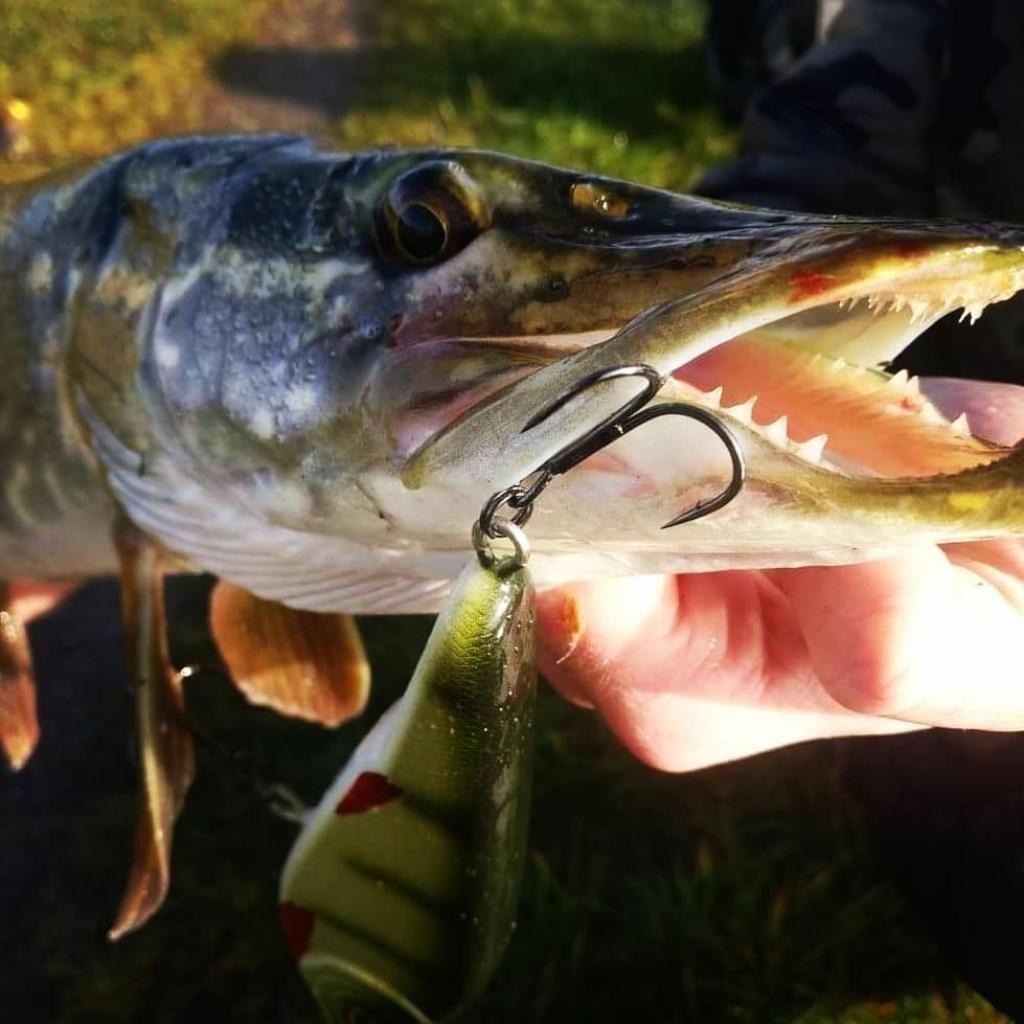


Fishing with lures is one of the most exciting methods practiced by millions around the globe. It has become extremely popular in the last 20 years and many hobby anglers have turned into professionals. Lure fishing has been a huge sport lately and many lucrative competitions are organized worldwide. Yet, starting to fish with lures can be puzzling and even discouraging. Let’s take a look at some of the most important principles that can serve as a guide for anyone who wants to practice lure fishing.
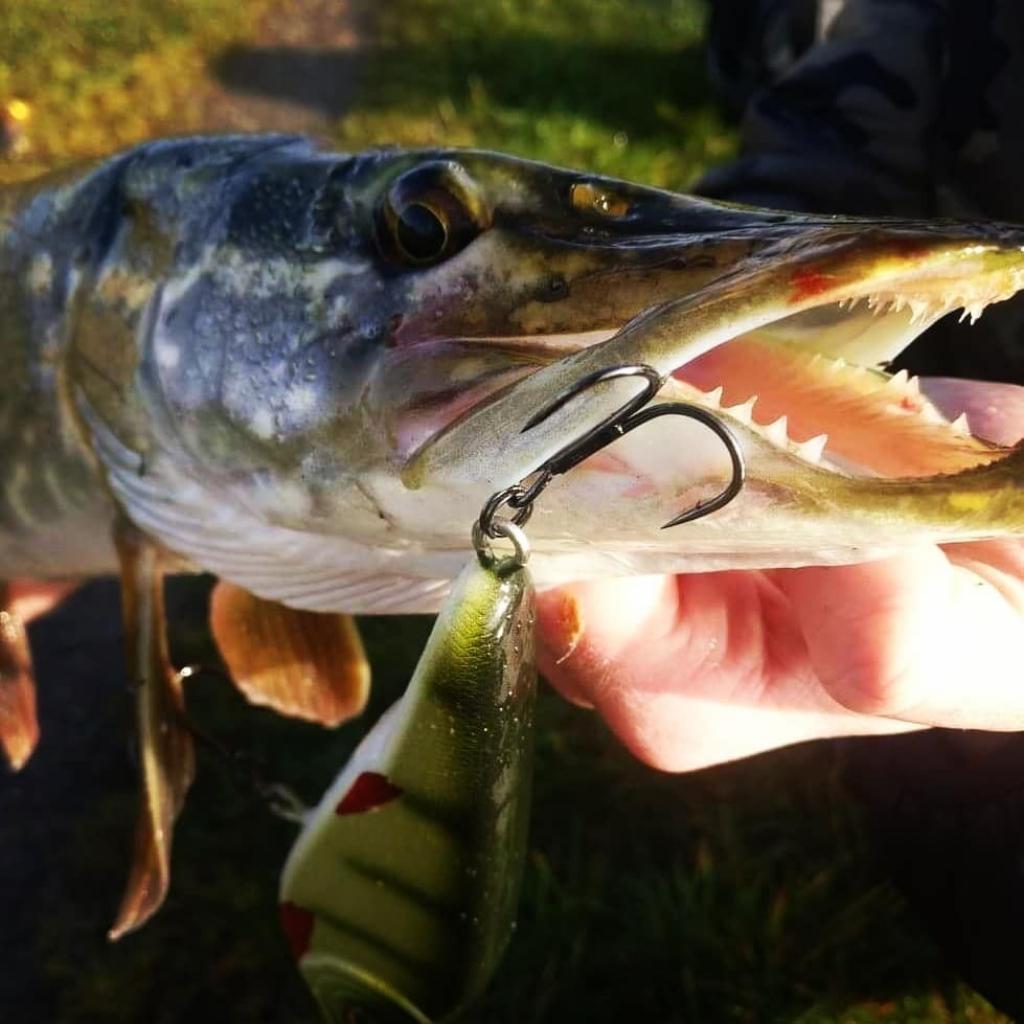
Image source
What is lure fishing?
It’s a method used for predator fishing with the use of an artificial bait called а lure. The purpose of the lure is to resemble prey fish, insects, or small animals that predator fish feed on. In comparison to real baits, lures can be used multiple times to catch fish and can be stored in boxes for a long time. Lures attract fish through specific movements, reflections, colors, and vibrations.
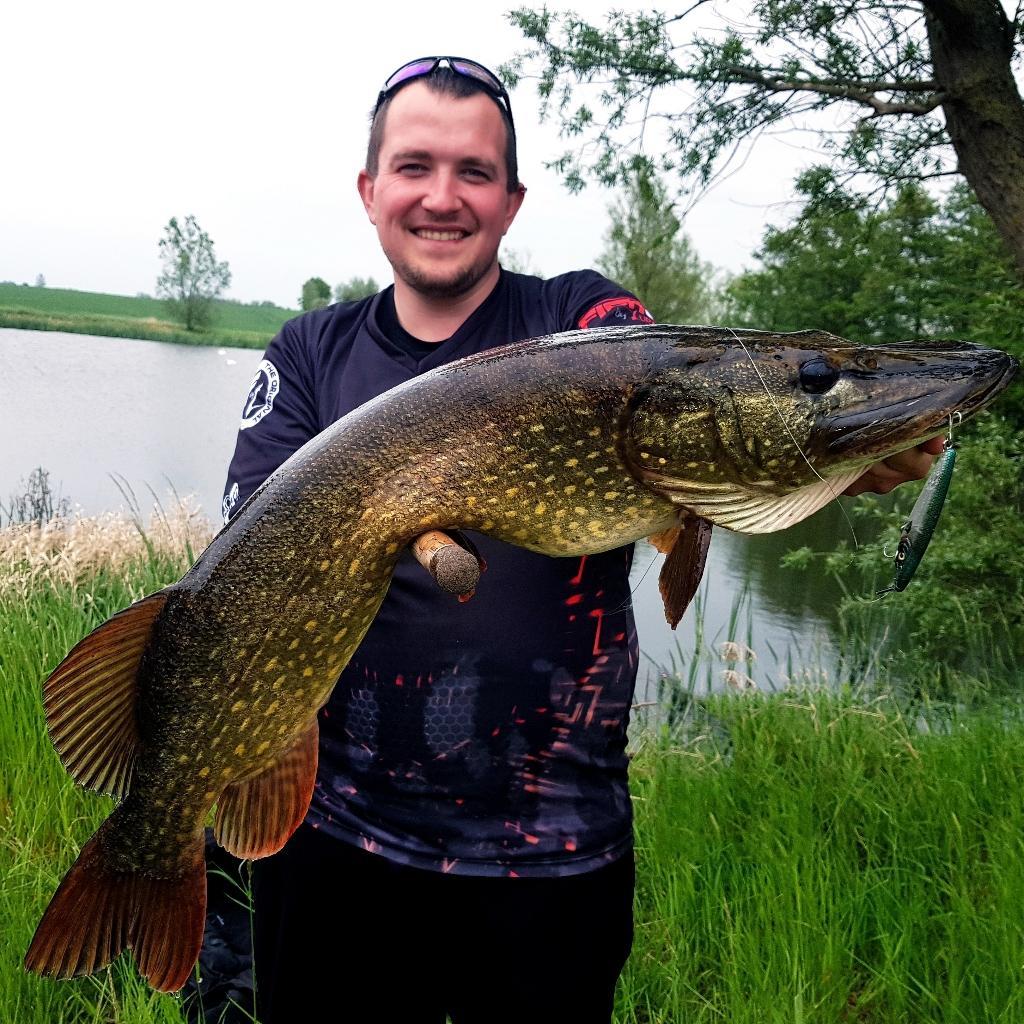
Image source
Fishing gear
For those who start, you need to equip yourself with the appropriate gear for lure fishing and that includes rod, reel, main line, leader, and some accessories. You need to choose a rod specifically designed for lure fishing and those can easily be recognized in stores. Lure rods can be ultra-light, light, medium, and heavy depending on the lure weights you are planning to use. They are usually shorter than most live bait rods and have reliable blanks that can handle big fish. With regard to reels, they are divided into fixed-spool and multiplier baitcasting types of reels. However, the latter ones are more difficult to use and should be avoided by beginners. To make the perfect lure fishing kit, you need to choose a reel that balances well with your rod. Light rods should be combined with light reels and vice-versa. Reels used for lure fishing usually have a front-drag system and various gear ratios. You can always consult with an expert from your local fishing store so they can help you choose the best kit. There is no right or wrong direction when you start but you should choose your rod and reel in accordance with the fish you are after. Nevertheless, most beginners prefer to start with a medium-heavy kit because it gives the opportunity to learn casting and retrieving with more ease. The most traditional main line for lure fishing is considered to be the braided line, also known as braid. Braided lines practically have no stretch, making hook sets easily achievable no matter how deep the water is. They also have a great sensitivity which is important when fishing in deeper waters. Last but not least, braids have no memory which means that they can be left on spools for a long time without having to change. Leaders (fluorocarbon or wire), snaps and swivels, landing net, unhooking pliers, and polarised sunglasses are must-have accessories for every angler’s box.
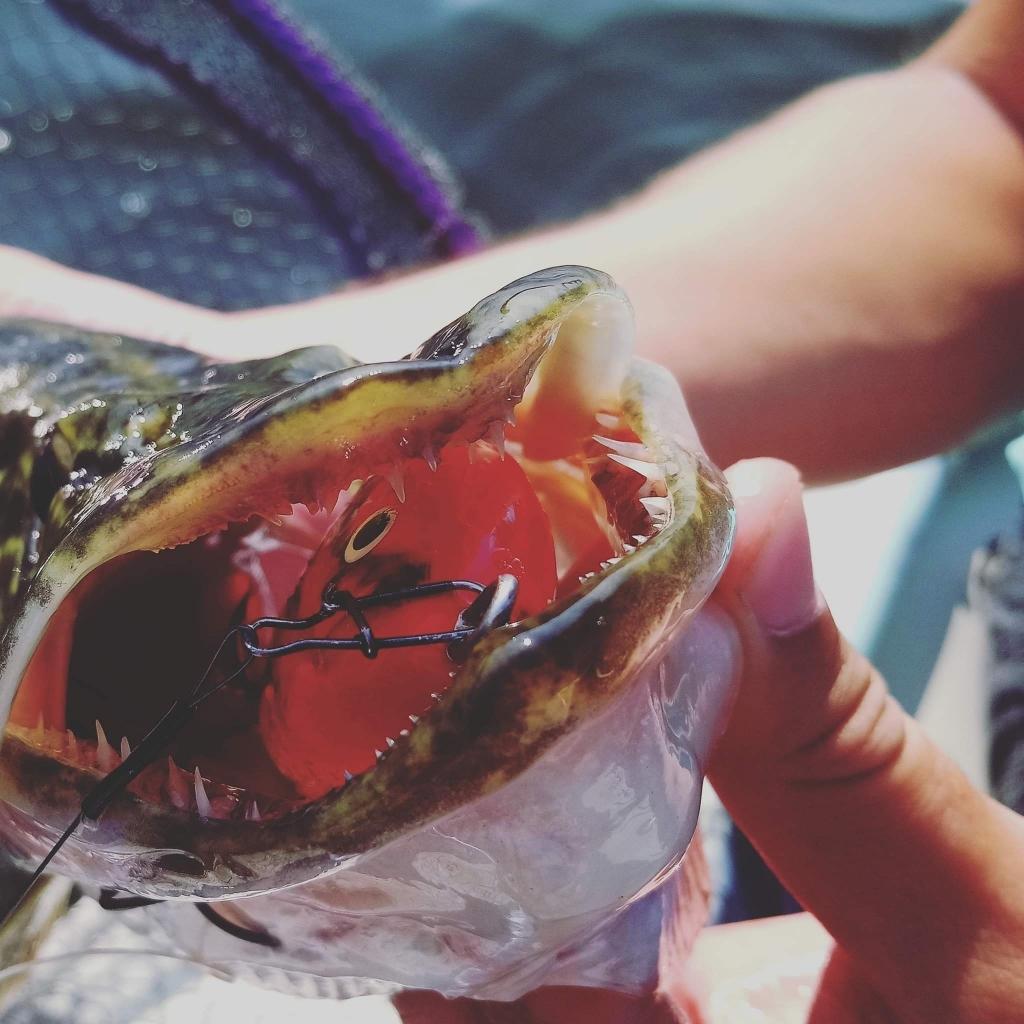
Image source
Types of lures
There are lots of different types and it’s hard to mention them all. But generally, there are three main groups: hard lures, soft lures, and spinners.
Hard lures are made of wood or hard plastic and can have all sorts of sizes, shapes, and colors. Crankbaits, minnows, jerk baits, pencils, poppers, and walkers are some of the most popular hard lures. They can also be categorized as floating, suspending, sinking, and surface lures depending on their action in the water. Some of them can create strong vibrations and make noises underwater while others are completely silent. This great variety of actions allow you to cover most water layers and be prepared to adapt to different situations at the venue where you fish.
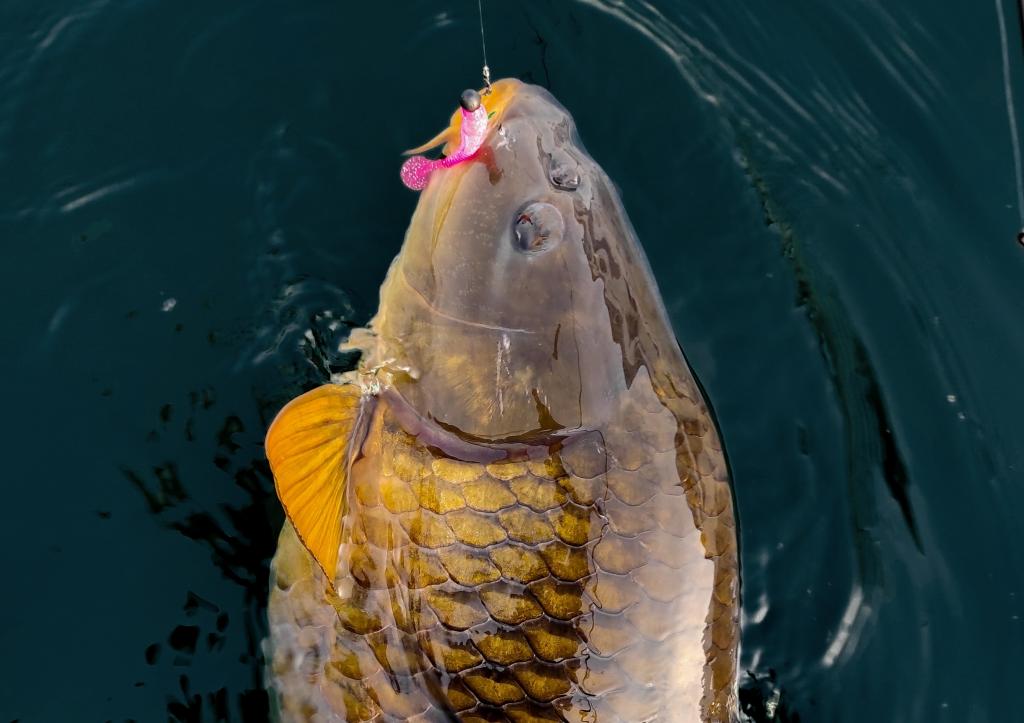
Soft lures are made of vinyl plastic and are very popular for bass, perch, and zander fishing. Soft lures are cheaper and can be used in situations where hard lures do not work. Worms, prey fish, frogs, larvae, crayfish, crabs, and squid are very popular lures made of plastic. These lures can be rigged with heavy jigheads as well as weedless hooks making them extremely versatile for all conditions.
Spinners are made of steel, titanium, or copper and are really easy to use. All you need to do to make their blades rotate is to retrieve the lure at a steady pace. Spinners imitate swimming fish and have strong reflections on a sunny day. These lures may look very simple and not realistic at first glance but in many cases can make the difference when predators are inactive. Spinners are perfect for beginners and you simply can’t go wrong when using them.
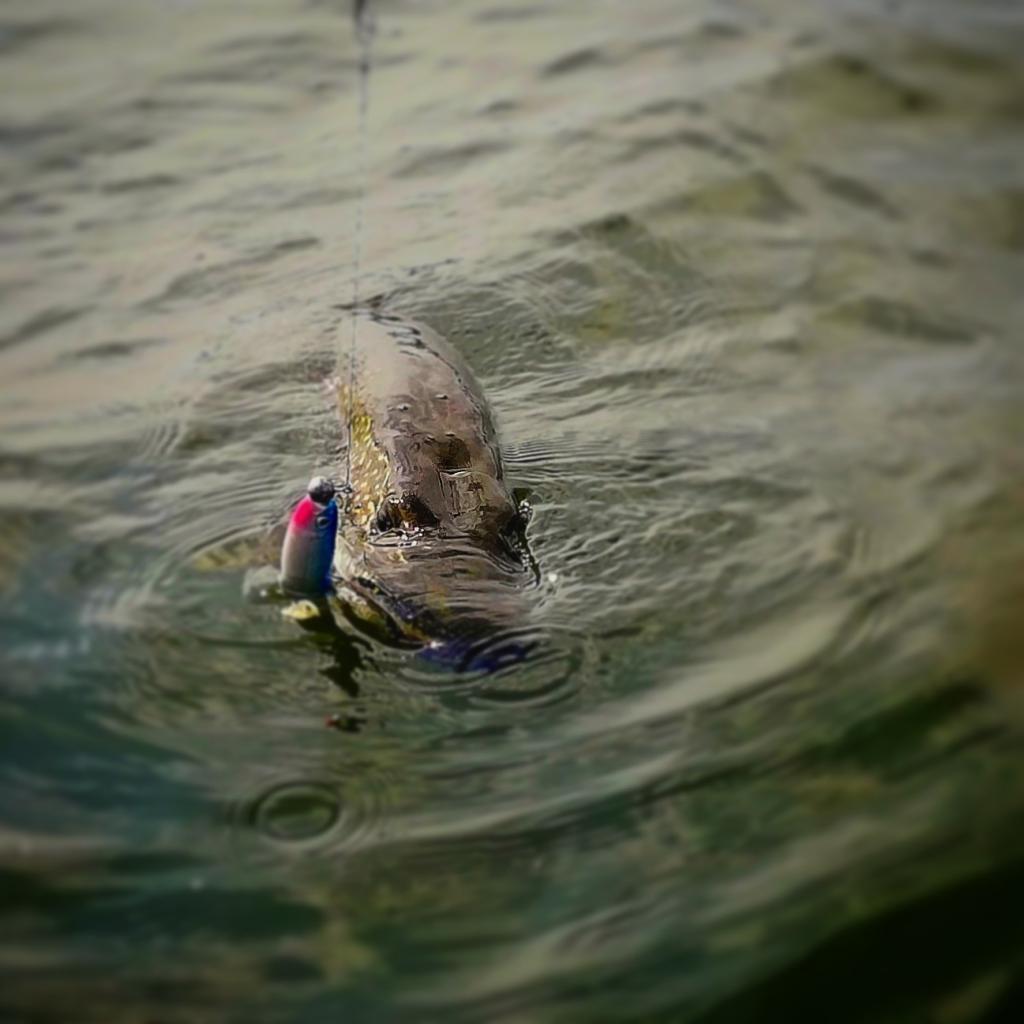
Image source
Tips for fishing with lures
- Learn how to cast before catching fish. Lure fishing is about technique and skills and very often requires precise casts to attract predator fish
- Choose lures according to your fishing gear and the fish species you want to catch
- Be confident, prepared, and persistent. Lure fishing can be very tough at times and you may spend hours without catching a single fish. Don’t get discouraged!
- Have different lure types, sizes, and colors and find what works best
- Don’t spend more than 15-20 minutes in the same spot if you have tried different lures. Covering more water and using the right lures are keys to success.
- Select your lures according to water and weather conditions. On sunny days, go for natural colors. On cloudy days and murky water, choose bright colors and lures that create vibrations
- Read books, magazines, and articles to get various points of view.
- Invest in good polarised sunglasses
- If nothing works, go against the general rules and experiment
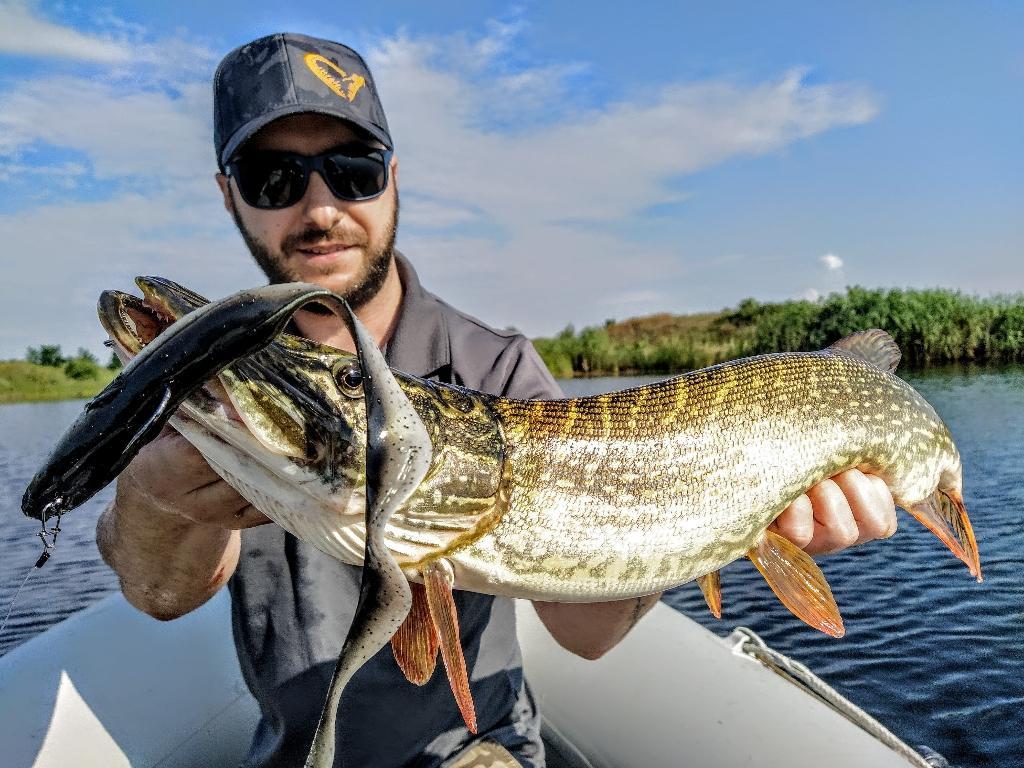
Image source