


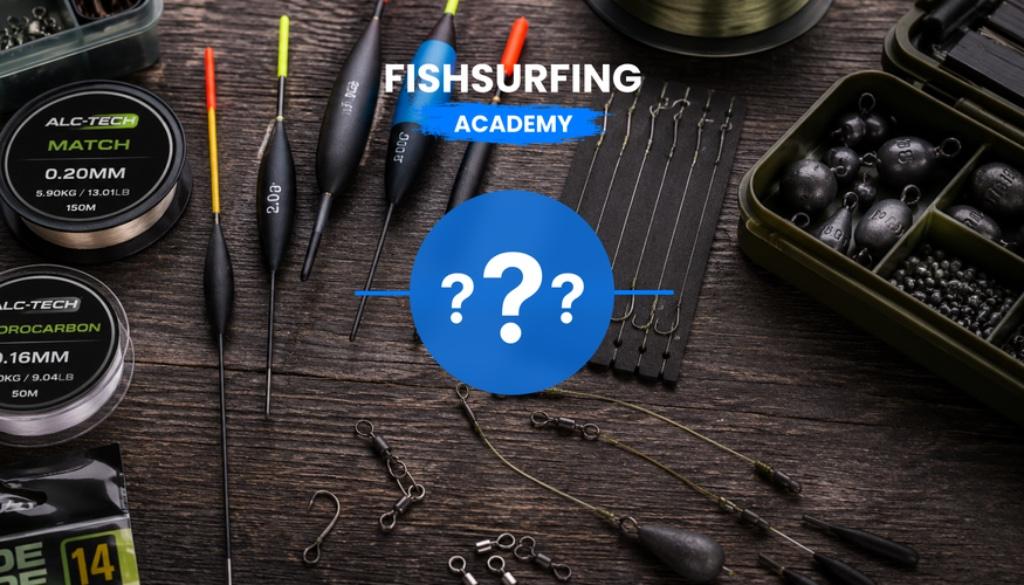


In our previous articles, we covered how to choose your first fishing rod and reel. Now it's time to look at the tackle that connects everything together—the line, the float, the weights, the hook, and the other accessories. Getting this setup right makes a real difference to how many bites you get and how successfully you land fish.
In this article, we'll walk through each component, explaining what to look for and how to put everything together.
The main line
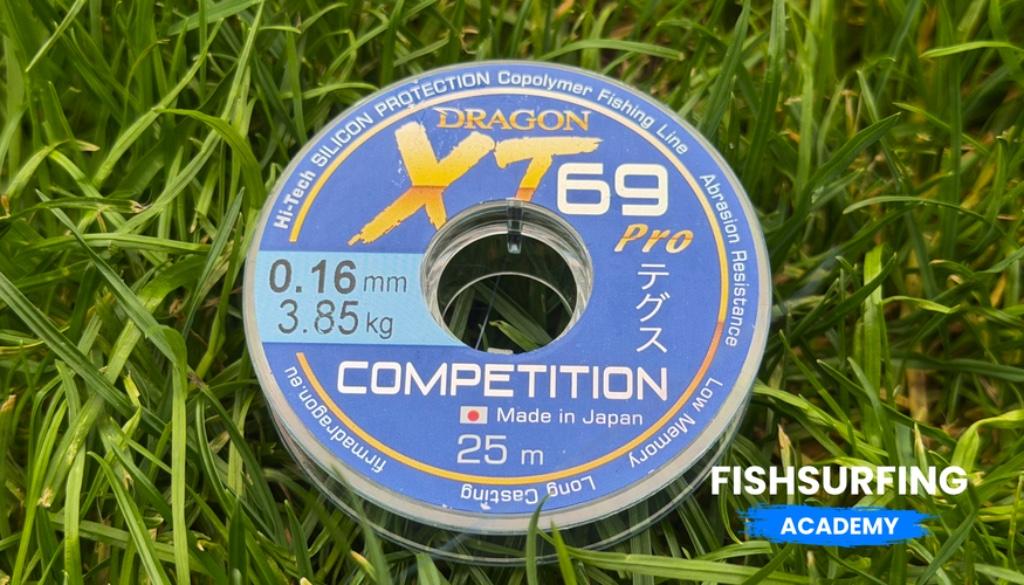
The main line is the line that runs from your reel, through the rod guides, and down to your float. For float fishing sinking line is the standard choice. It is affordable, easy to handle and has a natural stretch that helps absorb the sudden lunges of a hooked fish.
The key specification to pay attention to is the line diameter, measured in millimetres. For general float fishing, a diameter of 0.16 to 0.20 mm is a good starting point. This is strong enough to handle most coarse fish, such as perch, roach, bream, and tench - while remaining fine enough not to spook fish in clear water.
Avoid going too heavy with your main line. A thick, stiff line is harder to cast, creates more resistance in the water, and can make your float behave unnaturally. As a beginner, a 0.18 mm line in a neutral colour such as clear or light grey is an excellent all-round choice.
The float
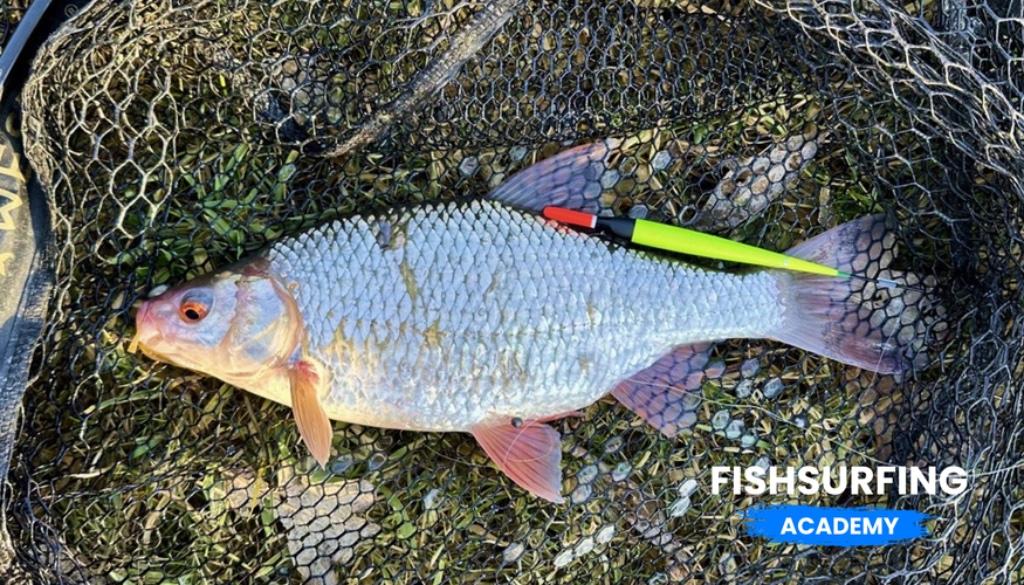
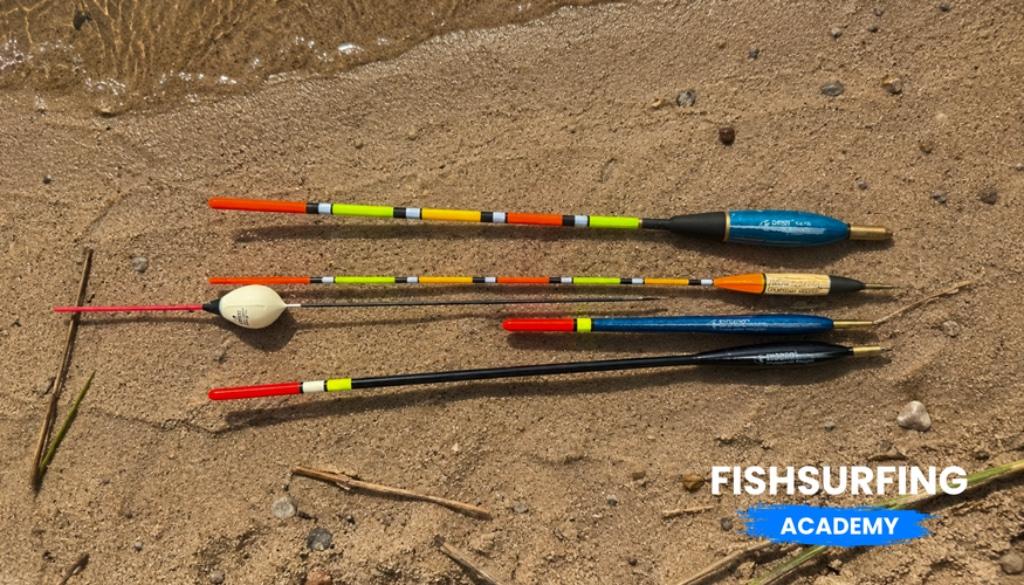
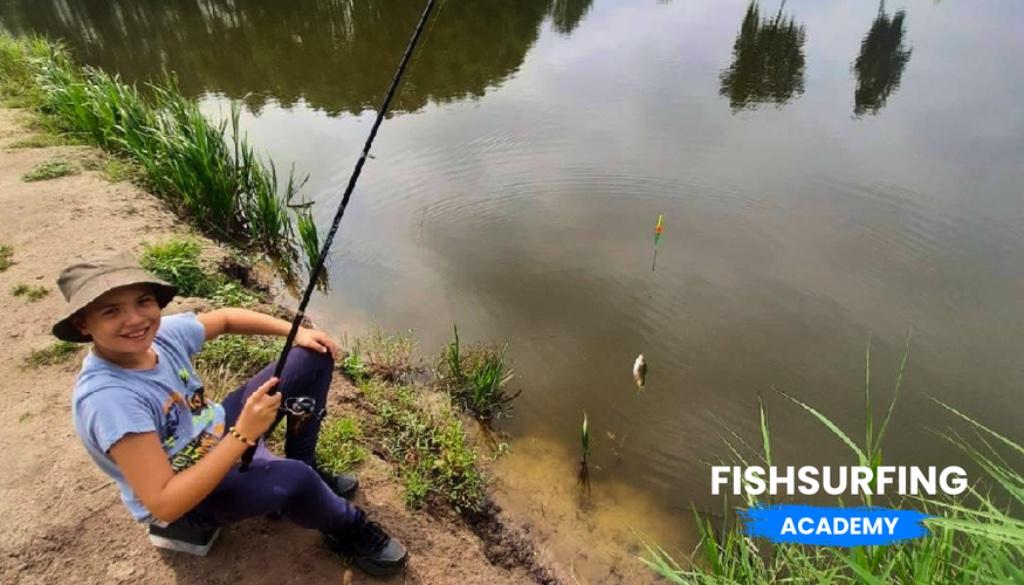
The float serves two purposes: it suspends your bait at a set depth and acts as a bite indicator. When it dips beneath the surface, it's time to strike. Floats come in many shapes and sizes, each suited to different conditions and techniques.
For a beginner fishing still or slow-moving water, a simple waggler float is the most practical choice. Wagglers attach to the line at the bottom end only, which means they lie flat in the water when cast and are easy to read. They are available in different carrying capacities, expressed in the weight of shot needed to cock them properly - typically marked in AAA, BB, or gram values.
Start with a medium-sized waggler that carries around 3–4 AAA shot or approximately 3–4 g. This gives you enough weight to cast a reasonable distance while still remaining sensitive to bites. The float should sit in the water with only the tip showing - if too much of the body is above the surface, add a little more weight; if the float is riding too low, remove some.
Shot and weights
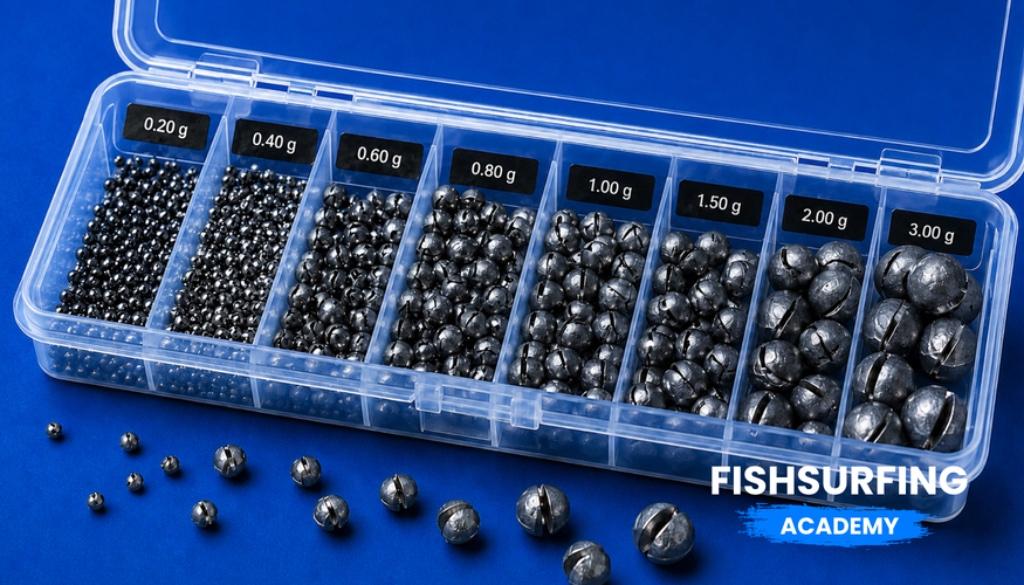
Split shot are small lead or non-toxic metal weights that are pinched onto the line to cock the float and control how the bait falls through the water. They come in a range of sizes, from large shot down to tiny dust shot, and each size has a specific weight.
A basic shotting pattern for still-water float fishing uses a bulk of larger shot placed around two-thirds of the way down between float and hook to get the rig to depth quickly, with one or two smaller dropper shot closer to the hook to slow the final descent of the bait. This presentation is natural and works well for most species.
As a rule of thumb, keep the shot as light as the conditions allow. The lighter the rig, the more sensitively the float will respond to bites, and the more naturally the bait will move in the water.
The hook length
The hook length is a short length of line that connects the main line to the hook. It is always made from a finer diameter line than the main line, typically 0.10 to 0.14 mm for general float fishing.
There are two reasons for using a finer hook length. First, it makes the presentation more natural - a slim, almost invisible line near the hook is less likely to deter cautious fish. Second, it acts as a weak point: if the hook snags on underwater debris, the hook length will break before the main line, meaning you lose only a small piece of tackle rather than the whole rig.
Hook lengths typically measure between 15 and 30 cm. A length of around 20 cm is a reliable starting point. You can buy pre-tied hook lengths with hooks already attached, which is very convenient for beginners, or tie your own once you have learned a reliable fishing knot.
The hook
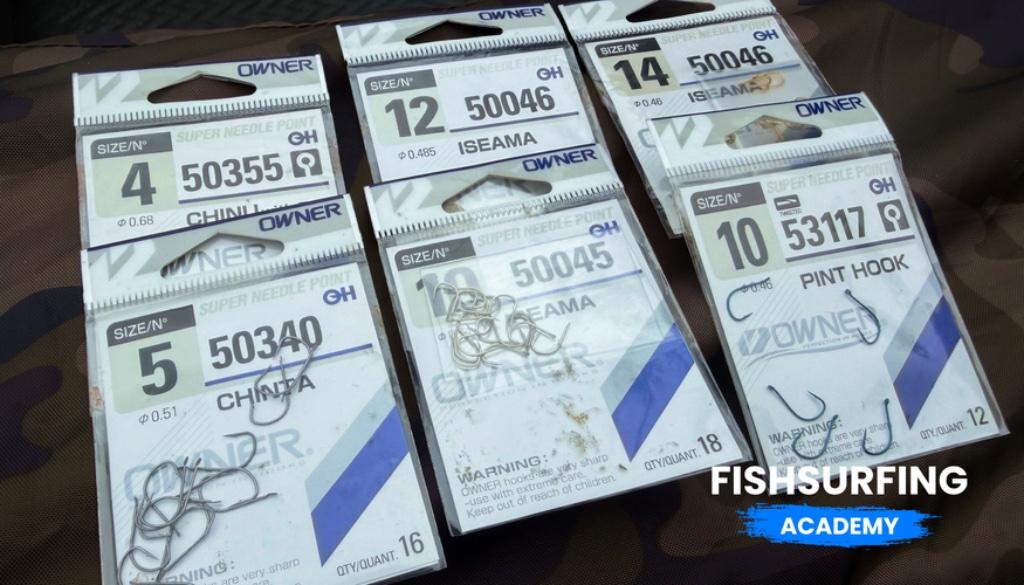
Hook sizes use a somewhat counterintuitive numbering system: the smaller the number, the larger the hook. For general float fishing targeting roach, perch, and crucian carp, hooks in the range of size 10 to 18 are appropriate. For larger species such as bream or tench, a size 8 to 6 hook is a better choice.
For beginners, spade-end hooks on pre-tied hook lengths are the easiest option, as there is no knot to tie directly to the hook shank. Eyed hooks are also perfectly fine if you are comfortable tying the knot yourself.
Match the hook size to the bait you plan to use. A size 18 hook suits a single maggot or a small piece of bread punch. A size 14 works well with two maggots, a small worm, or a grain of sweetcorn. Larger baits such as a full lobworm or a piece of bread flake call for a bigger size.
Putting the rig together
Assembling a simple float rig is straightforward once you have done it a couple of times. Follow these steps:
- Thread the main line through the float adapter or attach the waggler using a float adapter.
- Pinch the bulk shot onto the main line about two-thirds of the way between the float and the hook-length connection.
- Add one or two smaller dropper shot below the bulk, spacing them evenly towards the hook.
- Attach the hook length to the main line using a loop-to-loop connection or a small swivel.
- Adjust the depth so the hook rests just above the bottom.
Summary
A well-balanced float rig does not need to be complicated or expensive. For most beginners fishing still or slow-moving water, the combination below will cover the vast majority of situations:
- Main line: 0.18 mm, clear or light grey
- Float: Medium waggler, rated at approximately 3–4 g (or 3–4 AAA)
- Shot: Bulk shot totalling approximately 3–4 g, plus one or two No. 6 or No. 8 dropper shot positioned below the bulk
- Hook length: 20 cm of 0.12 mm line
- Hook: Size 14–16 spade-end hook for general coarse fishing with maggots or bread
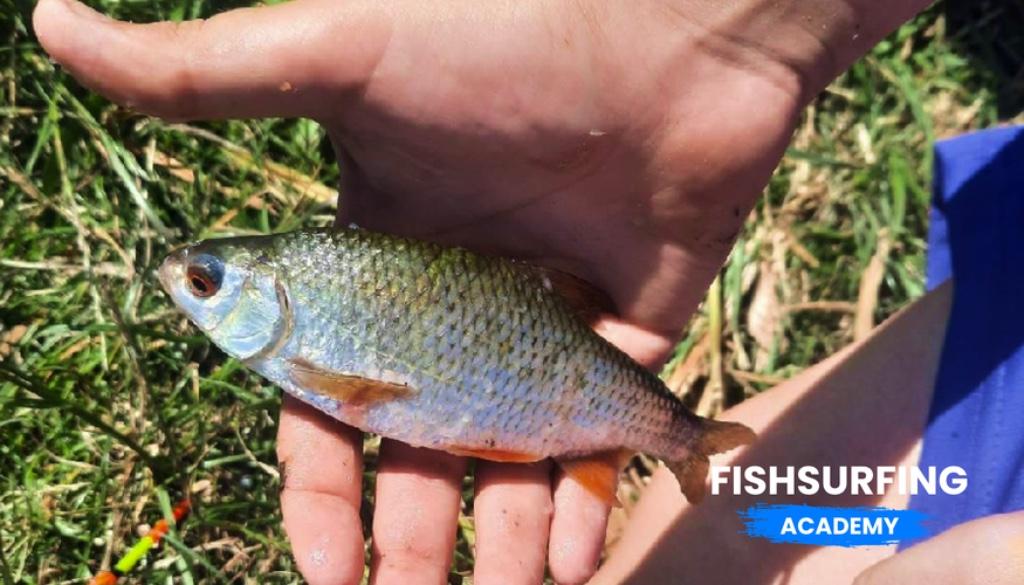
Start simple, observe how your float behaves in the water, and adjust the depth and shotting until the presentation looks natural. A good tackle setup is a skill that improves with every session—and there's nothing more satisfying than watching your float slip cleanly beneath the surface.