


Feeder fishing for bream is not about one random bite. It's about the moment when the tip of the rod slowly starts to bend and you know that there is a whole school of fish below you. It's about the rhythm of casting, precise feeding, and patience, which suddenly turns into a series of regular bites. Feeder fishing gives the angler tremendous control over what is happening at the bottom. Once you understand where to look for bream and how to keep them in place by feeding them, a quiet session by the water turns into a very active and stable hunt.
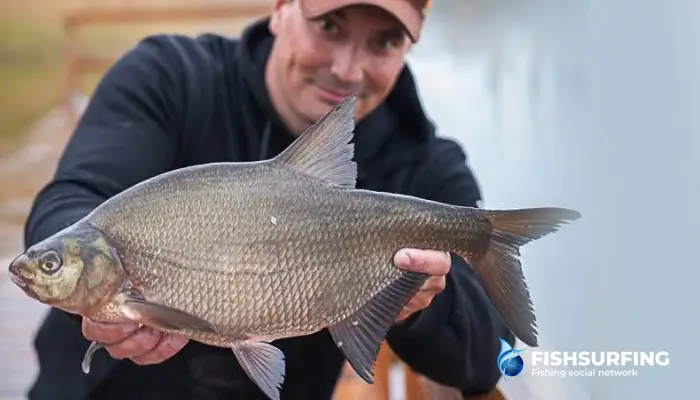
How bream behave
Bream is not a fish that you would accidentally "hit" while casting. You will either encounter bream in a whole school... or you will not encounter them at all. And that is the first thing to realize.
When bream are below you, you will know it quickly. The bites come regularly and the tip bends in a typical, smooth pull. When they are not there, you can have the best bait and feed, and still nothing will happen. With bream, it is not just about the bait, but mainly about the location and whether you have managed to attract the shoal.
Bream are systematic and cautious
Bream spend most of their time at the bottom. They are not among the fish that aggressively chase their prey. Rather, they systematically collect the food they find. If you create an interesting spot for them at the bottom (fine feed, scent trail, and a regular supply of small particles), they have a reason to stay.
At the same time, however, it can be surprisingly cautious. Larger specimens often just suck in the bait and spit it out. The tip vibrates slightly, loosens, and bends again. These uncertain signals are typical for bream. And that is exactly why the feeder works for it. The sensitive tip will show you even a bite that you would not have noticed at all.
With bream, it is good to think in rhythm. The shoal arrives, feeds for a while, and then can disappear just as quickly. Your task is therefore to create a place where they will want to return.
Where to look for bream
With bream, location is more important than the bait itself. You can feed accurately and have the right setup, but if you cast outside its route, you won't get any bites. Bream move systematically and stick to certain types of bottom and currents.
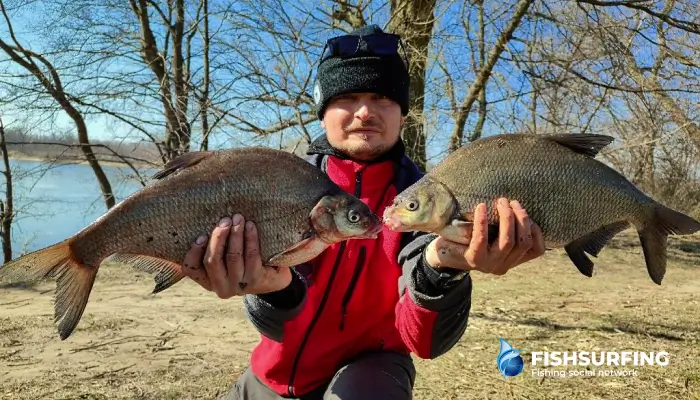
Bream in still water
In ponds and reservoirs, bream rarely stay right by the shore (unless it is a specific time of year). You will usually find them where there is calm and stable depth.
It is good to start looking:
- in medium to greater depths, where the water is more stable
- at the edges between shallow and deep water, which act as natural routes of movement
- near the old riverbed, if it is marked on the dam
- in calmer areas without strong winds and waves
Bream like the security of the bottom. If you find a transition from a flat surface to a slight break, it is a very strong spot. Schools often pass along these lines. It is also true that larger bream often stay a little deeper than smaller ones. If you are only catching small fish, try a few meters further away or deeper.
Bream in rivers
In rivers, bream do not like to fight the main current. They are not fish that stand in strong currents, but rather seek out places where the current slows down but still brings food.
Focus on:
- slower currents away from the main stream
- deeper pools where the water is calmer
- sections below weirs, where food accumulates
- places at the edge of the current, where faster water meets calmer water
How to feed bream
Feeding is absolutely essential for bream. It is not enough to just cast your bait and wait. The goal is to create a spot on the bottom where the school returns and has a reason to stay. The great advantage of a feeder is that it allows you to feed accurately and repeatedly in the same place.
Bream react to scent trails and small particles that are slowly released from the feeder. The aim is not to fill the fish up, but to keep them active and encourage them to search for food.
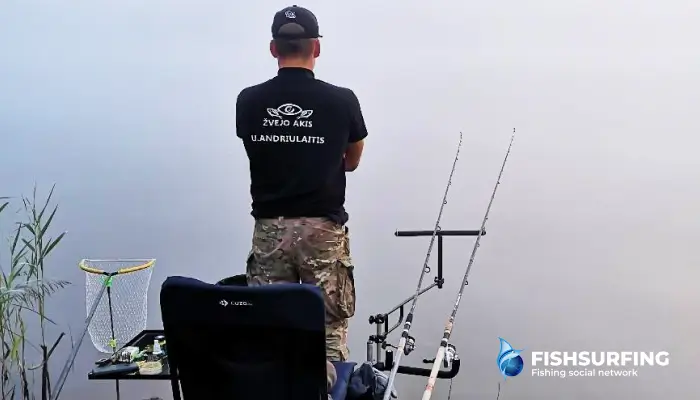
Principles of feeding bream
- Feed precisely in one spot. Each cast should land at the same point. If you scatter the feed over an area, the shoal will disperse and the bites will be irregular.
- Use finer mixtures with smaller particles. Bream like to collect small particles from the bottom. Fine feed creates a "carpet" that keeps them busy and lasts longer than coarse pieces.
- Do not overfeed. A large pile of food can quickly fill the shoal. The goal is for the fish to search for and respond to the bait, not to eat their fill from the feed.
What to add to the mixture
A combination of a basic mixture with a live or visible component works very well:
- worms activate fish
- corn provides a more substantial bite
- small pellets work gradually
Adjust the amount of feed to the activity of the fish. When the bites come regularly, keep the rhythm. If they stop, try adding a little more or changing the composition.
The rhythm of casting
Feeder fishing for bream is all about regularity. Once you lose the rhythm, you often lose the fish. Therefore, remember to cast regularly (for example, every 5-10 minutes without a bite), which will help you maintain the scent trail and activity of the school.
The best baits for bream
Bream are not particularly picky fish. When a school comes across food, it will take almost anything that looks natural. However, there are situations where a small detail can determine whether you get a bite right away or not at all. What matters most is the right size, presentation, and response to the current activity of the fish.
What works best for bream
- Worms (1–3 pieces) – An absolute classic. Worms are natural, mobile, and very attractive to bream. One piece is ideal for cautious bites, while more pieces work better when the fish are more active.
- Corn – A more substantial bite that is good for selecting larger bream. It works mainly in warmer water, when fish accept more plant matter.
- Worm + corn combination – A very effective option. The worm provides movement, the corn provides volume and color. It is often this combination that makes larger fish bite more decisively.
- Small pellets – Work well if you also use them in feeding. They are more selective and less attractive to small fry.
How to choose bait according to conditions
With bream, it is not only the bait itself that matters, but also the conditions at the water. Water temperature, season, and current fish activity significantly influence what they will respond to more readily. What worked last week may not work today.
In colder water, animal-based bait usually wins out – i.e., worms or combinations thereof. Bream are less active, move more slowly, and respond more to natural smells and subtle movements than to distinctive or large bites.
In warmer water, corn, sweeter variants, or combinations with pellets often work well. Fish are more active, feed more, and are not afraid of slightly larger bait. In summer, you can be a little bolder than in spring or fall.
The size of the bait is crucial
When fishing for bream, the size of the bait is often an underestimated detail. Yet it is precisely this that determines whether the fish will take the bait without hesitation or just try it and let it go.
Adjust the size of the bait to how the fish react:
- Cautious nibbles? Reduce the size of the bait. A more subtle presentation often removes the mistrust of larger bream.
- Strong, confident bites? You can slightly increase the size of the bait. This will help eliminate small fish and attract better specimens.
- Are only small fish biting? Go for a more selective combination. Try corn with a worm, for example, or a larger bait that the small fish won't dare to touch.
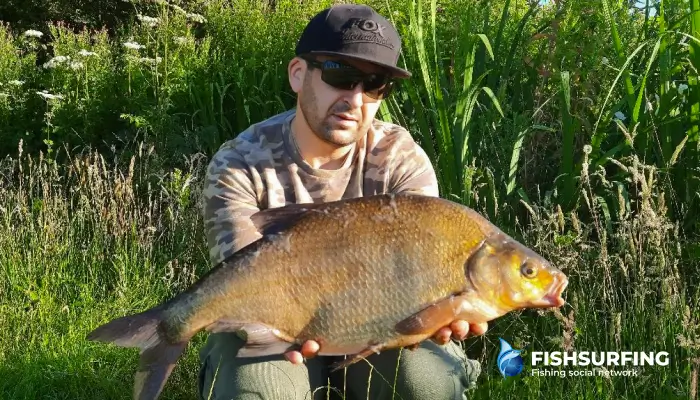
How to recognize a bream bite
A bream bite has a typical pattern, and once you recognize it, you will be able to distinguish it from small white fish or accidental touches. It is not a sharp tug like with a predator, but rather a gradual tapping of the bait.
It often starts inconspicuously. The tip of the feeder vibrates slightly as the bream sucks in the bait and tries it out. Then comes a slow, smooth bend towards the water. It is a continuous, confident pull.
Sometimes the bite is even gentler. The tip just bends slightly or remains taut without any significant movement. This is usually the moment when the bream has the bait in its mouth and is testing it. If the tension continues or begins to increase smoothly, it's time to strike.
How to set the hook correctly
The hooking should be calm and smooth, not abrupt. Bream do not have a hard mouth like pike or zander, and if you hook too sharply, you may tear out the hook. Just lift the rod and maintain contact.
Larger bream tend to bite more confidently and pull more strongly. Smaller fish, on the other hand, often just vibrate or briefly tighten the tip. The more you observe the bites, the easier it will be to distinguish between small fish and something more interesting waiting for you at the other end.
The most common mistakes when fishing for bream
Bream are not among the most difficult fish to catch, but small mistakes can completely stop the bites. With a feeder, it is often not a major mistake, but details that gradually add up.
- Too rough a setup – Strong line, large hooks, or heavy feeders can be unnecessarily conspicuous. Bream are shoal fish, but larger specimens can be very cautious. A finer leader and natural presentation will therefore often bring more bites.
- Inaccurate casting – If each cast lands in a different place, the fish will scatter and the school will not stay in one place. The feeder works precisely because you build a feeding spot at a specific point, so accuracy is essential.
- Overfeeding the spot – Too much feed can quickly fill the bream. Instead of actively searching for bait, they just pick up what is lying around. It is better to feed less, but regularly.
- Waiting too long without recasting – When nothing happens for a long time, the scent trail weakens and the school may move on. Regular recasting helps to maintain activity and the rhythm of fishing.
Bream, feeder, and patience
Feeder fishing for bream is not complicated, but it requires a system. Find the depth, feed accurately, and maintain a regular rhythm. If you are lucky and the school settles, the bites can come literally one after another. And that moment when the tip starts to bend slowly and you know that there is a whole school of bream below you? That is exactly why feeder fishing for bream is so popular.