


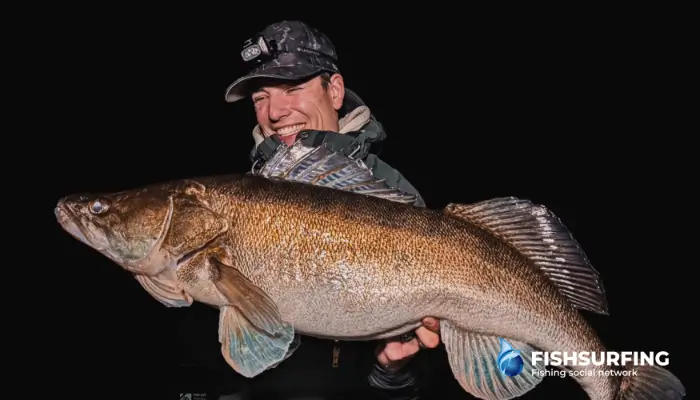
Night fishing has a completely different atmosphere than a typical daytime outing. It’s quieter by the water, the hustle and bustle around the fishing spot dies down, and many fish become more active just as darkness falls. For many anglers, nighttime is when the best bites happen—the biggest carp or the most thrilling fights with zander or catfish. But precisely because night fishing is different, it requires different preparation.
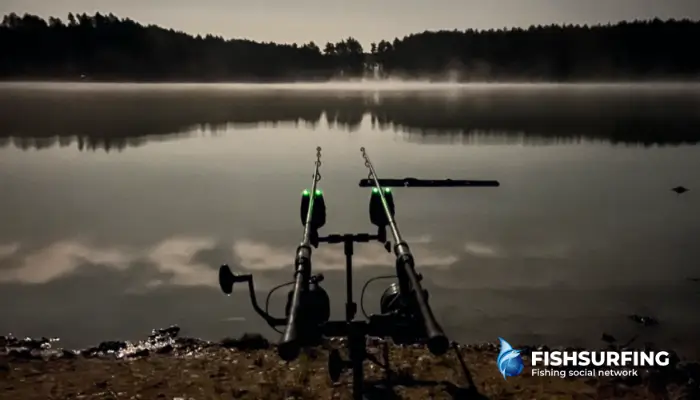
What Makes Night Fishing Great
Not every fish automatically becomes an active hunter when night falls, but for a wide range of species, night fishing makes a lot of sense. During the day, it’s usually bustling by the water—the banks are crowded, the sun is blazing, and the bright light, combined with activity around the fishing spot, makes the fish much more cautious.
But as soon as the sun sets, conditions change dramatically. Fish lose much of their wariness, leave the safety of deeper channels, and begin feeding very close to the banks—a place they wouldn’t dare go during the day.
The Psychology of Night Fishing
In addition to its biological advantages, night fishing also has a significant psychological dimension. The entire fishing process naturally slows down and becomes quieter at night. The angler begins to perceive the water and the sounds of nature much more intensely, and every movement of the bite indicator or the rod tip carries a completely different intensity in the darkness than it does in daylight. For many anglers, the adrenaline rush of a nighttime bite is addictive precisely because of that moment of surprise in absolute silence.
When Night Fishing Makes the Most Sense
Night fishing is certainly not a universal recipe for success that works every time, everywhere, and for every fish alike. However, there are specific situations, seasons, and fish species for which the chances of landing the catch of a lifetime increase significantly after dark.
In the summer and on hot days
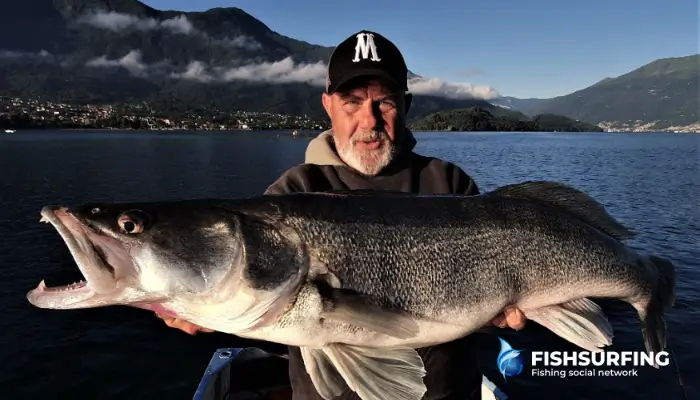
Summer is the absolute peak of the season for night fishing. The reason is purely biological. During hot, sunny days, the water—especially in stagnant waters and shallow areas—overheats. Warm water holds significantly less oxygen, which causes fish to become lethargic. Most species, including large carp and predators, retreat during the day to deeper, cooler layers or to spring outlets, where they simply rest passively and conserve energy.
As soon as the sun sets and the water surface begins to cool, the entire ecosystem comes to life. The water becomes oxygenated, and the fish begin to actively search for food. For anglers targeting carp, zander, and catfish, summer nights are often the only chance to get a bite during the sweltering months of July and August.
When there’s heavy activity by the water during the day
Many popular and easily accessible fishing spots are extremely busy during the day. People walk along the banks, anglers cast heavy feeders, boats cruise the surface, and vacationers swim during the summer months. Fish—especially the older, more experienced ones—strongly associate this noise with danger. They become extremely cautious and, during the day, will practically never come within rod’s reach of the shore.
At night, however, this pressure disappears almost immediately. The commotion along the banks subsides, the vibrations from boat engines cease, and the fish lose their wariness. It often happens that a fish, which had been hiding at a safe distance during the day, swims right up to the tips of your rods in search of food. Night fishing therefore makes the most sense in exposed waters, where daytime tranquility is practically unheard of.
When targeting species that are active at night
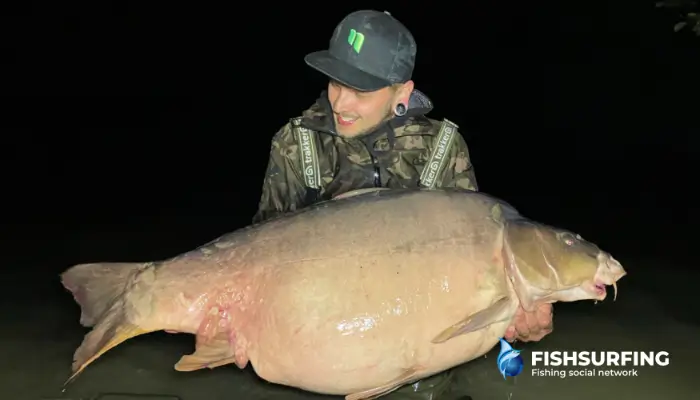
If your target fish is a specific species that is active at night, then darkness isn’t just a nice bonus—it’s a necessity. Zander is a typical twilight and nocturnal predator, catfish tend to be very active on warm nights, and carp often venture out in search of food just after dark. So if you’re targeting these “night shift” species, nighttime is the most important aspect of your fishing trip.
Which Fish Are Caught Most Often at Night
The darkness of night changes the rules of the game. While some fish species become lethargic as night falls, for others, prime feeding time begins. If you’re planning a night fishing trip, you should tailor your tactics and choice of fishing spot to the very species that leave their hiding places under the cover of darkness.
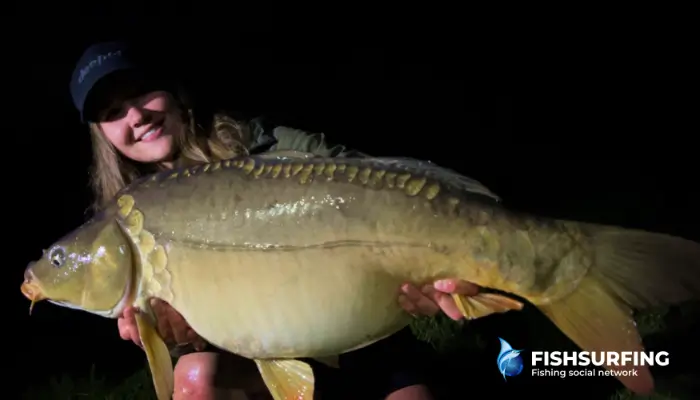
Carp
Night carp fishing is one of the most common and popular nighttime fishing disciplines. Carp are often bolder at night; they swim closer to the banks and respond better to bait placed gently in a well-prepared spot.
A major advantage is that night carp fishing doesn’t have to involve constant activity. Once you’ve prepared your spot, tested your rigs, and planned your baiting strategy, it’s often at night that you’ll get that bite you’ve been waiting for all day.
Zander
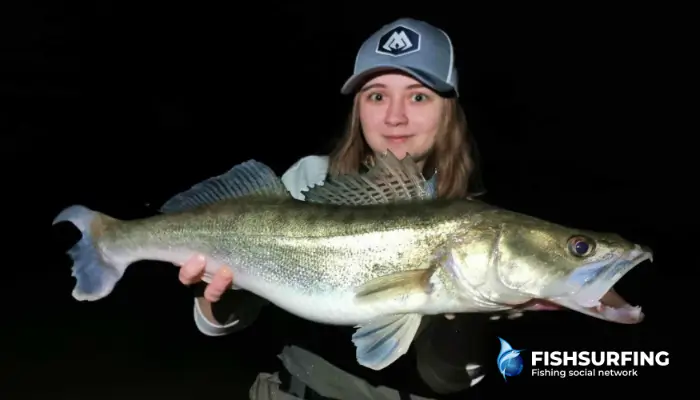
Zander is a fish that makes it worth staying by the water until dark, even when almost nothing worked during the day. During the day, it tends to be cautious, staying deeper and striking discreetly. At dusk and at night, however, it often moves into shallower areas and is more willing to strike.
Nighttime zander fishing works well with both live bait and active trolling. This is especially true along edges, at breakpoints, and in areas where small fish are present.
Catfish
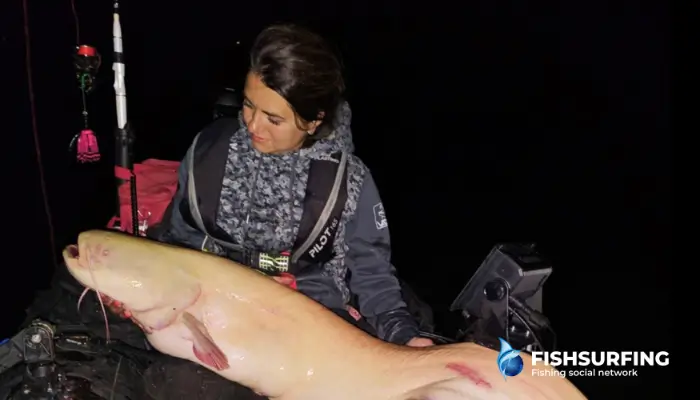
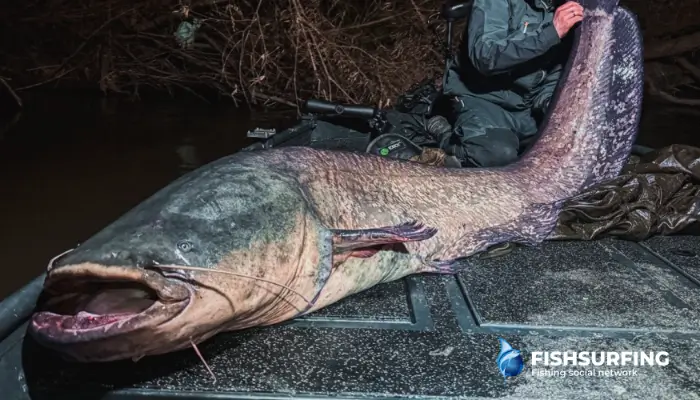
A warm night and calm water are a very potent combination for catfish. If catfish are present in the water and the conditions suit them, nighttime offers the best chance of a bite. Catfish benefit from the darkness, less activity, and the fact that their prey is less cautious.
Night catfish fishing, however, is a highly specialized and technically demanding discipline. It requires uncompromisingly strong gear, because landing a 1-metric-kilogram fish in complete darkness is a huge challenge for both the angler and their equipment.
Choosing the Right Spot for Night Fishing
The success of a night fishing trip begins with the map and the choice of location. When selecting a fishing spot, consider not only the presence of your target fish but also the logistics on the shore and, last but not least, applicable laws. A poorly chosen spot can cost you, at best, tangled rigs at night; at worst, a fine or even injury.
Night Fishing in Still Waters
Still-water spots like reservoirs and sand pits are best for beginners at night due to the absence of current and easy navigation. After dark, the fish actively move out into the warmed-up shallows, where you can quietly set up your feeding spot while it’s still light out. Furthermore, a solid bank provides a safe base for overnight camping and for handling your catch with care afterward.
Specifics and Risks of Night Fishing in Running Waters
Rivers present a much greater challenge for night fishing and require an experienced angler. The current is constantly tugging at your line, and in the dark it’s very difficult to tell whether a branch or grass carried by the water has become entangled in your rig. Navigating running water after dark is also difficult due to the rugged banks and varying depths. Just a few steps off course, and you could find yourself in a dangerous situation on a slippery slope.
If you do decide to go night river fishing, choose sections you already know very well from daytime fishing. Focus on calmer areas downstream, deeper pools, or eddies, where fish like to rest and forage at night.
Regulations Governing Night Fishing
This section is essential for every angler. In the Czech Republic, fishing hours are governed by a decree. They vary depending on whether the area is a non-trout or trout fishing zone, as well as the time of year. In non-trout waters, fishing is generally permitted from 4:00 a.m. to midnight from April through September, so evening and part of the night can be spent fishing in full compliance with the rules.
Fishing past midnight, however, is a different matter. If you want to fish all night long, you must verify in advance whether a specific fishing area has been granted an exemption from the ban on fishing outside of daytime hours or is subject to another special regime specified in the area’s regulations. It is precisely these exemptions that allow 24-hour fishing in selected waters, though usually only under strictly defined conditions.
What to Bring for Night Fishing
Night fishing stands or falls on preparation. During the day, you can usually find things, improvise, or quickly pull them out of your bag. At night, any lack of preparation leads to chaos.
Light and Orientation
Without a reliable headlamp, night fishing turns into chaotic confusion. A high-quality light source with a long battery life is an absolute must—it’s not worth skimping on. It’s also ideal to have spare batteries or a backup flashlight on hand in case of an unexpected malfunction.
The key to success, however, is using the light beam wisely—the goal is to see what you’re doing at the rods without unnecessarily dazzling the entire surroundings or the water’s surface. Excessive lighting and constantly shining a headlamp into the distance are among the most common mistakes made by beginners, which can reliably scare cautious fish away from their feeding spots.
Clothing
Even during the hot summer, a night by the water can be unexpectedly chilly. Long hours of inactivity combined with high humidity rising from the water’s surface cause the perceived temperature to drop much lower after midnight than you might expect. An extra warm layer, a high-quality waterproof jacket, and a hat are often more important at this time than another box of lures.
Equipment for Hooking and Handling Fish
In complete darkness, every second counts, and all essential gear must have its designated spot. The landing net, fish grippers, fish mat, and measuring tape must be ready for immediate use. There’s nothing worse than the moment when, after a long wait, you finally get that dream bite, successfully reel the fish in toward the shore, and only then start frantically searching for your headlamp or landing net, which you’ve left behind in the grass.
Comfort and Organization of the Fishing Spot
Details such as a full thermos of hot tea, plenty of drinking water, insect repellent against pesky bugs, or a comfortable fishing chair significantly affect your mental well-being. Night fishing is more physically demanding than a short afternoon outing, and staying focused for several hours straight requires certain amenities. A well-organized spot where you have everything at your fingertips—from food to spare leaders—will allow you to stay calm and fully focus on the water.
How to Properly Set Up Your Spot While It’s Still Light Out
This is perhaps the most important part of the entire night fishing experience. Whatever you don’t prepare while it’s still light out will very likely catch up with you in the dark.
Before it gets dark, you should know:
- where you’ll be casting
- which route you’ll take to land a fish, if necessary
- where a safe access point to the water is
- where you’ll place your landing net
- where you’ll keep your headlamp, fish nippers, and other gear
- and what you’ll do when you get a bite
Night fishing isn’t the time to be exploring the terrain. If you don’t know where the bank edge is, or where there are rocks, roots, or other obstacles, you’re asking for trouble. It’s also a good idea to have your rigs ready in advance, your leaders checked, and your gear organized. Chaos that can be managed during the day tends to be much more stressful at night.
Night fishing is all about preparation
During the day, you can often get by with improvisation. At night, much less so. That’s precisely why the most important part of night fishing isn’t what happens after dark, but what you can get done while it’s still light out. A prepared spot, well-thought-out gear, a clear plan, and knowledge of the fishing spot are far more important than the notion that the fish will automatically bite at night.
But when everything comes together, night fishing is one of the most intense experiences angling has to offer. The water grows still, you focus more intently on every detail, and a bite in the dark has a completely different intensity than during the day. And that’s exactly why so many anglers return to night fishing time and time again.