




Ground rig, feeder and method feeder – how to choose your tackle?
In previous articles we have already covered how to choose your first fishing rod, reel and basic tackle setup. Now it’s time to take the next step and look at more advanced setups - specifically, bottom fishing rigs.
In this article, we’ll cover the most popular types: the classic bottom rig, the feeder and the method feeder, which has gained enormous popularity in recent years.
Choosing the right bottom rig can have a direct impact on your fishing effectiveness. A well-matched setup not only increases your chances of getting more bites and catching more fish, but can also significantly improve your chances of landing the biggest specimens.
Main line
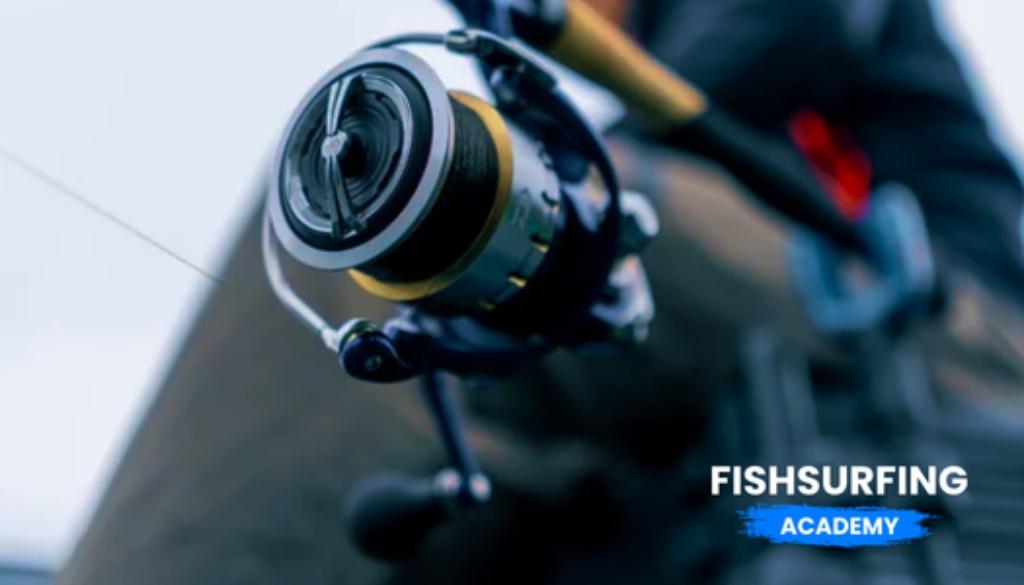
The main line is the fishing line spooled onto your reel, running through the rod guides all the way to the terminal tackle - but you already know that. One of the key factors to consider is the line’s diameter and strength. When bottom fishing, choosing a slightly thicker line is generally a good option, starting at around 0.20 mm.
The line diameter should be matched not only to the type of rig you are using, but also to the species you are targeting. A line that is too thick can make it harder to detect delicate bites, especially when targeting smaller fish such as roach.
Feeder basket
The terminal rigs themselves can vary depending on the exact method you are using:
Classic bottom rig – this setup uses a standard lead weight, a spring feeder or a feeder basket mounted on an anti-tangle tube. The weight should be selected according to the fishing spot, distance, and target species. When fishing for roach in a lake, for example, a lighter weight will usually be sufficient, while targeting bream on a large river may require a much heavier one.
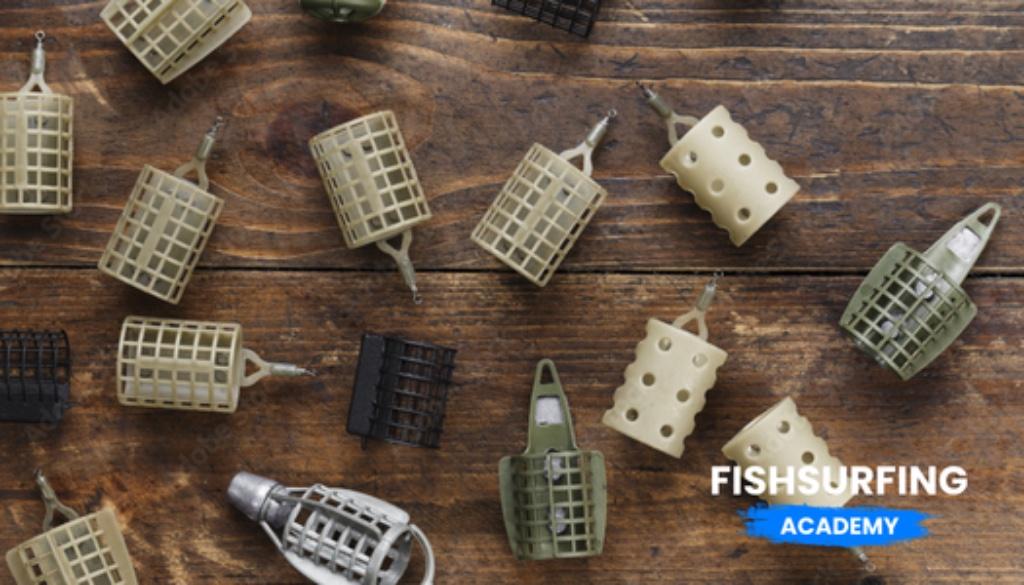
Feeder – instead of a lead weight, a weighted feeder basket is used. Feeders differ in weight, shape and mesh density. A more open mesh releases the groundbait more quickly.
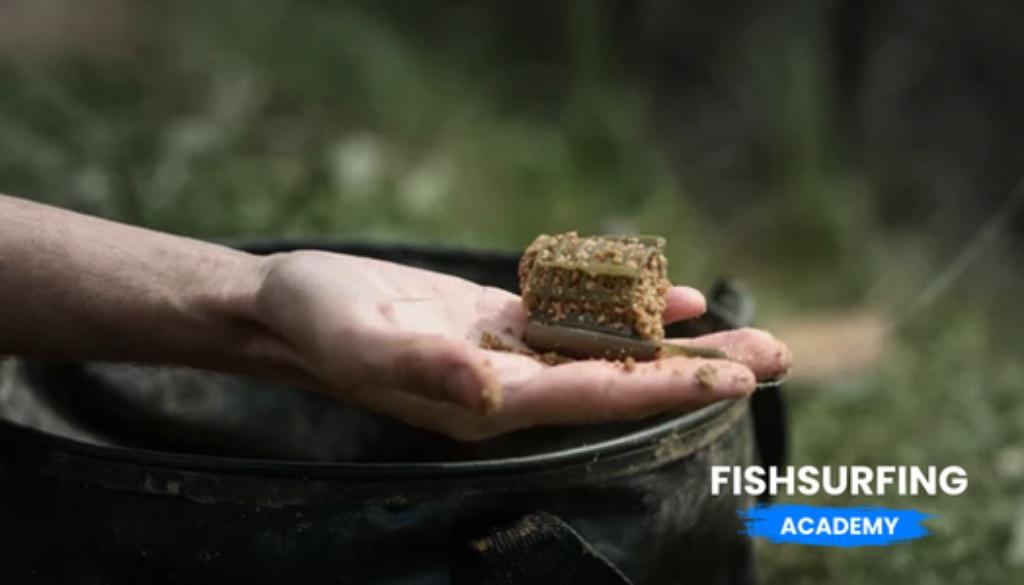
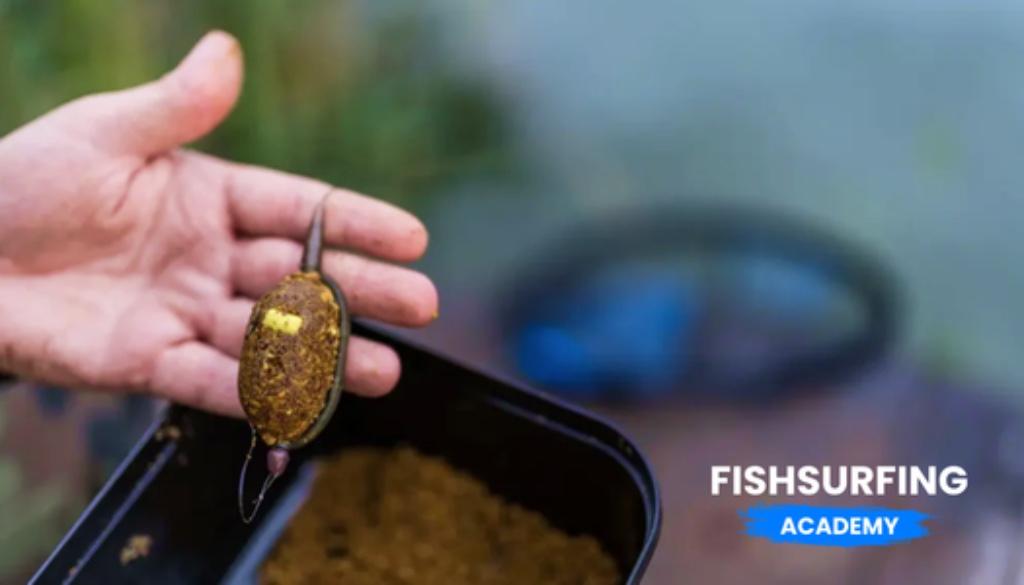
Method feeder – this is a special, flat feeder with an integrated weight. Groundbait is moulded around it using a dedicated mould, with the hook bait and rig concealed within the groundbait. Method feeder fishing is particularly effective when targeting bream, carp, crucian carp, big roach and other species where precise and accurate groundbait presentation is important.
When starting out, it is worth choosing a lighter weight that allows you to easily detect bites while still being heavy enough to achieve the required casting distance.
How to detect a bite
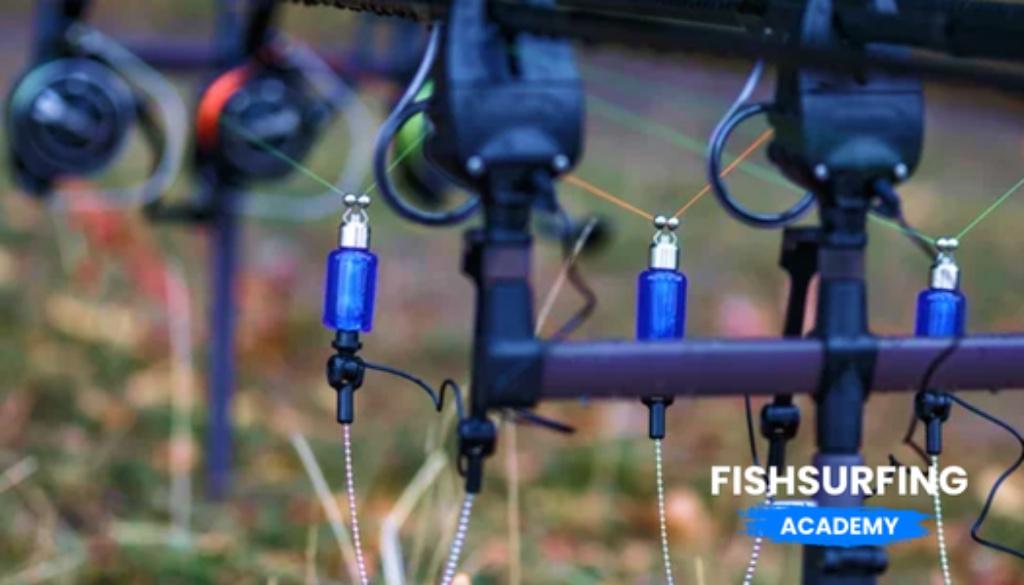
Unlike float fishing, where bites are clearly indicated by the movement of the float, bottom fishing, feeder and method feeder setups use different bite indicators:
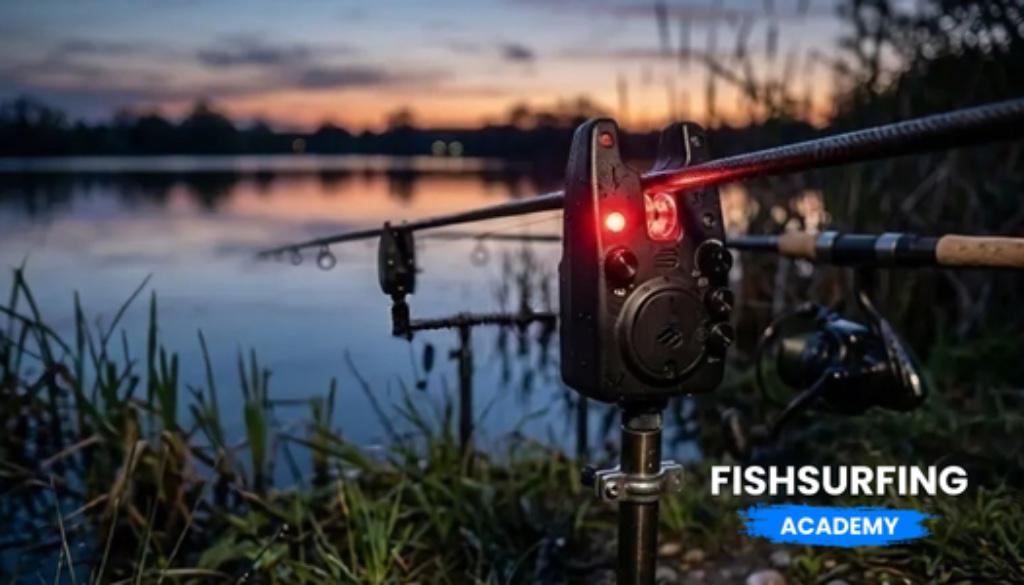
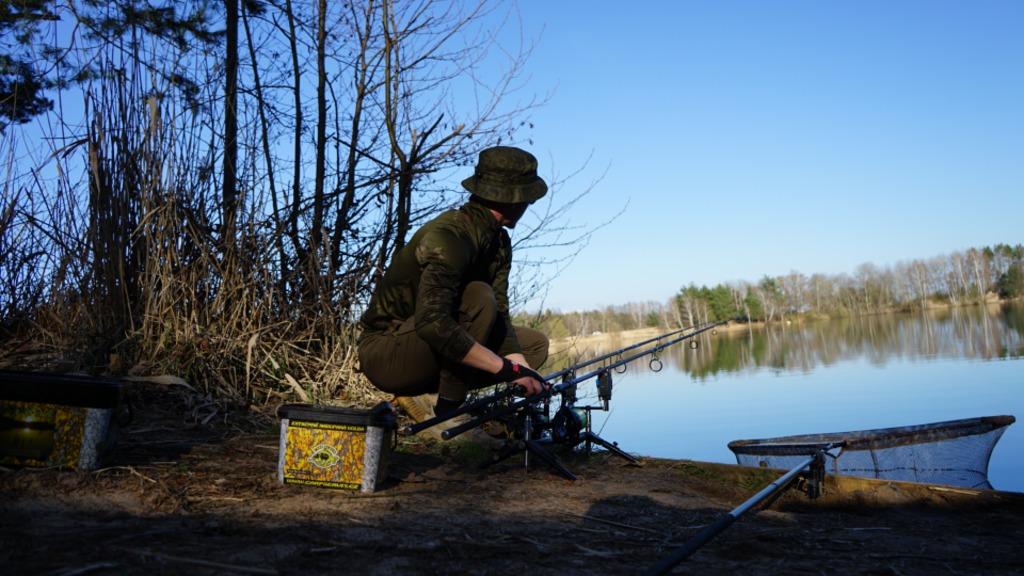
Classic bottom fishing – bites are indicated by a mechanical bite indicator, often used together with an electronic bite alarm that produces an audible signal when a fish takes the bait.
Feeder and method feeder fishing – bites are detected through movements of the rod tip. Nowadays, anglers can also use bells, isotopes or special light bite indicators designed to be attached directly to the rod tip.
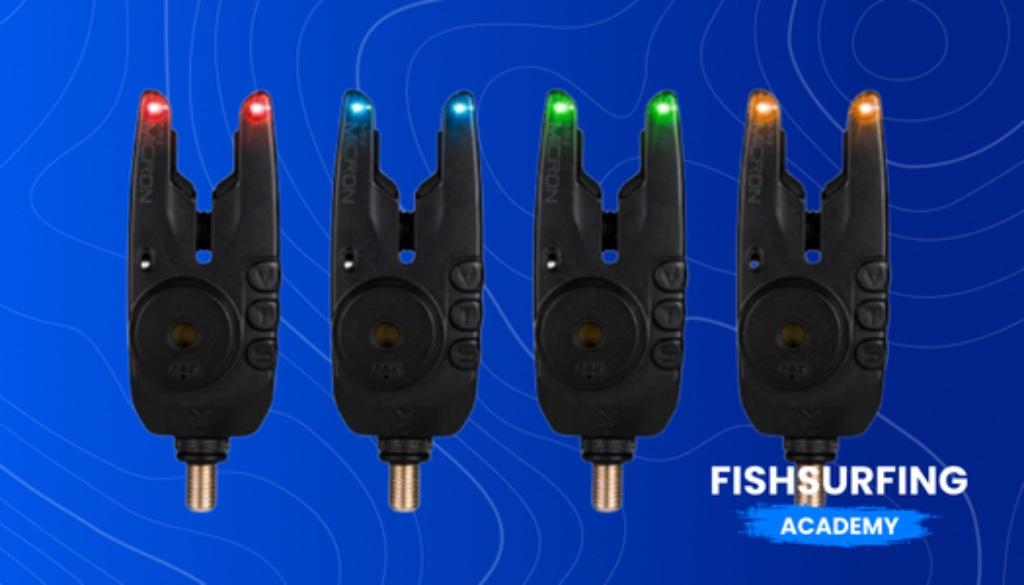
Types of rod tips
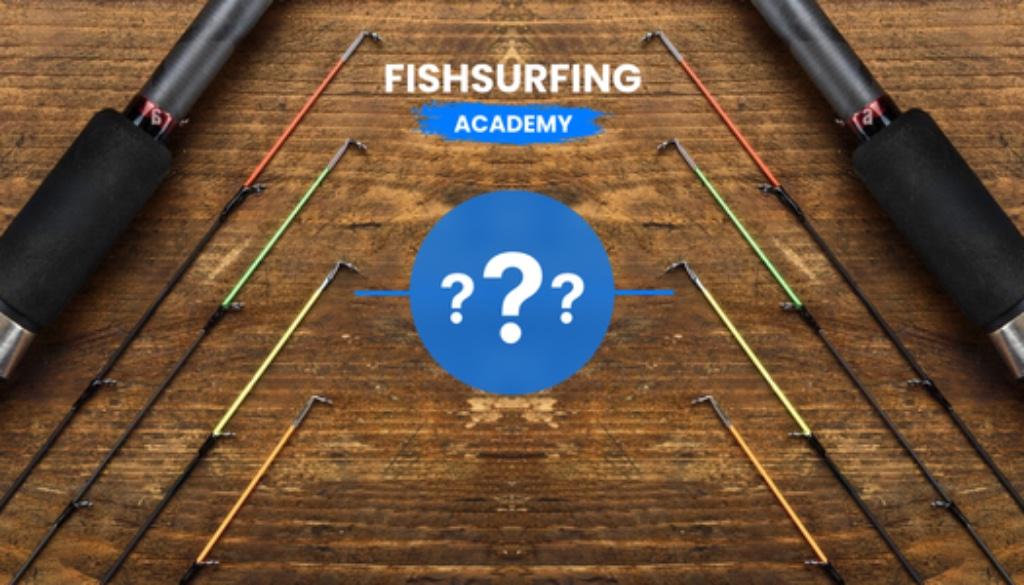
Not all rod tips are the same. They differ not only in the colors used at the tip, but above all in their stiffness. This affects not only casting, but also bite detection. Softer tips work well in calm water and when targeting smaller fish with delicate bites. Stiffer tips are needed in stronger currents or when using heavier feeder baskets, so that the tip does not bend excessively under the weight of the feeder and the force of the current.
The rule is simple: the rod tip should be soft enough to respond clearly to a bite, but stiff enough not to bend excessively under the weight of the feeder and the current alone.
Rigs
The rig is a short section of line connecting the main line to the hook. When fishing with a typical feeder or bottom rig, a thinner line is usually used for the leader than for the main line. With method feeder setups, however, leaders are typically made from braid or fluorocarbon.
Using a thinner leader serves two purposes. First, it provides a more natural presentation - a thin, almost invisible line close to the hook is less likely to spook cautious fish. Second, it acts as the weakest link in the setup. If the hook becomes snagged on an obstacle, the leader should break first, rather than losing the entire main line and terminal setup.
For bottom and feeder fishing, leader lengths typically range from 15–40 cm. Method feeder setups generally use shorter leaders, around 10–20 cm, as the rig is designed to work close to the groundbait. A leader of around 20 cm is a safe and versatile choice for most situations.
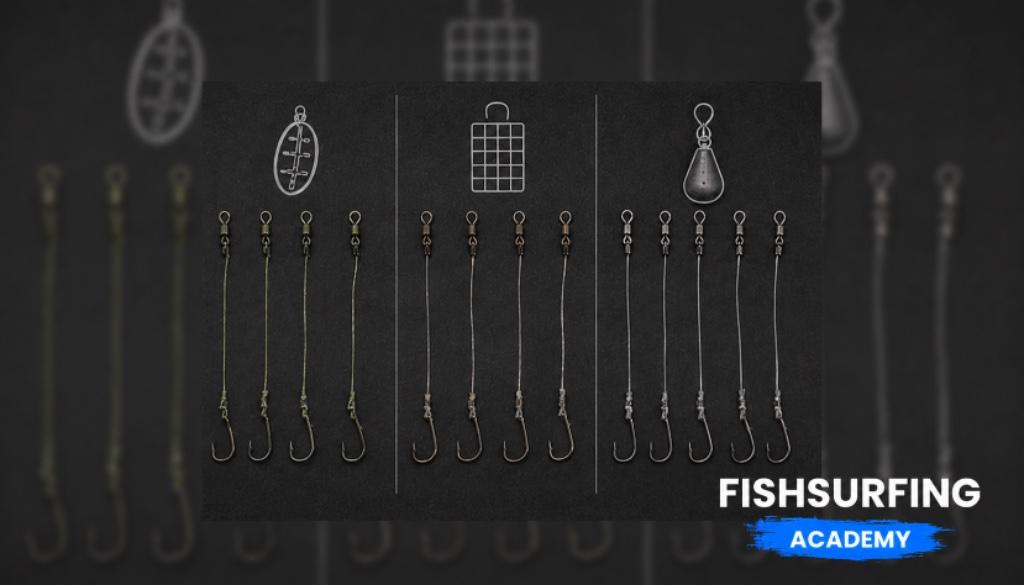
Hook
Remember that hook sizes work in reverse: the smaller the number, the larger the hook. For roach, small bream and other smaller fish, sizes 14–10 are a good choice. For larger fish such as carp, tench, or bigger bream, sizes 10–6 are more suitable.
For method feeder fishing, small but very strong hooks are recommended. Ready-made method feeder leaders with suitable hooks are also widely available in fishing tackle shops.
The choice of hook should also depend on the bait you are using. The smallest sizes work well with single maggots or other small baits, while larger hooks are better suited to bigger baits.
How to set up a classic bottom rig and feeder?
How do you assemble a classic bottom rig with a feeder basket or lead weight?
- Slide a rubber stopper onto the main line if desired, followed by a dedicated anti-tangle tube. The stopper is optional.
- Add another rubber stopper. This is also optional, but it helps protect the knot. Tie on a swivel.
- Attach the leader to the other end of the swivel.
- Slide the feeder basket, spring feeder, or simple lead weight onto the anti-tangle tube.
How to set up a method feeder rig?
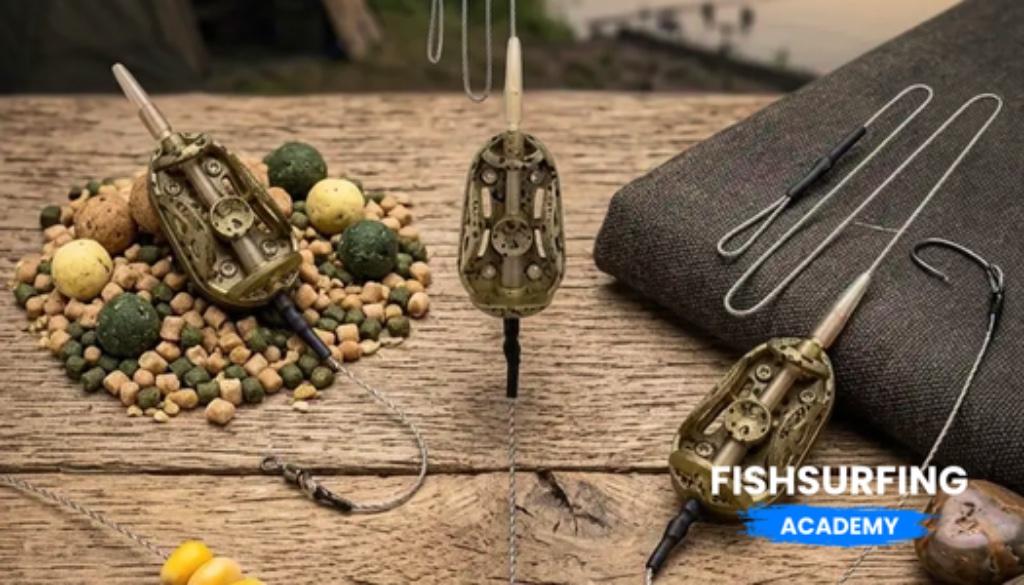
The second type of rig is not necessarily more difficult to assemble - it is simply different. Here’s how to set it up:
- Thread the method feeder onto the main line.
- Tie a loop in the main line and attach it to a dedicated connector, or tie the line directly to a swivel.
- Attach the leader to the other side of the connector.
- Don’t forget to get a mould for shaping the groundbait around the feeder.
Summary
A well-constructed bottom or method feeder rig is not complicated at all. These setups differ from float fishing and from each other, but with a little practice, anyone can quickly get the hang of them. For most beginners fishing in still or slow-moving waters, the following setup will work well in a wide range of situations:
- Main line: 0.22 mm monofilament
- Feeder: 20 g feeder basket or 20 g method feeder
- Rod tip: medium tip (a versatile all-round option)
- Rig: 20 cm of 0.16 mm line
- Hook: size 10–12
Start with a simple setup, watch how the rod tip responds and react to bites in time. Adjust the feeder weight and leader length to suit the conditions. Your ability to read the rod tip and fine-tune your setup will improve with every trip to the water - and there’s nothing more satisfying than seeing that unmistakable twitch that signals a bite.