


In our previous articles, we discussed how to choose your first fishing rod, reel, and basic bottom, feeder, and method feeder setups. Now it’s time to focus on another equally important element of successful fishing - groundbait.
A well-chosen and properly prepared groundbait can make a huge difference when fishing for coarse fish. Its purpose is not only to attract fish but also to keep them in the swim for as long as possible. In this article, we will explain what groundbait is made of, how to adapt it to the prevailing conditions, and what additional ingredients you can add to it.
What is groundbait?
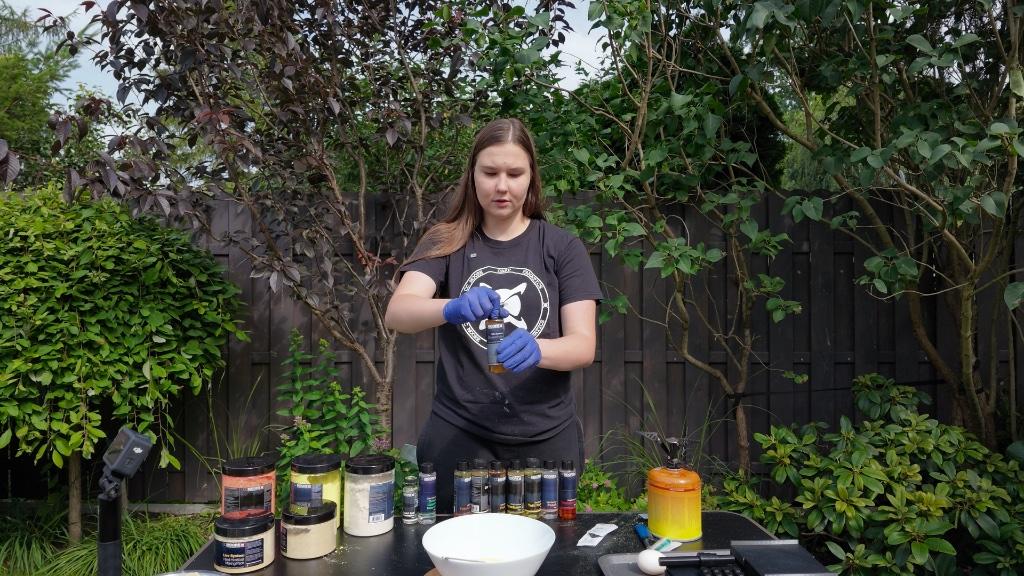
Groundbait is essentially a food source for fish, with the main purpose of attracting them to the area around our rig and keeping them in the swim for as long as possible. It can take many forms - from ready-made dry mixes available in fishing tackle shops, which only need to be prepared with water, to mixes enriched with ingredients such as pellets, sweetcorn, maggots, pinkies or cooked particles.
The type and composition of the groundbait should primarily be matched to the species of fish we intend to target. The time of year, water temperature, conditions on the venue are also important factors. Properly selected groundbait can not only effectively attract fish but also help keep them feeding in the swim.
Groundbait consistency
One of the most important aspects of properly preparing groundbait is getting the moisture level right. A mixture that is too dry may break apart during the cast, while groundbait that is too wet and compacted may fail to release properly from the feeder, if one is being used.
Groundbait should be moistened gradually by adding small amounts of water from the venue and mixing everything thoroughly. It is then worth leaving the mixture to rest for a few minutes so that all the ingredients can absorb the moisture properly. Only after this resting period should you assess the consistency and, if necessary, add a little more water.
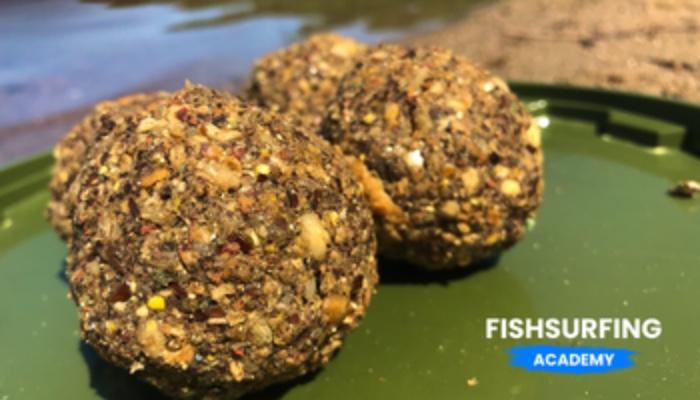
A simple way to check the consistency is to squeeze a handful of groundbait in your hand. It should form a ball easily and hold its shape, but at the same time break apart when lightly pressed with a finger.
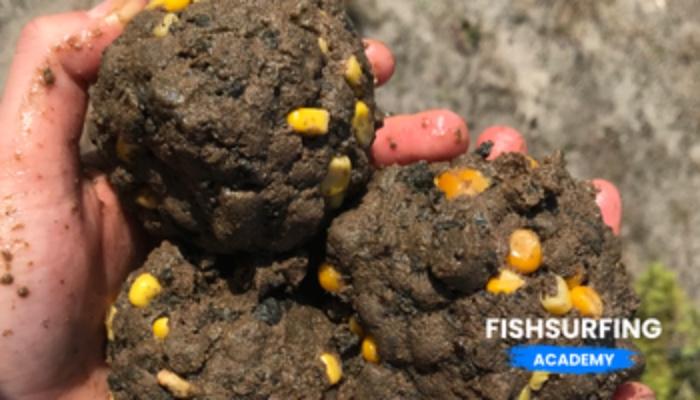
Once the groundbait has been prepared to the desired consistency, it is worth passing it through a sieve. This helps remove any lumps, distribute the moisture evenly and further aerate the mixture, giving it a lighter and fluffier texture.
Groundbait Additives
In addition to the base, meaning the main dry mix described above, various additives can be used to enhance groundbait. Some are selected depending on the conditions, such as a strong current in a river, while others are used primarily to increase the attractiveness of the groundbait and improve our chances of effectively attracting fish.
Clay and gravel – increase the weight of the groundbait and help it reach the bottom more quickly. They are particularly useful in flowing water, where a strong current can carry lighter groundbait away.
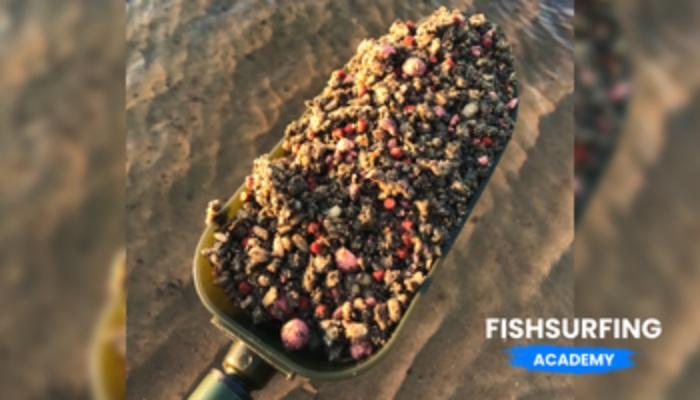
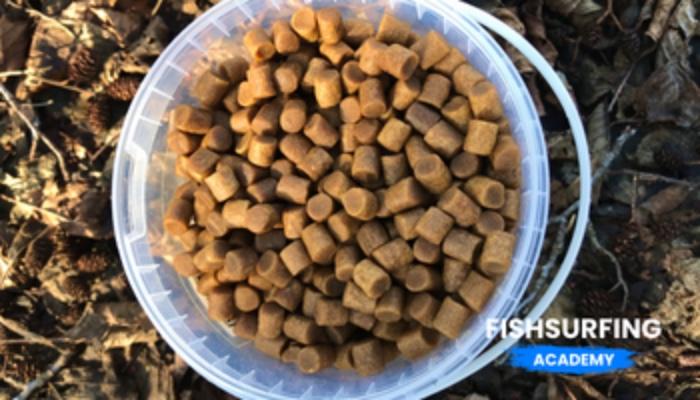
Coarser particles – such as pellets, crushed boilies or larger particles, add variety to the groundbait and can help keep fish in the swim for longer.
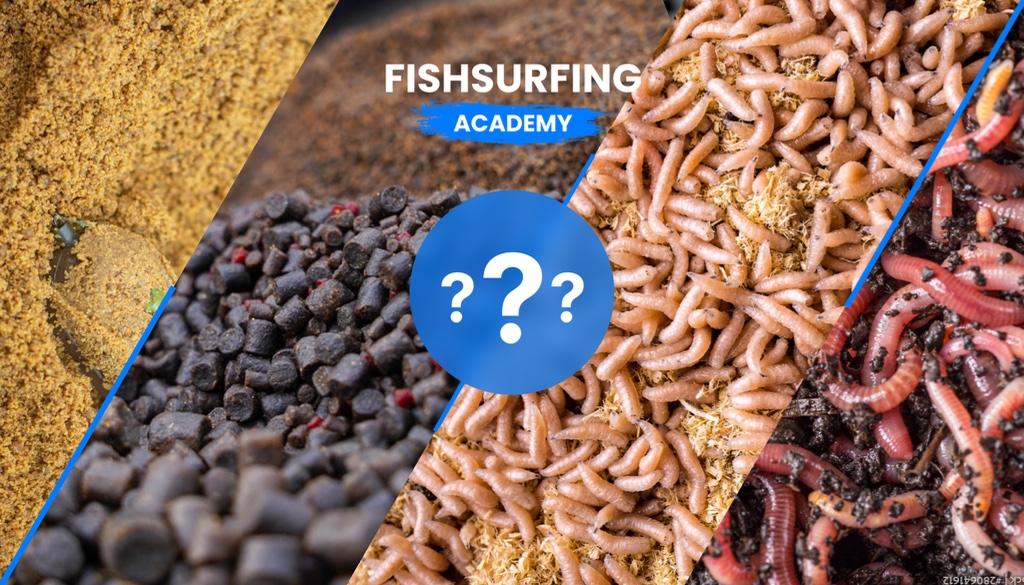
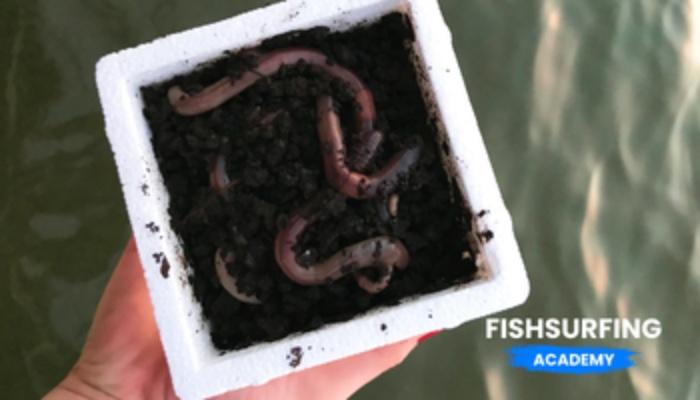
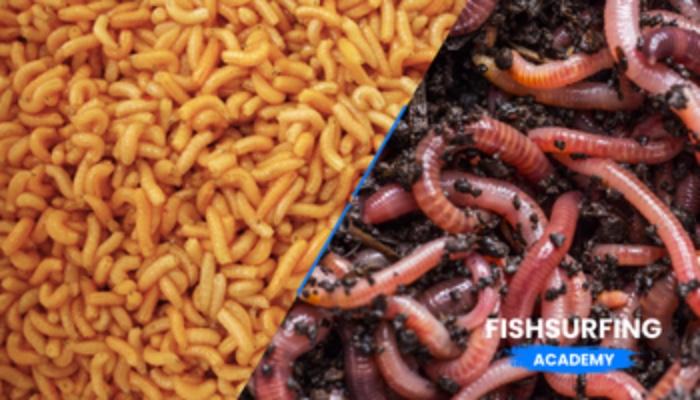
Worms and maggots – chopped worms, pinkies, casters and maggots provide an attractive food source for fish while also increasing the nutritional value of the groundbait.
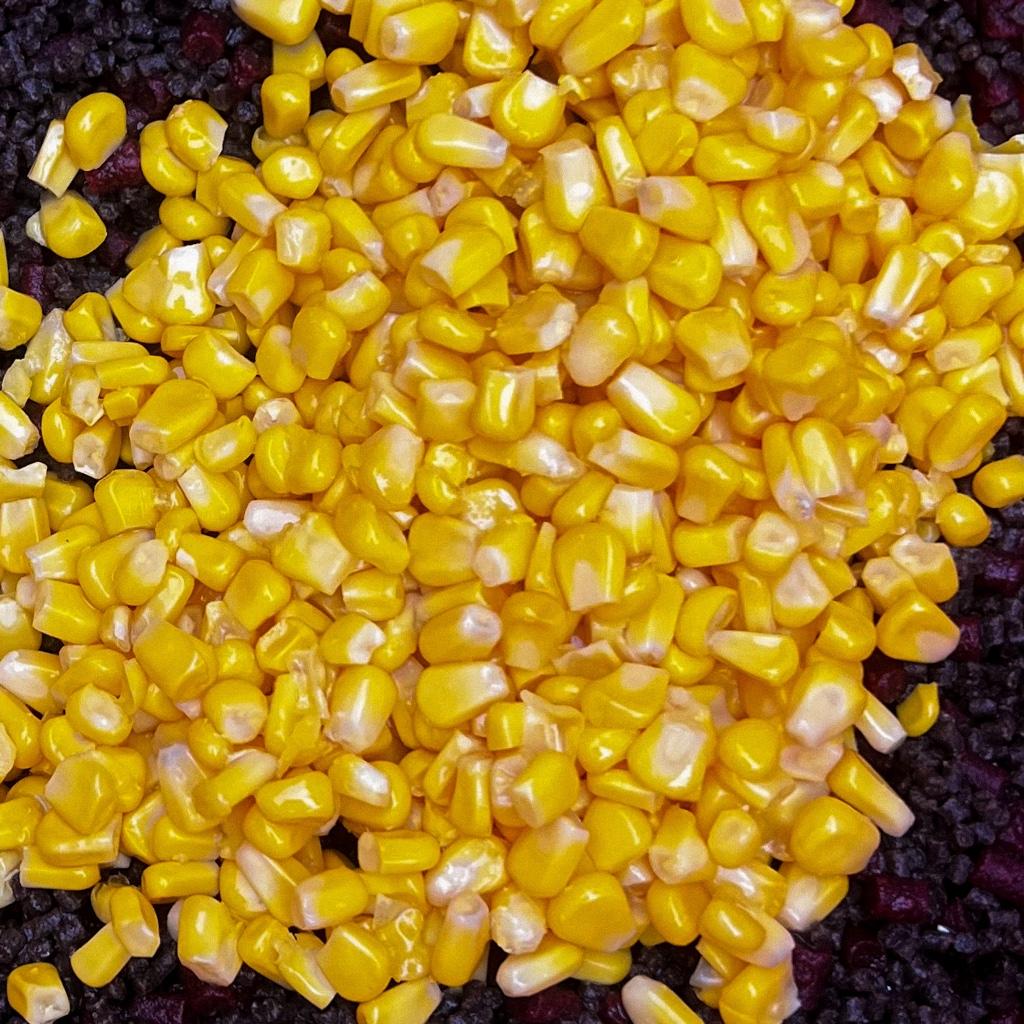
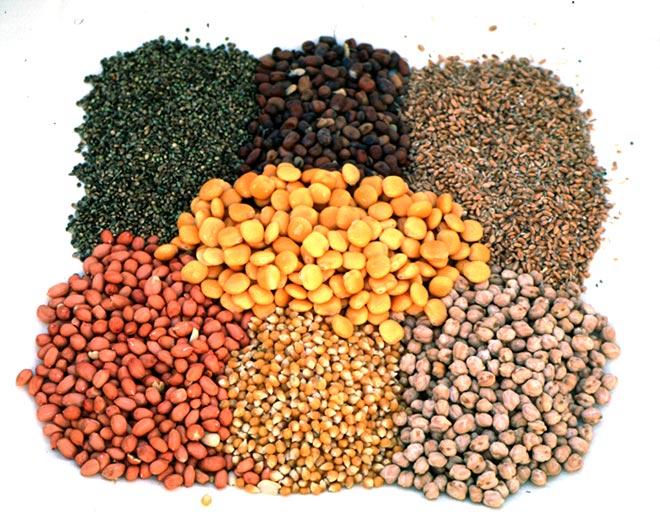
Particles – sweetcorn is one of the most popular additions, but other particles such as hemp, wheat and cooked maize can also be used.
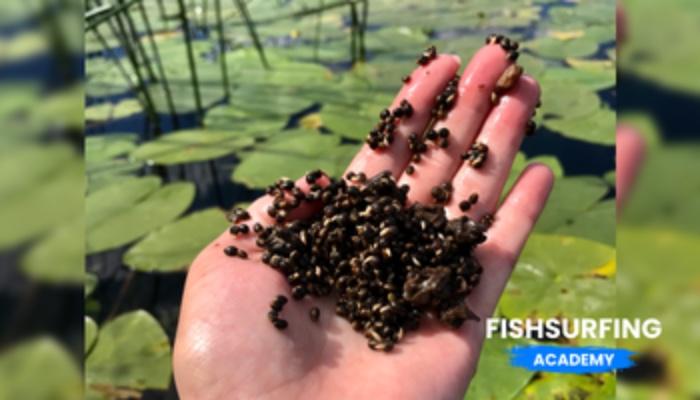
Flavours and colourants – can increase the attractiveness of groundbait by enhancing its scent or changing its colour, helping the mix stand out against the bottom. However, they should be used in moderation, as an overly strong scent or colour can have the opposite effect.
Choosing groundbait for the target species
The composition and consistency of groundbait should also be matched to the species of fish we plan to target:
When fishing for roach and other small coarse fish, delicate, fine-particle mixes often work best, particularly those with sweet flavours.
When targeting bream and other bottom-feeding members of the carp family, it is worth choosing groundbait with a slightly coarser texture and a more pronounced sweet or spicy flavour.
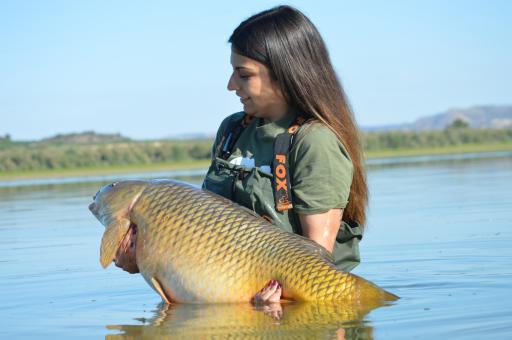
When fishing for carp, it is worth using groundbait enriched with more substantial ingredients, such as pellets or crushed boilies. These provide fish with a more substantial food source and can help keep them feeding in the swim for longer.
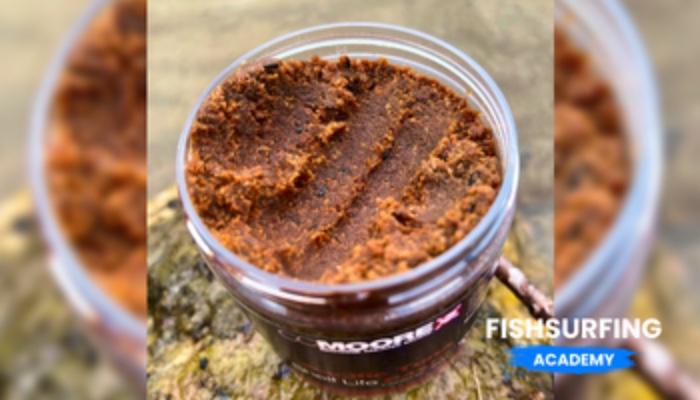
Fishing paste can also be a useful addition to your tackle bag. Ready-to-use pastes are available to buy and can be kept on hand for when you need to quickly increase the attractiveness of your hookbait or create an additional feeding trigger. They can be used on their own or combined with other bait and are particularly convenient when you want to have a versatile option ready to use at any time.
Groundbait quantity and feeding methods
The amount of groundbait should be adjusted according to the time of year, water temperature and fish activity. In spring and autumn, when fish metabolism is slower, it is generally better to feed more sparingly. In summer, when fish are typically more active, larger amounts of groundbait can be used.
At the beginning of a session, anglers usually introduce a larger initial amount of groundbait to quickly establish a feeding area. During the session, the groundbait can then be topped up with smaller amounts, adjusting both the quantity and frequency according to fish activity and the rate of bites.
Summary
Preparing effective groundbait is not complicated, although it does require a little practice and observation of the venue. For beginners fishing in still or slow-moving water, the following setup can be a good starting point:
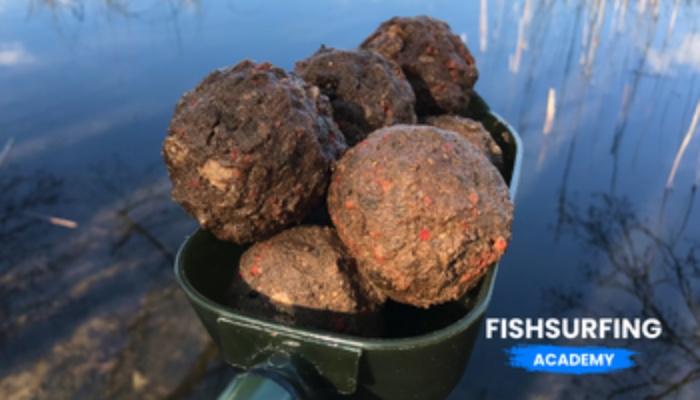
- Base: a universal groundbait mix available from most fishing tackle shops.
- Consistency: slightly moist, allowing you to form a ball while still breaking apart easily once it reaches the water.
- Additives: a handful of sweetcorn, with maggots or other worms added if required.
- Initial feeding: 2–4 balls of groundbait, roughly the size of an orange.
- Top-up feeding: small amounts introduced every 15 minutes or so, depending on fish activity and the frequency of bites.
It is worth starting with a simple mix, observing the behaviour of the fish and gradually adjusting the proportions and additives to suit the particular venue and conditions. With time, judging the right consistency, composition and amount of groundbait will become a natural part of every fishing trip.