




What is a fishing reel?
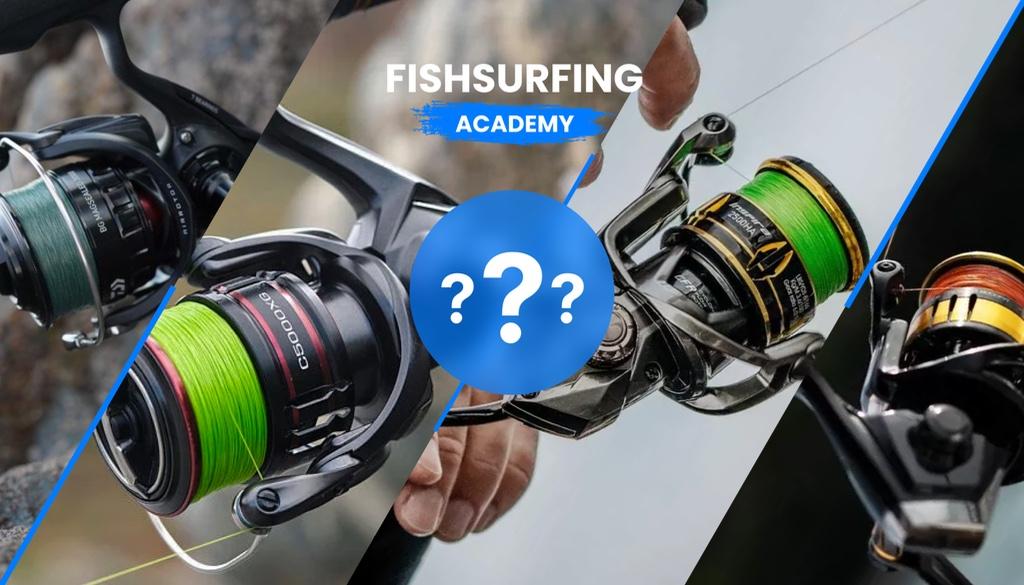
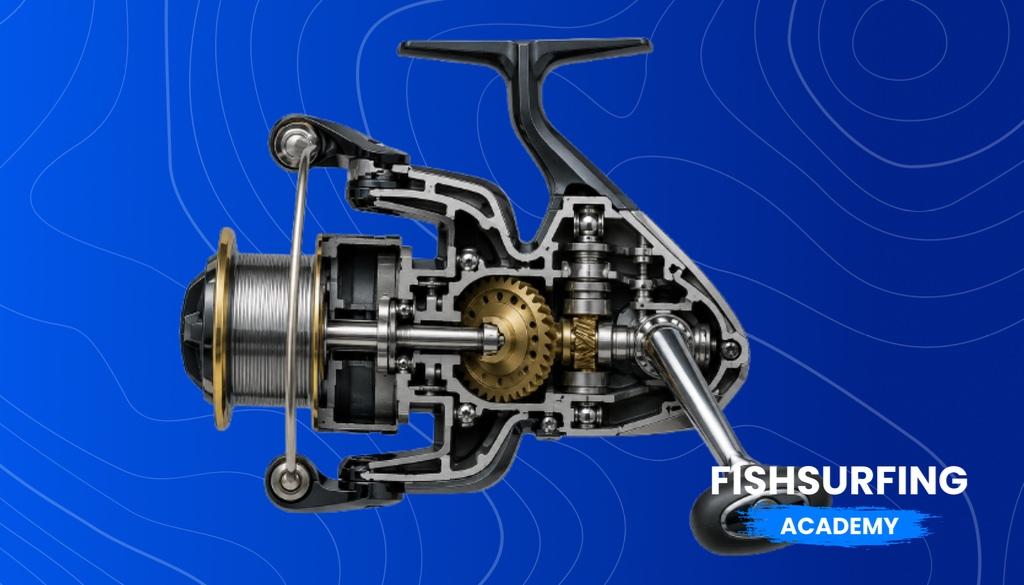
A fishing reel is a mechanical device mounted on the rod whose main purpose is to wind and release the line. It allows you to cast, and then to play and land a fish. In tackle shops you will find many types of reels, but for a beginner the key questions are: should the reel have a baitrunner, what size should it be, and should the drag be at the front or the rear?
Non-baitrunner
A non- baitrunner is simpler in construction, lighter and usually less expensive. It is a great choice for someone just starting out who wants to master the basics, especially if you plan to fish with a float - and float fishing is where most beginners begin their journey.
When float fishing you generally do not need a baitrunner. The fish takes the bait and the float disappears beneath the surface, giving you an immediate visual signal to strike. A baitrunner becomes more relevant when fishing for pike or eel, where a moment of inattention could end with your rod being pulled into the water.
If your first steps are float fishing for perch, roach or crucian carp, a standard reel without a baitrunner is more than enough.

Baitrunner - what is it and do you need one?
A baitrunner (also called a freespool) is a special mechanism that allows a fish to take line freely without any resistance from the reel, without having to loosen the drag. A single turn of the handle is all it takes to automatically return to normal operation with the drag engaged.
This feature is particularly useful when fishing on the bottom or carp fishing, where the fish picks up the bait and moves off before the angler has time to react. Without a baitrunner the fish will feel resistance and may eject the bait.
Baitrunner reel
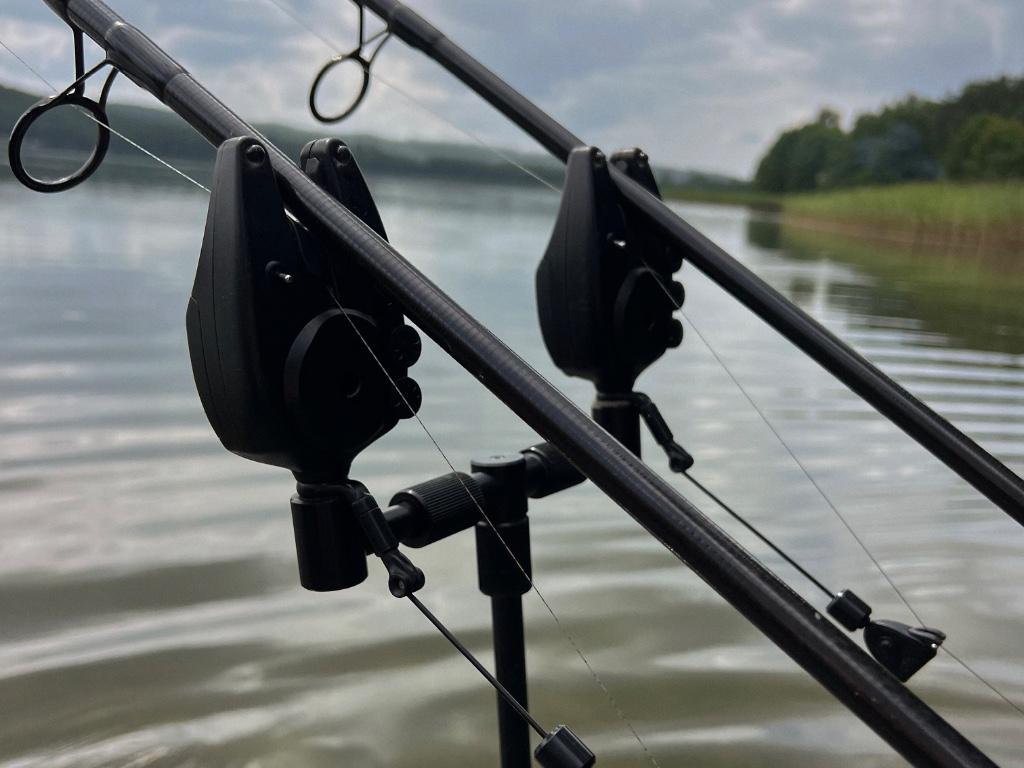
A reel with a baitrunner is an excellent choice if you plan to fish on the bottom or carp fish, with a rig lying on the lakebed and a bite alarm to alert you. The fish picks up the bait and can move off without feeling any resistance. The angler strikes only after lifting the rod and turning the handle - sometimes in the middle of the night.
These models are slightly heavier and more expensive than reels without a baitrunner, but the investment pays off quickly, especially if you are interested in fishing for carp, bream, or tench on the bottom.
It is worth noting that a baitrunner is not strictly necessary for bottom fishing. It can be replaced by a properly set front drag, though this requires more attention, experience, and a quick reaction when a bite occurs.
Front drag or rear drag?
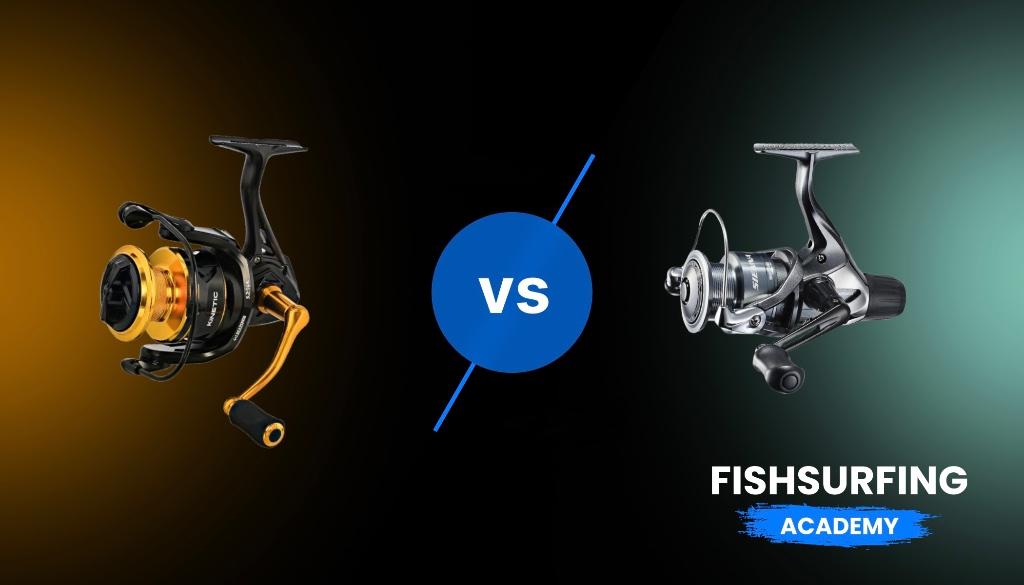
Another question that often confuses beginners is where the drag is positioned. The drag regulates the resistance felt by the fish during the fight, preventing the line from breaking when the fish makes a strong run.
Reels with a front drag (located on the top of the spool) offer better precision and are recommended for the vast majority of anglers. This is the solution found in most reels available on the market.
Reels with a rear drag (located at the back of the body) are slightly easier to adjust during the fight - you can change the setting with one hand without taking your eyes off the water. This can be convenient for absolute beginners, though the choice ultimately comes down to personal preference.
As a starting point, a front drag model is perfectly fine - it is a well-proven standard that you will quickly get used to.
The most important reel parameters
When choosing a reel, it is worth paying attention to a few key specifications:
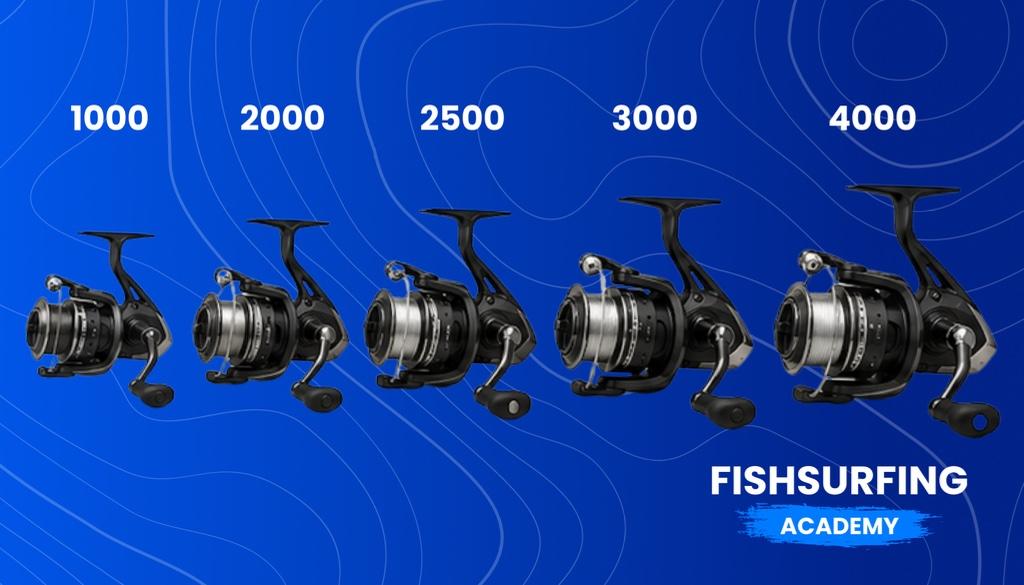
Reel size. Reels are labelled with numbers - the most common are 1000, 2000, 2500, 3000, and 4000. The higher the number, the larger the reel, designed for heavier line and bigger fish. For float fishing and light feeder fishing on calm waters, a size 2000–3000 is recommended - a versatile choice that works well in most situations.
Gear ratio
The gear ratio tells you how many times the rotor rotates per single turn of the handle. Typical values range from 5:1 to 6:1. A higher ratio means faster line retrieve, which is useful for active fishing styles. For a beginner, a standard 5:1 ratio is more than sufficient.
Number of bearings
Bearings affect how smoothly the reel operates. More bearings generally means quieter and more comfortable performance. For a beginner’s reel, 3–5 bearings is perfectly adequate.

What else do you need with your reel?
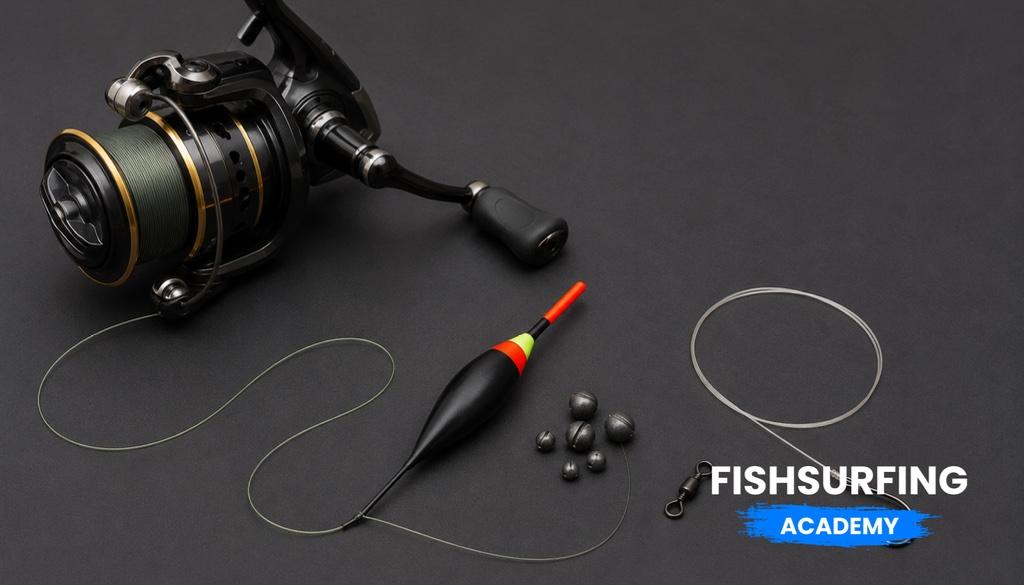
The reel alone is only half the story. To build a complete setup you will also need:
- Line - for float fishing, a line with a diameter of 0.16 to 0.25 mm is recommended.
- Hook lengths - made from a thinner line than the mainline, to which the hook is tied. Hook size is chosen based on the target species and the type of bait being used.
- Accessories - floats, weights, swivels, and everything else needed to assemble your rig.
Summary
If you are wondering which reel to choose as a beginner, let your planned fishing technique guide the decision. For float fishing, a simple reel without a baitrunner in size 2000–3000 with a front drag is an excellent starting point. A solid reel in the €30–50 price range is more than enough to learn the fundamentals and enjoy many successful days on the water. You can always upgrade your gear as your experience grows.