


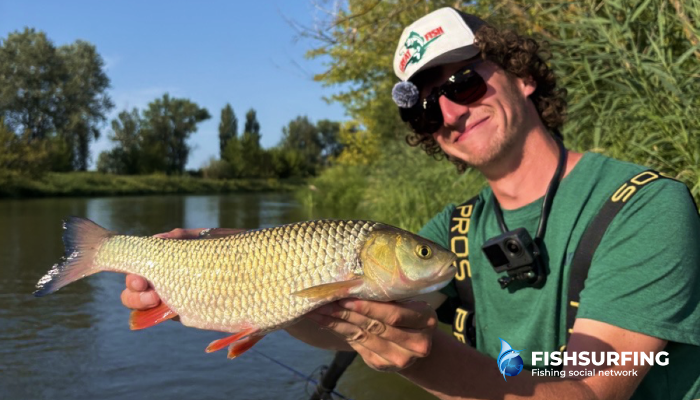
While smaller chub tend to be curious and easy to outwit, fishing for cautious, large specimens is an entirely different discipline. The slightest noise is enough for the fish to slip away unnoticed. But that is precisely where the magic of fishing for them lies. The chub isn’t a fish for just one technique—you can catch it with a spinning rod, fly fishing, a feeder, or float fishing, using anything from worms to cherries to bread crusts. In this article, we’ll show you where to look for these clever fish, which methods to choose, and what to offer them.
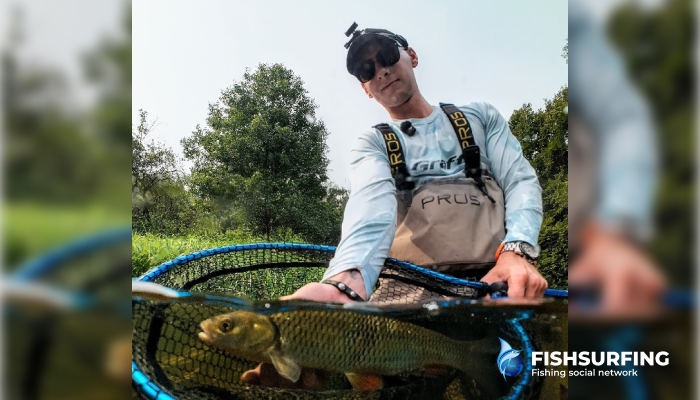
Why Is the Chub Such a Fascinating Fish?
The chub is an incredibly adaptable omnivore. It has no trouble skimming insects from the surface, foraging near the bottom, lurking in strong currents below a weir, or quietly patrolling beneath overhanging branches, waiting for something to fall from the bank. While smaller chub swim the river in large, curious schools, the larger specimens tend to be extremely shy and prefer to stay in seclusion like invisible loners.
It is precisely this enormous diversity of behavior that makes it the absolutely ideal fish for honing your angling instincts. It teaches you to read the water, watch what’s happening on the surface, tread carefully along the bank, and constantly think about which part of the water column the fish are actively feeding in. At the same time, however, it can be quite tricky. A large and cautious chub will usually give you only one chance—once you scare it off with a clumsy cast or a noise, it’ll vanish without a trace for a long time.
The chub isn’t just a random bycatch
Many anglers catch chub more by accident while targeting completely different species. And that’s a real shame. Targeted chub fishing is incredibly dynamic and fun.
Especially on small and medium-sized rivers, it’s one of the most accessible sport fish, responding brilliantly to a wide range of lures. You can go after them light tackle, fish very actively, constantly move around, and enjoy a great day by the water with a bare minimum of gear.
Where to Find Chub
The chub loves stretches that offer plenty of food, safe cover, and a perfect view of its surroundings. You won’t always find it in the fastest-flowing sections. It much prefers the edges of the current, calmer pools, backwaters along the bank, and shady spots under trees.
Under overhanging branches and bushes
Overhanging branches, dense bushes, and eroded grassy banks are absolute magnets for chub. All sorts of insects, ripe cherries, berries, and caterpillars constantly fall into the water from these spots. Chub quickly get used to this steady supply of food and often patrol close to the bank.
But this is exactly where your ability to be inconspicuous will be put to the test. Don’t walk right up to the water’s edge, don’t stomp your feet, and don’t rush your cast. Remember that a large chub will spot you long before you spot it.
Current edges and calmer pools
Chub love to seek out spots where the current delivers food right to their noses, but at the same time doesn’t require too much effort on their part. Focus on the transition zones between fast and slow-moving water, calmer stretches along the banks, outlets from pools, or obstacles where the current breaks.
These sections are ideal for float fishing, fly fishing, and light spinning. It’s essential that the lure glides through the water completely naturally and behaves just like other drifting prey.
Below weirs and in eddies
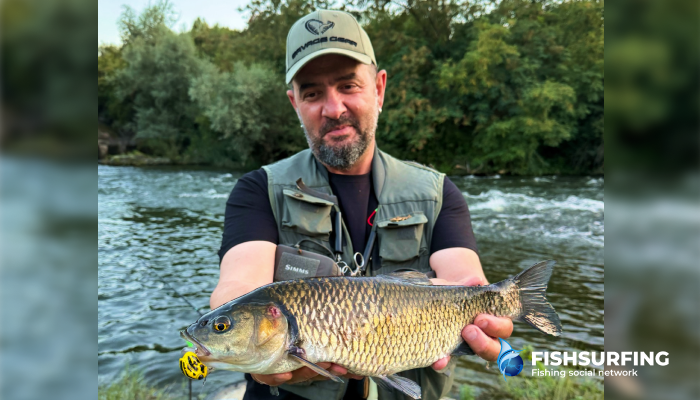
Sections below weirs attract fish with highly oxygenated water and an abundance of food. However, chub rarely stay in the thickest white foam directly beneath the weir. They prefer to wait a bit further downstream from the weir, at the edge of wilder and calmer water or hidden behind large boulders. There they find the peace they need, yet nothing edible escapes their notice in the current.
Near bridge piers and stone structures
Bridge piers, stone navigation structures, low walls, and deeply eroded banks provide chub with perfect strategic cover. The water breaks here, forming interesting pockets and carrying food into small pools. Another huge advantage of these spots is that the depth often drops off right at the edge, which suits older and more cautious fish perfectly.
Summer shallows and warm, calm stretches
On hot summer days, you’ll often come across schools of chub basking in the shallows, gathering insects from the surface, or lazily swimming just along the bank. Although they may seem like easy prey at first glance, the opposite is true—these visible fish tend to be extremely wary. Here, absolute stealth is key, along with using the finest leaders and placing the lure with surgical precision.
When Is the Best Time to Catch Chub
You can catch chub successfully almost the entire season, but its behavior and feeding preferences change significantly throughout the year. If you adapt to this rhythm, your chances of a catch will increase dramatically.
Spring
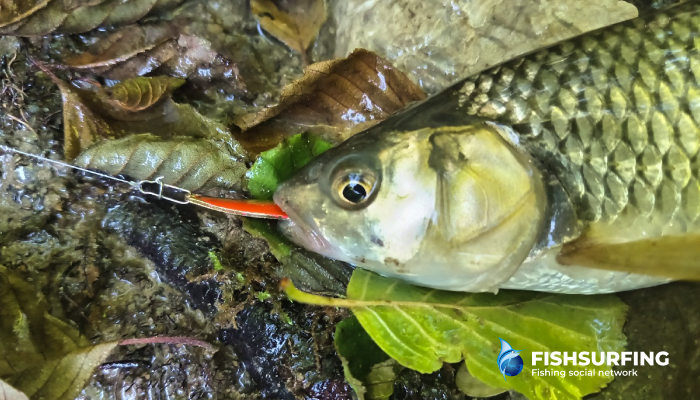
As the water gradually warms up, chub come to life, but for now they tend to stay in the lower part of the water column. They’re still reluctant to feed at the surface. You’ll have the most success with earthworms, worms, nymphs, or small spinning lures, which you should work deeper in calmer, warmer sections of the river.
Summer
The ideal time for surface fishing. Insects and ripe fruit fall into the water, so dry flies, bread crusts, cherries, or smaller surface wobblers work perfectly. Your best chances are early in the morning and in the evening. During the day, you must be extremely inconspicuous in clear water and look for fish primarily in the shade under the banks and branches.
Fall
As the water cools, chub retreat to deeper areas in search of more substantial food for the winter. This is the very best time to catch large, trophy-sized fish. You can opt for meatier and larger lures—streamers, wobblers, spinners, small fish, or a good handful of earthworms work excellently.
Best Techniques for Roach
You can successfully catch chub in several different ways, which makes it such an incredibly attractive fish. However, each technique has its own specifics and works best under slightly different conditions.
Float Fishing
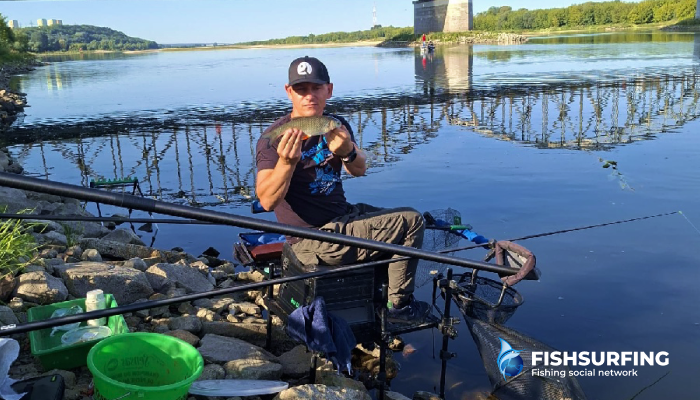
On small and medium-sized rivers, float fishing is absolutely unbeatable. It allows you to let the bait drift naturally with the current right into spots under overhanging branches or along the riverbank edges.
The rig should be delicate enough so it doesn’t look out of place in the water, and the float should match the strength of the current. At the same time, though, it must retain a certain amount of strength. After a strike, the chub instinctively dashes toward snags and roots, so you must be able to stop it in time.
Feeder and Light Bottom Fishing
Choose a feeder or light bottom rig when the fish are feeding primarily near the bottom. Worms, earthworms, corn, a piece of bread, or small pellets work excellently. When fishing in a river, it’s crucial to consider the current—both the bait and the lure must be placed precisely where the chub naturally swim.
Forget about heavy feeding. Often, just a small portion and a bait placed with surgical precision are more than enough. A large amount of coarse bait would likely scare the chub away or attract unwanted fish species to the spot.
Spinning
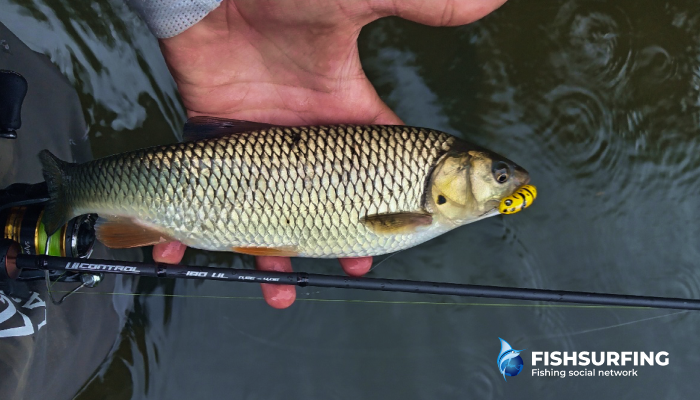
A very active and thrilling discipline. The ideal lures are smaller wobblers, spinners, small soft plastics, floating lures, or special surface insect imitations. A quiet approach and casting accuracy are essential—chub respond fantastically to lures worked right along the bank, near rocky structures, or across current lines. Although the strike often comes in a flash, you can scare the fish away just as quickly if your lure hits the surface with too much noise.
Fly Fishing
The premier discipline, perfectly suited for catching chub. During the summer, dry flies and imitations of beetles, ants, or caddisflies excel. In deeper sections, nymphs are effective, and smaller streamers work wonders for trophy-sized fish.
The main advantage of fly fishing is its completely natural presentation. A dry fly quietly placed in the right feeding zone beneath an overhanging tree presents a morsel that chub rarely resist.
The Best Lures for Chub
The chub is notorious for its lack of selectivity and wide-ranging diet. However, this certainly doesn’t mean it will mindlessly snap at anything you happen to cast into the water. Your success depends on the season, the specific fishing spot, and a presentation that is as natural as possible.
Insects and Artificial Flies
During the summer, chub literally love insects. Dry flies—artificial imitations of beetles, ants, or grasshoppers—work absolutely great, especially under overhanging branches and in calmer sections of the river. As soon as you see fish circling and feeding at the surface, you’ll know exactly which lure to use.
A Piece of Bread
A simple piece of bread crust or the inside of a roll is an absolute classic for chub. They excel especially in spots where bread naturally ends up in the water or where fish are accustomed to being fed by people. The most important thing is to let the bait float completely naturally and to remain quiet on the bank.
Cherries, sour cherries, and other fruits
Fishing with fruit is not some fishing fad, but a well-thought-out tactic. Under trees where ripe fruit naturally falls into the water, chub rarely resist cherries or sour cherries. This method is most effective in the middle of summer and strictly in spots where the fish are well acquainted with this type of food.
Worms and Earthworms
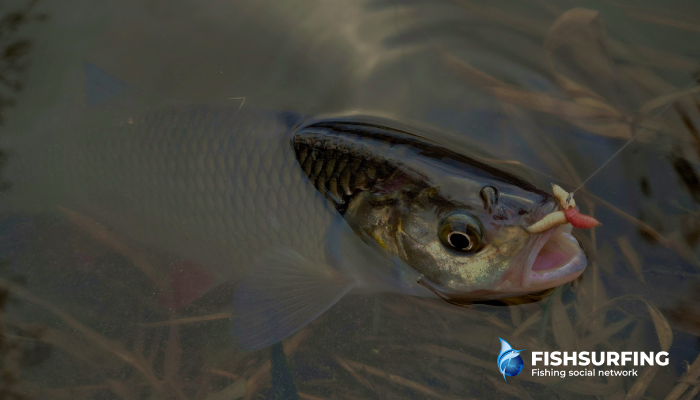
Meatworms, manure worms, or smaller earthworms are a safe, versatile bet for float fishing, feeder fishing, and bottom fishing. Their huge advantage is their natural appearance; the downside is their minimal selectivity. In addition to the target chub, they will reliably attract roach, bream, and perch to the feeding spot.
Small wobblers, spinners, and soft plastics
Although chub have a relatively large mouth, stick to smaller sizes when trolling. A lure that’s too large or too aggressive will quickly scare off cautious, older fish. Small wobblers imitating fry, small spinners, miniature soft plastics, and various surface lures work exceptionally well.
How to Approach a Chub Unnoticed
When fishing for chub, your movements on the bank are often far more crucial than the choice of lure itself. Older and larger fish, in particular, are extremely wary and will detect your presence incredibly quickly in smaller streams.
The key to success is absolute silence and stealth. Tread lightly, stay as far away from the very edge of the bank as possible, and be very careful not to cast a shadow on the water’s surface. When fishing under branches or right at the water’s edge, the very first cast is absolutely crucial. As soon as your rig lands awkwardly, splashes too loudly, or you cast the lure right over the fish’s head, your chances of a bite drop sharply.
In clear, transparent water, it’s definitely worth moving upstream and casting against the current, or choosing an angle from which the fish won’t spot you. This is because chub naturally stand in the river with their heads facing upstream. So if you approach them carelessly from above, they’re guaranteed to spot you long before you even have a chance to see them.
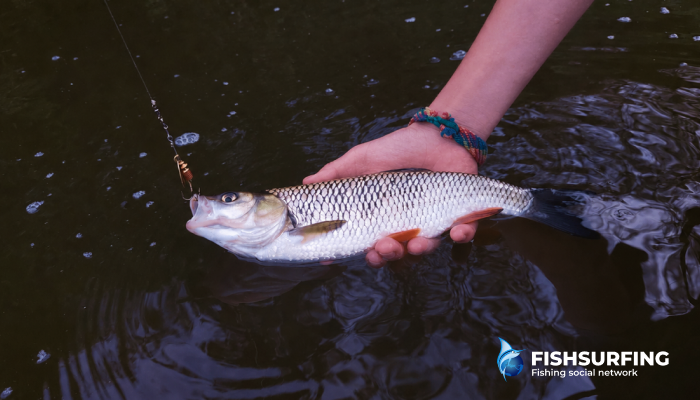
The Most Common Mistakes When Fishing for Chub
- Noisy approach and carelessness on the bank—Chub very often stay close to the bank. You’re sure to scare them away by stomping, making sudden movements, or casting a clumsy shadow on the water’s surface.
- Casting directly at the fish – The lure must not land directly on the fish’s head with a big splash. It must drift toward the fish naturally, so always cast a little higher upstream.
- A rig that’s too heavy – An unnecessarily thick leader, a large hook, and a clunky rig will immediately scare off cautious fish, and this is doubly true in clear, shallow water.
- Ignoring surface activity – If fish are actively feeding on insects at the surface in the middle of summer and you stubbornly fish near the bottom, you’re missing out on your best chances of a catch.
- Stubbornly sticking to a single lure—Chub can be very picky. If they aren’t responding, don’t be afraid to experiment and quickly switch both the type of lure (insects, worms, bread, spinners) and the fishing depth.