


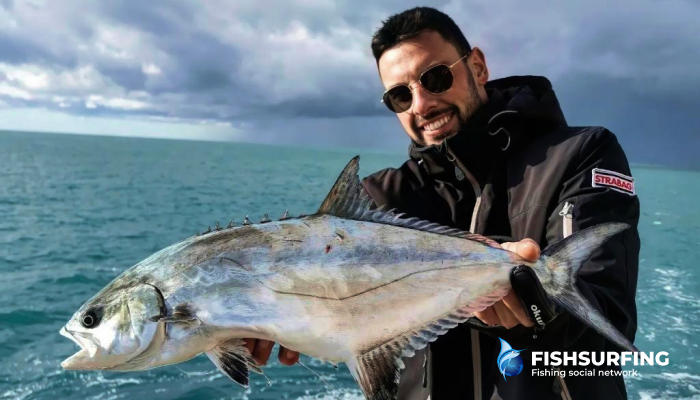
Croatia has long since ceased to be just a synonym for lazing around on the beach. The Adriatic coast offers excellent opportunities for fishing from cliffs, piers, and boats, while the interior hides beautiful rivers and lakes perfect for spin fishing, fly fishing, and carp fishing. But before you automatically grab a fishing rod along with your swimsuit, think carefully about your specific location and find out what kind of permit and gear you’ll actually need.
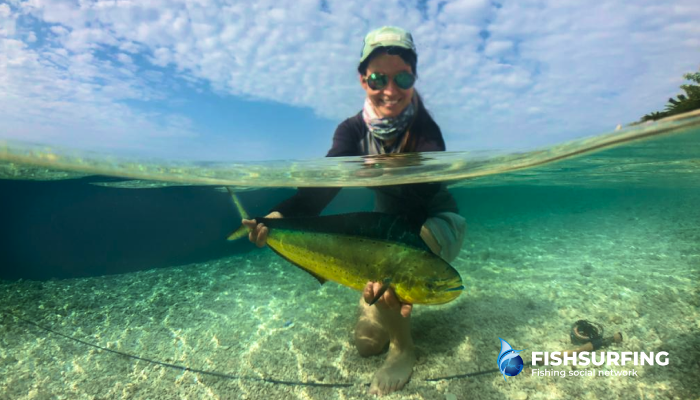
Saltwater or freshwater? How to plan your trip
Fishing in Croatia can take many forms. The most common choice among Czech anglers is recreational saltwater fishing from the shore, which can be perfectly combined with a regular family vacation.
More experienced anglers, however, often head out to the open sea on a boat or hire local professional guides. The inland areas are a whole different story, where fishing on lakes and rivers is subject to completely different rules, and permits are sold by specific holders of fishing rights.
Before you start packing, you’ll need to clarify a few key things:
- Whether you plan to fish at sea or prefer freshwater
- Whether you’ll be casting exclusively from the shore or heading out on a boat
- What fishing technique you want to focus on primarily
- Whether this is just an evening activity to spice up a relaxing vacation or a dedicated fishing trip
Look for suitable spots before you leave
Relying on a random search for a fishing spot after you arrive doesn’t pay off very well in Croatia. You’ll likely end up at an overcrowded beach, a private pier, or sharp cliffs from which you can’t cast safely. For freshwater fishing, you also need to find out in advance who manages the specific fishing area.
Everything You Can Sort Out in the Fishsurfing App
The map in the Fishsurfing app will help you plan your trip; you can use it to search for public and private fishing areas, waterfront accommodations, fishing guides, and stores. Contact information, rules, and permit details may also be listed for individual bodies of water.
This way, you can compare your chosen locations from home and plan your trip based on the location, fishing techniques, and nearby services. However, always confirm the current fishing conditions with the manager of the specific body of water before you go.
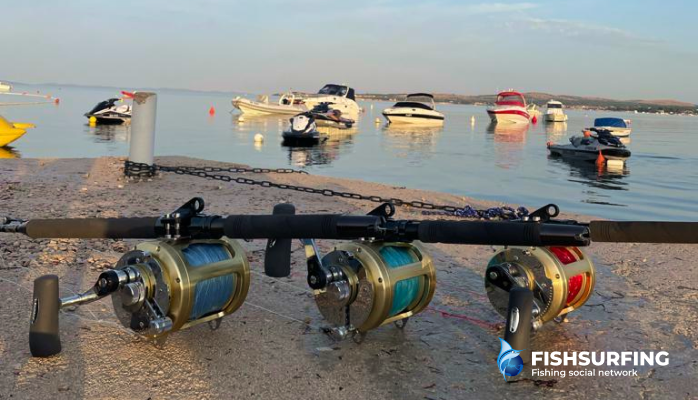
Plan one-day trips
Fishsurfing is also useful when you’re spending your vacation in one place but want to try fishing in multiple bodies of water. You can quickly check the map to see if there’s a freshwater fishing area, a fishing guide, or another location nearby that you can visit on a day trip.
Sea Fishing License in Croatia
Both recreational and sport fishing in Croatian coastal waters require a valid license. And take note: this applies equally to fishing from a boat as it does to simply casting a line from the beach or a pier. Fortunately, as tourists, you can easily obtain a recreational fishing license online through the official system of the Croatian Fisheries Administration.
Once you’ve paid, you’ll immediately receive a confirmation email with your permit number. Be very careful when filling out the form, though—the information you provide must match your ID card or passport exactly, as you’ll be asked to show it during any inspection.
You can set the permit’s validity in the system to take effect either immediately or from a specific date and time. For a typical summer vacation, when you want to head to the water for a few evenings, the practical seven-day option is usually the best choice.
A standard recreational license has clear limitations
The basic recreational license is definitely not a universal pass for all fishing techniques. For example, the use of certain traps, long lines with hooks, artificial lighting, or harpoons is subject to very strict regulations.
What to Watch Out for Most in Croatia
- Spearfishing and underwater spearguns – You are not allowed to use this equipment at all with a standard recreational license. A special permit for sport fishing is strictly required for this activity.
- Fishing for large fish – Very specific rules (and the requirement for a special permit) apply to the targeted fishing of large species, such as tuna or swordfish.
For the average tourist with a fishing rod, it is therefore always easiest and safest to stick to classic spin fishing—whether bottom fishing or float fishing—from the shore or a boat, and not to attempt techniques that are not covered by a standard permit.
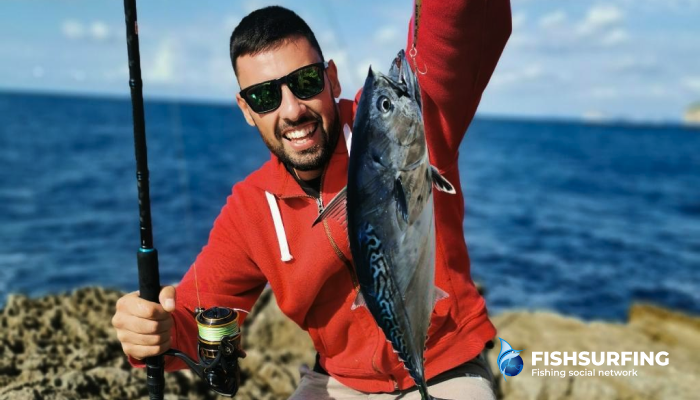
Where to Go Fishing Along the Croatian Coast
The Adriatic offers rocky cliffs, shallow coves, and deep harbors. However, each location has its own specific characteristics and requires a different approach.
Rocks and Rocky Shores
The rugged seabed, full of hiding spots, is ideal for light saltwater trolling, bottom fishing, and float fishing. But before you even cast your line, think about how you’ll safely land your catch. Watch out for wet rocks and slippery seaweed. Don’t climb onto exposed cliffs just to gain a few extra meters of casting distance, and keep a constant eye on the waves.
Harbors and stone breakwaters
Harbors naturally attract both smaller fish and larger predators. However, always check to make sure there isn’t a fishing ban in effect on a particular pier due to boat traffic. Never cast into the shipping lane, between anchored boats, or near swimmers. The ideal time is early in the morning or late in the evening, when the main traffic has died down.
Quieter, Shallow Coves
Coves tend to be good for fishing mainly in the morning, in the evening, and generally outside the peak summer season. During the day, when the water is full of people, boats, and paddleboards, there’s no point in fishing at all costs. Safety and consideration for other tourists always take absolute priority.
What You Can Catch in the Adriatic
Specific catches depend on the location, depth, season, and technique used. From the shore, you can catch various species of sea bream, sea bass, needlefish, mackerel, and smaller predatory fish. Fishing for squid and cuttlefish using special lures is also popular. From a boat, the possibilities expand to include deeper waters and larger marine species.
For tourists, it’s more practical not to rely on catching just one specific species. First, find out what fish are commonly caught in the area and adjust your tackle accordingly. A local fishing shop or a guide—who can also be found through Fishsurfing—can help. Local experience is often far more valuable at sea than a box of lures selected at home without any knowledge of the coastline.
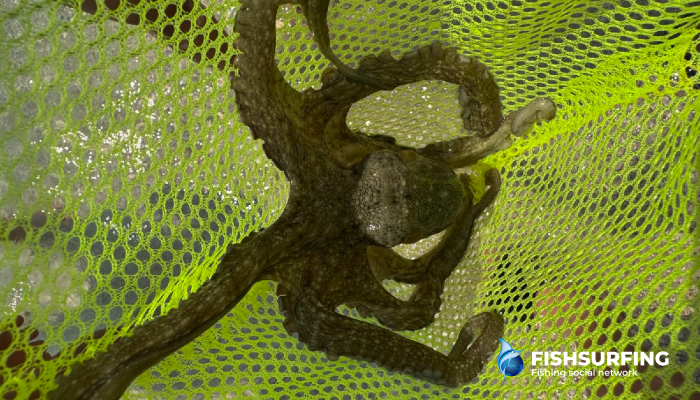
Which Fishing Technique to Choose from the Shore
Once you’ve chosen the ideal spot, it’s time to adapt your fishing style to it. Fishing in the Adriatic has its own distinct characteristics, and saltwater fish react a bit differently than freshwater ones. Here’s an overview of the methods that are most likely to succeed along the Croatian coast.
Light saltwater spinning
The ideal choice for actively searching the shoreline, harbor edges, and rocky reefs. Smaller wobblers, spoons, soft plastics, or narrow metal lures work excellently, as they cut through the sea breeze well. In clear water, stick to natural colors; at dusk and in deeper water, try something more vibrant. Remember, though, that the right depth and retrieve speed are much more important than constantly switching colors.
Classic bottom fishing
You must size the sinker so that it keeps the lure in place even in stronger waves and currents. On a rocky bottom, expect a high risk of snags—a large supply of spare sinkers and pre-tied leaders is a must here. You must also attach the bait to the hook very carefully; otherwise, small fish will pick at it before you even notice a bite.
Fishing with a Float
A float works great in harbors, quiet coves, and along cliffs. The main advantage is that you keep the bait above the bottom, which largely prevents it from getting snagged on rocks. However, you’ll need to adjust the depth constantly, as the rugged bottom often drops off very steeply.
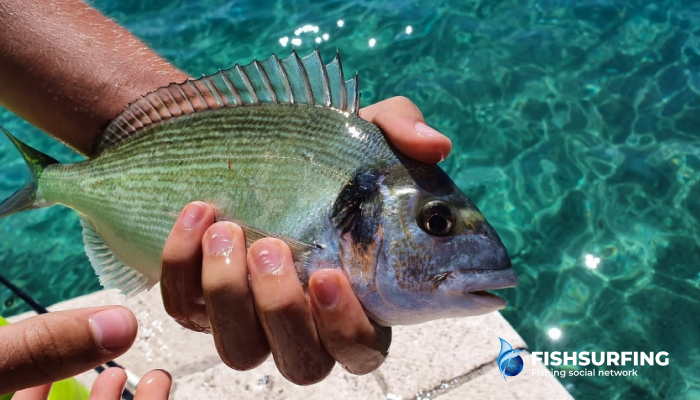
Specifics of squid fishing
Squid require special lures with a ring of fine barbs. The best results come from fishing in the evening and at night near lit piers and in deeper areas. Be mindful of the regulations, however—while fishing under standard public harbor lighting is permitted, using your own lights to attract fish requires a special permit (a standard recreational fishing license is not sufficient).
How to Plan a Safe Fishing Trip from a Boat
A boat opens up access to deep water, islands, and places you’d never reach from shore. To start with, though, it’s definitely best to go out with a local guide. They know the ocean currents, safe routes, and current restrictions inside and out, and will provide you with the right equipment.
Before paying for the trip, always make sure to:
- Whether a valid fishing permit is included in the price of the trip
- Which fish species and techniques the trip primarily focuses on
- Whether the guide will lend you all the equipment and lures
- How long the entire trip will last
- What the procedure is in case of a sudden change in weather
- Whether the planned fishing trip is suitable even for complete beginners
Even on a completely calm day, don’t underestimate the importance of a life jacket, quality sun protection, and plenty of drinking water. Conditions at sea can change much faster than you might think.
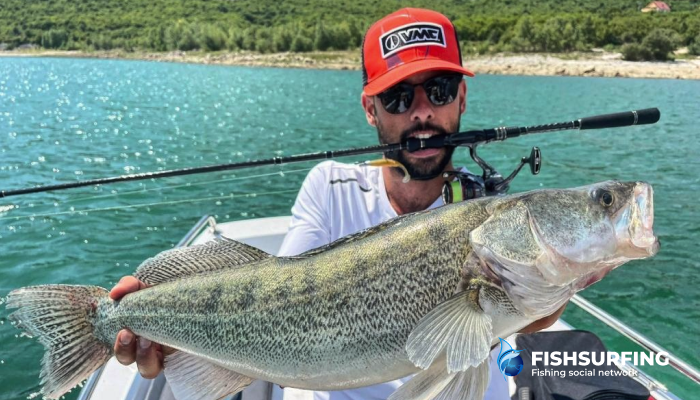
Freshwater Fishing in Croatia
Croatia offers not only the sea but also beautiful rivers, lakes, and well-stocked private fishing grounds. Depending on the location you choose, you can target carp, catfish, pike, zander, perch, trout, and other salmonid fish. However, don’t expect a single, universal permit valid for the entire country. Freshwater licenses are always issued by the specific holder of fishing rights for a given area or fishing ground.
Although daily and annual permits are officially sold, local organizations often impose their own rules, special membership conditions, and other strict restrictions. Therefore, before every visit to freshwater waters, always research and find out
- The exact name of the fishing area and who manages the fishing rights there
- Where and how the license can actually be purchased
- Currently permitted fishing techniques and approved types of bait
- Prescribed minimum catch sizes, closed seasons, and daily catch limits
- Whether a catch-and-release policy happens to apply to that particular section
This is where Fishsurfing comes in handy. You can use the map to locate Croatian rivers, lakes, and private waters, and find available contacts or services in the area. Then, verify the specific rules directly with the fishing area operator.
When to Go Fishing in Croatia
Summer is the most common time to go, but it’s not always the best for comfortable fishing. It tends to be hot during the day, the coast is crowded, and fish may be more active in the early morning or evening. Fishing outside the hottest part of the day is more pleasant for anglers and usually causes fewer conflicts with swimmers.
Spring and fall offer a quieter coast, more bearable temperatures, and fewer tourists. However, you’ll need to pay closer attention to the wind and sea conditions. When planning a targeted fishing trip, therefore, don’t choose your dates based solely on the price of lodging, but also on the target species and typical conditions in the area.
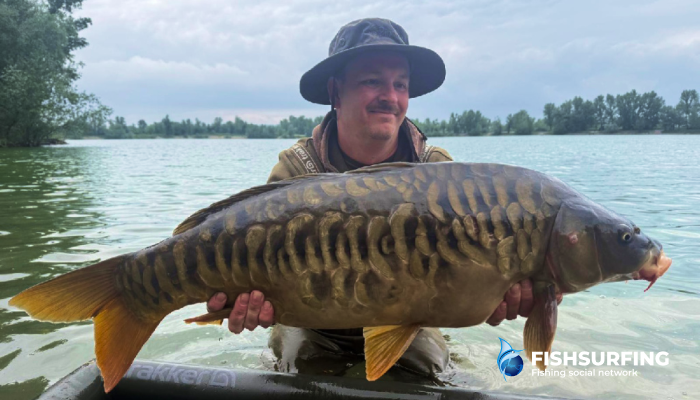
What Gear to Bring
For occasional shore fishing, you don’t need half a car full of fishing gear. The practical basics include:
- a versatile spinning rod or a lighter saltwater rod
- a reel with sufficient line capacity
- several types of lures and spare rigs
- stronger leader material
- fishing nippers or pliers
- a landing net appropriate for the type of fishing spot
- boots with sturdy, non-slip soles
- a headlamp for early morning and evening fishing
- sun protection and plenty of water
Saltwater is bad for your gear. After every fishing trip, rinse your reel, rod, guides, pliers, and lures with fresh water and let them dry. This will significantly reduce corrosion.
Be aware of protected areas and local restrictions
Special permits or stricter rules may apply in national parks, nature reserves, and other protected marine areas. Therefore, a basic state-wide license may not be the only document you need. Similarly, certain areas of harbors, beaches, and locations with heavy boat traffic may be restricted.
Before casting off, always check:
- Whether you are in a protected area
- Whether access and fishing are permitted from the pier in question
- Whether you are endangering swimmers or boats
- What size limits and conservation requirements apply to the species you’re catching
- Whether your fishing technique requires special authorization
How to Plan a Fishing Trip to Croatia
- Choose your type of fishing. Decide right from the start whether you want to fish at sea or prefer inland freshwater.
- Explore the area using Fishsurfing. Look up specific fishing spots, accommodations, and fishing services in the immediate vicinity of your destination.
- Find out who manages the area and purchase a permit. Verify who oversees the selected body of water and obtain the appropriate license (online for saltwater, from a local organization for freshwater).
- Familiarize yourself with local regulations. Carefully check for any protected areas, local restrictions, minimum size limits, and catch limits for the target species.
- Choose the right technique. Adapt your gear depending on whether you’ll be casting from the shore, from rocks, or planning a boat trip.
- Monitor the wind and sea conditions. Safety comes first. Especially when fishing from rocks or a boat, constantly check the weather and wave forecasts.
- Have a backup plan. Make a note in the app of alternative spots and important contacts in case waves or an unexpected ban force you to leave your original location.