


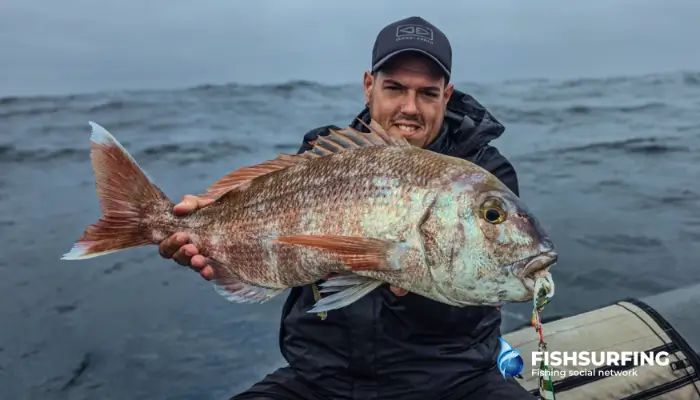
The main appeal of saltwater fishing is that you never know exactly what will turn up under the boat or off the coast. One day you’re looking for cod near the bottom, the next day you come across schools of pollock in a column, and other times you’re trying to entice a halibut that’s hanging out near sandy shoals. That’s exactly why choosing the right technique is so important. After all, there’s no single universal lure at sea that’s best in every situation.
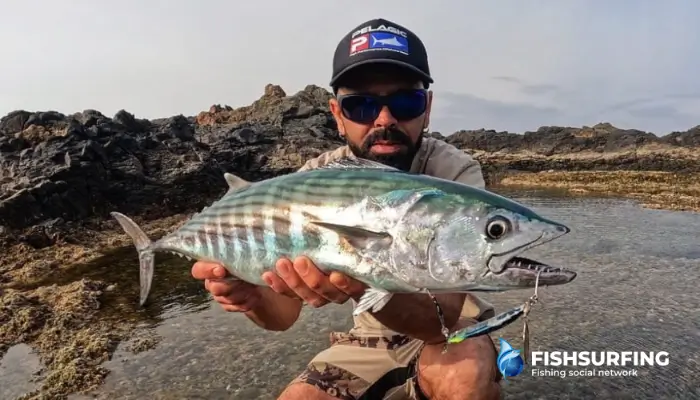
Every technique has its place at sea
Beginners often focus mainly on the question of what to buy: a pilker, a rubber lure, or classic spinning gear? But the right answer doesn’t depend solely on what you like in the store. Much more important are the depth, the strength of the current, the boat’s drift, the target fish, the activity of the schools, and whether you’re fishing from a boat or from shore.
Pilkers, soft plastics, and spinning gear all have their place at sea. Pilkers are suitable for greater depths and stronger currents, soft plastic lures can look more natural and often attract even the most cautious fish, while lighter saltwater spinning is great where fish are feeding in the water column, near the shore, or in shallower depths.
First, figure out where and what you want to catch
Before you start choosing a specific lure for saltwater fishing, ask yourself a few basic questions:
- Are you fishing from a boat or from shore?
- Will you be fishing in a fjord, on the open sea, along a rocky coastline, or over a deep shelf?
- Are you targeting cod near the bottom, pollock in the water column, mackerel near the surface, or do you want to try for halibut?
The answers to these questions will determine whether a pilker, a soft plastic lure, or a spinning lure makes the most sense.
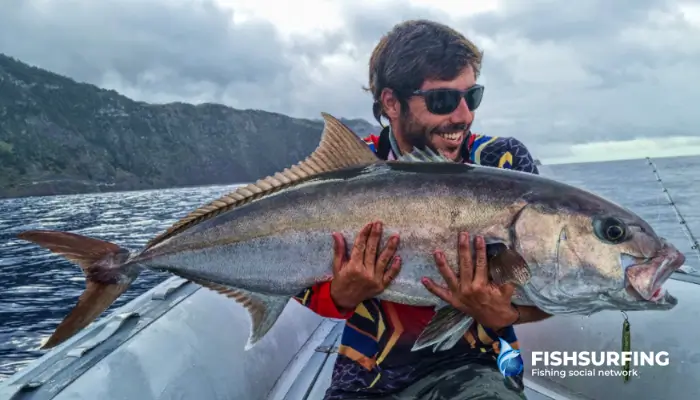
Depth
In shallow water, you often don’t need a heavy pilker. A lighter rubber lure, a smaller jig, or a naturally presented spinning lure can work much better. Conversely, in deeper water or when the current is stronger, you’ll need a lure that sinks quickly and maintains contact with the bottom.
Current and Boat Drift
At sea, you have to consider not only depth but also water movement and the boat’s drift. Even a lure that would work well in calm conditions may be too light in a strong drift. As soon as you lose contact with the lure, you lose a good sense of the bottom, the bites, and the lure’s action itself.
Target Fish
Cod is often found near or on the bottom. Pollock and black cod may also actively hunt higher up in the water column. Mackerel often travel in larger schools and respond to a faster retrieve. Halibut requires a more patient approach, heavier tackle, and a lure worked in such a way that it has a chance to attract the fish both near the bottom and above it.
A Fisherman’s Experience
Pilk fishing can be easy for a beginner to understand because the lure reaches the bottom quickly and clearly shows what’s happening beneath the boat. Soft plastic lures, however, tend to be less tiring to use and often look more natural. Light trolling, on the other hand, requires more active searching for fish and a better sense of the fishing spot. That’s why it’s a good idea to start simple and gradually expand your technique.
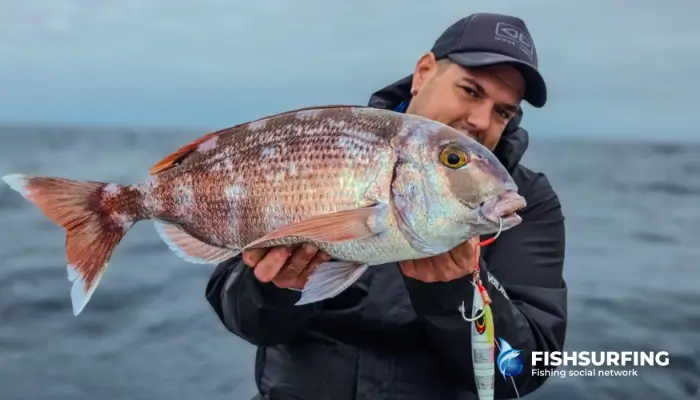
Pilker – A Classic for Depth and Stronger Currents
A pilker is a metal saltwater lure used primarily for boat fishing. It’s heavy, sinks quickly to the bottom, and allows you to fish at greater depths and in stronger currents. That’s precisely why it’s one of the best-known lures for saltwater fishing, especially when targeting cod and other bottom-dwelling fish.
The pilkr is practical, durable, and easy to use. You let it sink to the bottom, reel it back a bit, and work it by moving the rod or reel. The lure oscillates in the water, reflects light, and resembles an injured fish or other easy prey.
When to Choose a Pilkr
A pilkr makes the most sense in situations where you need to get the lure down quickly and maintain contact with it.
It’s especially suitable for:
- deeper waters
- for stronger currents
- for bottom fishing for cod
- when searching for fish under the boat
- when you need to quickly find out what’s happening in the water column
- in areas where lighter lures are carried away too much by the current
On your first fishing trip at sea, a pilker is very useful precisely because it’s straightforward. It will help you understand the depth, the strength of the drift, and the nature of the bottom. If you’re in an unfamiliar spot, a pilker can be a good first step.
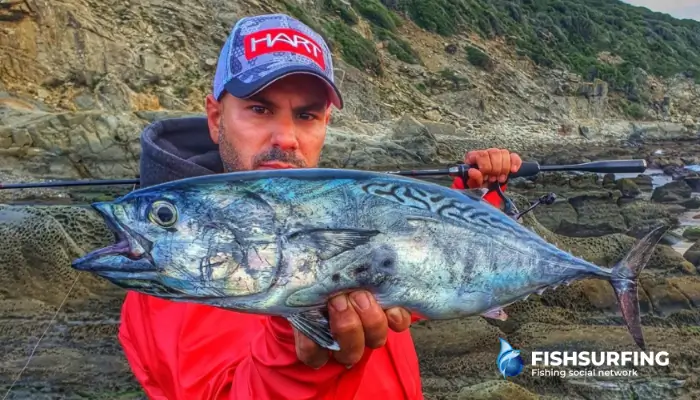
How to Use a Pilker
The most common mistake is jerking it too aggressively. You don’t have to constantly jerk the pilkr sharply and high. Often, it’s enough to let the lure sink to the bottom, lift it slightly, work it with short movements, and maintain contact. Fish sometimes strike as the lure sinks, other times when it stops, or just above the bottom.
If you’re fishing for cod, it often makes sense to stay close to the bottom. If the fish finder or bites indicate activity higher up in the water column, you can gradually lift the pilker and fish at various depths. Out at sea, it’s not a good idea to stick to just one retrieve method.
Advantages of the Pilkr
The pilk is durable, casts and retrieves well, sinks quickly, and can handle rougher conditions. It’s suitable for deeper water, larger fish, and situations where you need to maintain clear contact with the lure. Plus, it can often be reused even after hitting a rocky bottom, as long as you don’t lose the entire rig.
Disadvantages of the pilk
Pilk fishing can be physically tiring, especially if you’re working with heavy lures at great depths all day. The pilk can also sometimes appear too harsh, particularly when fish are cautious or you’re fishing in shallower water. In such situations, a more natural-looking rubber lure may be more effective.
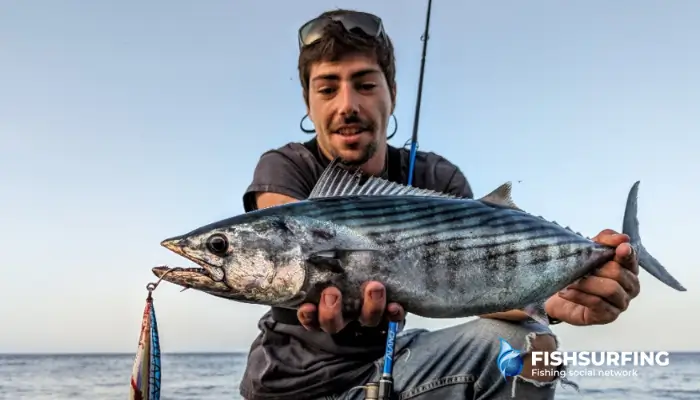
Rubber Lures and Shads – More Natural Movement and Less Tiring Fishing
Soft plastic lures, often referred to as shads, are among the most versatile options in saltwater fishing. Unlike pilkers, they don’t rely solely on metallic flashes and sharp movements; instead, they move more softly and naturally. A well-chosen rubber lure can mimic a small fish moving near the bottom or in the water column, and often entices even fish that don’t respond to a heavy pilker.
Soft plastic lures are popular mainly because they allow for active fishing without being as physically demanding as using a heavy pilker. With the right jig head or weight, you can reach the desired depth while still keeping the lure moving naturally.
When to Choose a Rubber Lure
A rubber lure makes sense when you want to offer the fish a more natural bite while maintaining active contact with the lure.
They’re especially suitable for:
- for cod
- pollock
- for halibut
- in medium depths
- for slower drifts
- when the fish aren’t responding to a harder jigging action
- when you want to work the lure more smoothly and naturally
A soft plastic lure is also an excellent choice when you’re fishing for larger fish more selectively. A larger shad can attract a nice cod, halibut, or pollock, while smaller fish are more likely to leave it alone than they would a smaller lure.
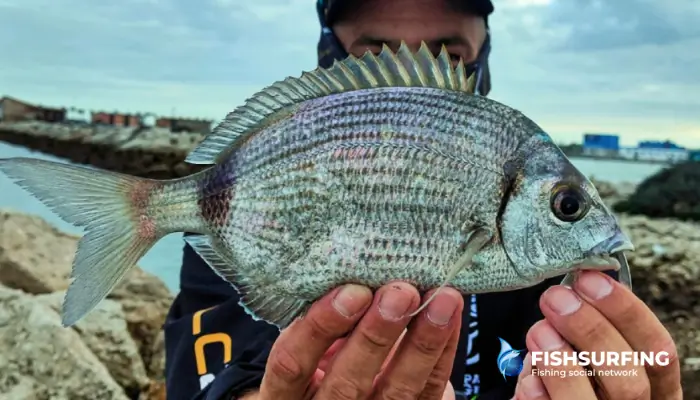
How to Work a Rubber Lure at Sea
With rubber lures, a slower and more deliberate retrieve often works best. Let the lure sink to the bottom, lift it a few meters, and let it work as the boat moves or as you gently lift the rod. A bite can occur as the lure sinks, when it comes to a stop, or while being retrieved slowly.
When fishing for halibut, it often pays to let the lure work near the bottom, but not always directly on it. The fish may strike even as the rubber lure rises or pauses for a moment. For pollock and black cod, on the other hand, working the lure higher in the water column can be effective, especially when they’re actively feeding.
How to Choose the Size and Weight of the Lure
It’s not just about the size of the fish you want to catch. The weight must match the depth, current, and drift. A lure that’s too light won’t reach the right zone; one that’s too heavy may move awkwardly. That’s why it pays to have multiple weights on hand and adjust according to the conditions.
Color is important, but it shouldn’t be the first thing you focus on. It’s much more important that the lure is at the right depth, moves naturally, and is under your control. Only then does it make sense to adjust the color based on water clarity, light conditions, and fish activity.
Advantages of Soft Plastics
Soft plastics look natural, can be worked slowly or aggressively, and are often less tiring to use than heavy jig heads. They allow for a more subtle presentation and are well-suited for fish that hunt for prey near the bottom or in the water column. They’re excellent when you don’t just want to “pound” the depths but actually work on your presentation.
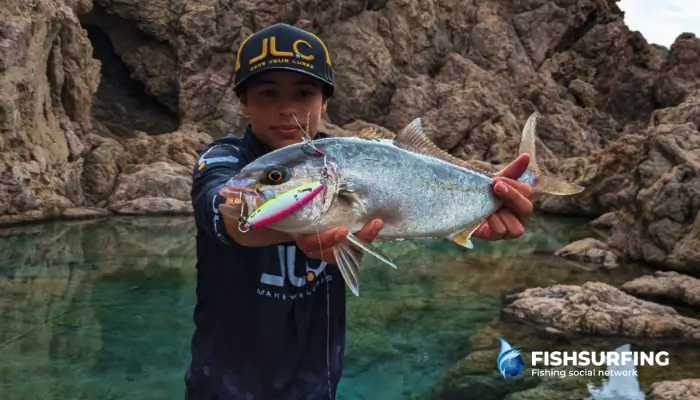
Disadvantages of rubber lures
Rubber lures are more prone to damage. Sharp teeth, rocks, or poor hook sets can tear them apart quickly. If the weight is chosen incorrectly, it’s also easy to lose contact with the lure. In strong currents or at great depths, a pilker may be more practical.
Saltwater Spinning – Actively Searching for Fish Near the Shore and in the Water Column
When we talk about saltwater spinning, it doesn’t have to mean only heavy fishing from a boat. Saltwater spinning can involve active fishing from rocks, piers, or the shoreline, as well as lighter fishing from a boat in a fjord or around shallower areas. Smaller pilkers, wobblers, spoons, soft plastics, jigs, or other lures are used depending on the target fish.
Spinning is the most active of the three approaches. You don’t just wait under the boat; you search for fish, work different spots, vary your retrieve speed, and react to the movement of schools.
When to Choose Sea Trolling
Saltwater trolling makes the most sense where fish are actively feeding or staying within reach.
It’s particularly suitable for:
- from the shore
- in shallower fjords
- near rocky ledges
- around piers and harbor structures, provided fishing is permitted there
- for mackerel
- for pollock
- for cod in shallower waters
- when fishing in the water column or near the surface
If you see activity on the surface—small fish, seagulls, or fish chasing prey—spinning may be the best choice. At times like these, it’s a waste to keep a heavy pilker near the bottom when the fish are feeding somewhere else entirely.
How to Work a Spinnerbait
When spin fishing at sea, it’s important to vary your retrieve. Sometimes a fast retrieve works, other times an intermittent motion, letting the lure drop, or retrieving just above the bottom. Fish at sea often respond to a change in rhythm. A bite may come just as the lure slows down, stops, or begins to sink.
When fishing from the shore, it pays to work the water systematically. Don’t keep casting to the same spot. Start closer to shore, work your way out to the sides, vary the depth at which you retrieve the lure, and watch where you get a bite. Out at sea, schools of fish can move quickly, so active retrieval is often a big advantage.
Advantages of Saltwater Spinning
Spinning is fun, active, and suitable even for anglers who don’t want to spend the whole day on a boat. It allows you to fish from the shore, a pier, rocks, or a small boat. It works well for fish that feed in the water column or near the surface and often provides fast-paced action.
Disadvantages of saltwater spinning
Lighter lures aren’t ideal for great depths or strong currents. If the fish are near the bottom at 100 meters, a pilker or a heavier soft plastic lure will be much more practical. When fishing from the shore, you also need to carefully assess the safety of the location, the tide, slippery rocks, and access to the water.
So what’s best: a pilker, a soft plastic lure, or a spinning lure?
|
Technique |
When to Choose It |
Where It Works Best |
Which fish it’s best for |
Main Advantage |
What to Watch Out For |
|---|---|---|---|---|---|
|
Pilker |
When you need to get the lure to the bottom quickly and maintain contact even at greater depths or in stronger currents |
Boat, deeper water, stronger current |
Cod, ling, larger bottom-dwelling fish, sometimes even haddock or pollock |
Maintains good contact at depth |
Can be tiring to use and unnecessarily rough in shallower water |
|
Soft plastic / shad |
When you want a more natural movement and slower retrieve than with a pilker |
Fjords, shoals, edges, the bottom, and the water column |
Cod, pollock, haddock, halibut |
A gentler and more natural presentation |
The wrong weight will quickly lose contact with the lure |
|
Saltwater spinning |
When fish are actively feeding in the water column, near the surface, or close to shore |
Coastline, rocks, piers, shallower water |
Mackerel, pollock, cod in shallower waters, haddock |
Active and fun fishing, even from the shore |
Not suitable for deep water or strong currents |
Saltwater fishing is so varied precisely because it forces you to adapt. Depth, current, light, wind, drift, and fish activity can all change within a single day. If you bring a variety of options with you and think about why you’re using a particular technique, your chances of success will increase significantly.
So whether you’re jigging a heavy pilker deep, working a large shad lure along the bottom, or casting a lighter lure from the rocks, one thing always holds true: the most important thing isn’t the lure itself, but whether you can get it to the right spot and work it in a way that gives the fish a reason to strike.