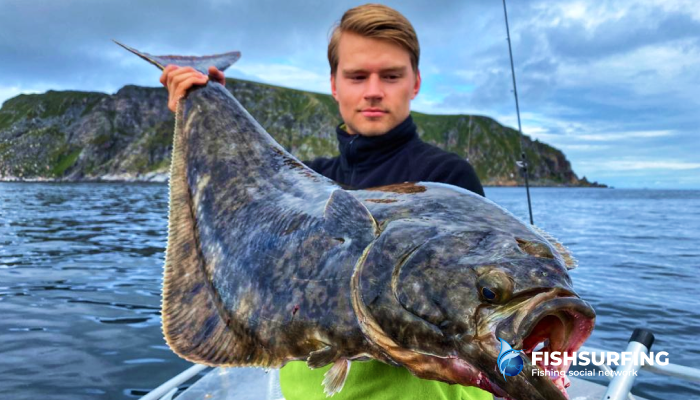

For many anglers, fishing in Norway is a dream come true. Deep fjords, massive schools of cod, and battles with halibut attract thousands of enthusiasts. But a successful trip requires more than just warm clothes and a heavy rod. In this guide, you’ll find everything you need to know before you go. We’ll advise you on choosing a location and date, go over the necessary equipment, and clearly explain current Norwegian laws, including strict limits on exporting catches.
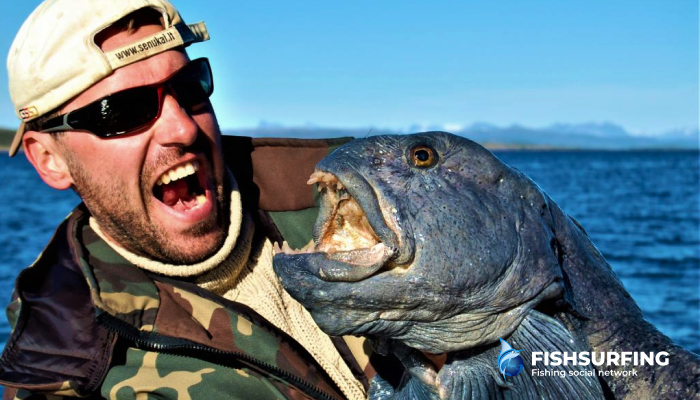
Why fishing in Norway is such a big deal
Norway is an exceptional destination for anglers, primarily thanks to its immense diversity. During a single trip, you can experience several distinct fishing worlds here. While most anglers head primarily to the sea and fjords to catch cod, halibut, or mackerel, the local freshwater fisheries are just as impressive. Mountain streams and glacial lakes are home to large populations of trout, and Norwegian rivers are renowned European hotspots for wild salmon fishing.
In addition to the fish themselves, the region’s unique environment is what makes the North so special. Unlike typical fishing trips to local waters, here you navigate the backdrop of steep fjords, must adapt to rapidly changing weather, and get used to long summer days when the sun barely sets.
Saltwater vs. freshwater fishing
This is the absolute basics. Many people say, “Let’s go fishing in Norway,” but they don’t realize that the rules for saltwater and freshwater fishing differ in almost every important way.
Saltwater fishing in Norway
For recreational saltwater fishing in Norway, you generally do not need a standard fishing license. This applies to both shore fishing and saltwater fishing from a boat, provided you follow local regulations.
However, there are restrictions: you may not catch protected species, you must respect minimum sizes, use hand gear, and stay at least 100 meters away from fish farms. Foreigners are also not allowed to sell their catch.
Regional restrictions and protected zones along the Norwegian coast
At first glance, the Norwegian coast may seem like an endless and completely open playground for all sea fishing enthusiasts. In reality, however, you will encounter important regional restrictions that you must not ignore. A typical and very strict example is the current situation in the Oslofjord and its wider surroundings. Norwegian authorities have implemented significant year-round restrictions here and established special protected zones to save the endangered local cod population.
Before every trip, it is therefore necessary to take a few minutes to check official websites or current guides. If you verify in advance the rules applicable to the specific fjord or coastal area you are heading to, you will not only avoid potential fines due to ignorance but, more importantly, help protect Norway’s natural resources for future seasons.
Freshwater Fishing in Norway
The situation is different for lakes, rivers, and streams. For freshwater fishing, you generally need a fiskekort, or local fishing permit. This is tied to a specific fishing area or region and often to a specific season as well.
Where to get a permit and what rules apply to children
Fortunately, obtaining the necessary documents is not complicated and can be done from the comfort of your home. The most practical way is to purchase it online before you leave, with the official website inatur.no serving as the main hub for anglers. If you decide spontaneously once you’re there, you can usually get a fiskekort at local gear shops, campground reception desks, or directly from local providers and water managers.
A major benefit for families is the welcoming approach toward young anglers under 16. With the exception of fishing for specific migratory species, they can fish completely free of charge, making Norway the perfect destination for introducing children to fishing.
Fishing for salmon and migratory fish comes with additional responsibilities
You should pay close attention if your trip targets anadromous (migratory) fish species. If you plan to fish for salmon, sea trout, or Arctic char in rivers, stricter rules and additional costs come into play. In addition to the standard local permit, you must also pay a special fishing fee to the state.
How to Choose the Right Accommodation for Fishing in Norway
When planning a trip to Norway, it makes a huge difference whether you’re looking for just a picturesque place to stay or a full-fledged fishing base. For a typical family vacation, a beautiful secluded cabin by the fjord might be absolutely ideal. A successful fishing trip, however, requires much more than just a nice view of the water.
Why camp registration is absolutely crucial for exporting fish
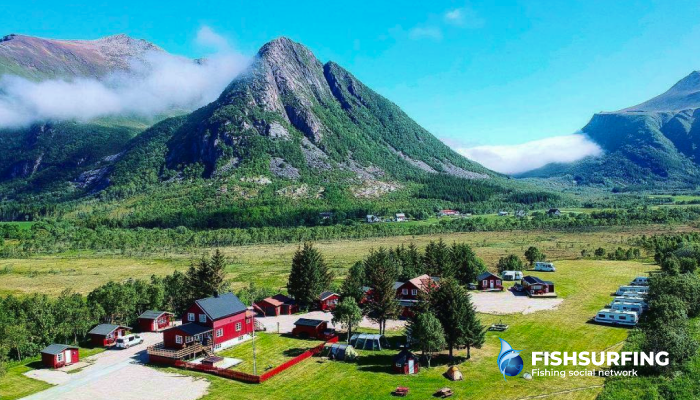
A crucial criterion when choosing accommodation is verifying whether it is an officially registered tourist fishing camp. This detail is essential if you want to legally take your catch home.
Norwegian customs and fisheries authorities have clear rules in place today. The export quota for fish applies exclusively to tourists who have fished through a registered facility and have valid catch documentation issued by the operator. If you stay in a regular private cabin outside this system, you are not eligible to export fish from Norway.
What to Watch Out For Before Booking
Before you confirm your booking, carefully check the facilities at the location. Any experienced angler will tell you that it’s too late to deal with missing infrastructure once you’re there. Focus primarily on the following points:
- Whether a reliable boat is available for the property and what its technical condition is.
- Whether the rental price includes a marine sonar and complete safety equipment.
- Whether the camp has a covered filleting station with running water.
- Whether there is a sufficiently large freezer on site reserved specifically for fish.
- What is the boat’s range to the open sea and to interesting fishing spots?
How much fish can you bring home from Norway?
This is one of the most important practical aspects of the entire Norwegian trip. And at the same time, it’s an area where it really pays to check the rules before every departure, as they change frequently.
Currently (May 2026), tourists are allowed to export 15 kg of fish or fish products per person from Norway, up to twice per calendar year, but only if they fished as part of a registered tourist fishing camp and have the proper documentation. Starting in 2026, mandatory daily catch reports and more detailed export documentation will also be required.
When to go fishing in Norway based on your target catch
One of the most common mistakes made by novice anglers is the assumption that Norway is a year-round destination where the fish bite the same way all the time. The reality, however, is that the success of a trip depends on proper timing.
The summer season is ideal for sea fishing and beginners
If you’re planning your first sea fishing trip, the summer months are clearly the most practical and safest choice. The peak season for sea fishing runs roughly from May to the end of August, with the focus on northern Norway.
The advantages of summer fishing are enormous. The weather is much more stable, the sea is calmer, and thanks to the midnight sun, you can fish in the north even deep into the night with plenty of light. Logistics are easiest during this period; fishing camps are in full swing, and in the fjords as well as on the open sea, you’ll very often encounter trophy-sized halibut, schools of saithe, and the popular mackerel.
Extreme winter skrei cod fishing for experienced sea dogs
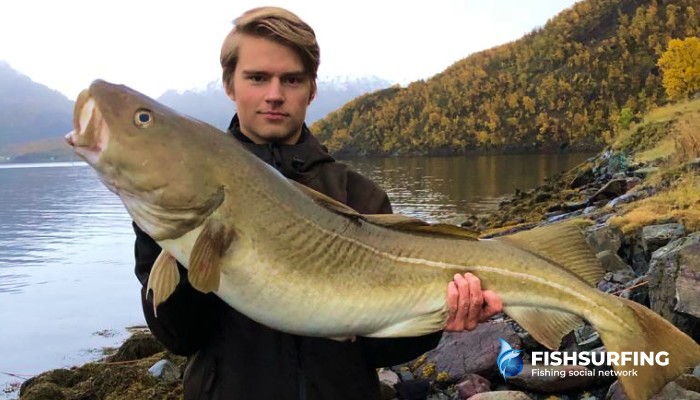
A completely different discipline is fishing focused on specific migratory species. A true phenomenon is the so-called skrei, a giant Arctic cod that migrates to the Norwegian coast (especially the Lofoten area) to spawn.
However, this expedition takes place during the coldest part of the year, usually from February to April. It requires top-of-the-line equipment, resilience against freezing weather, and the ability to navigate a boat in harsh winter conditions. It is not a choice for beginners, but for experienced anglers, it offers the chance for the catch of a lifetime.
Freshwater fishing and the strict salmon fishing season
In inland waters, seasonality is even more dramatic and strictly regulated. While trout fishing on mountain lakes can be enjoyed all summer with a little planning, Norway’s salmon rivers are a world of their own.
The salmon fishing season is relatively short, usually lasting only from June to August, and is subject to strict government oversight. To protect wild salmon populations, many rivers have local restrictions, strict quotas, or even temporary complete closures. If your goal is to catch the king of the local rapids, it is absolutely essential to closely monitor the latest information for the specific river and have a backup plan in case fishing in your chosen area is unexpectedly suspended.
What to bring and what you should definitely not underestimate
In Norway, it doesn’t pay to rely on simply buying missing gear on the spot. Specialty stores can be dozens of kilometers away from the campsite, and prices there are several times higher. What should you not be without on your trip?
Essential gear for saltwater fishing
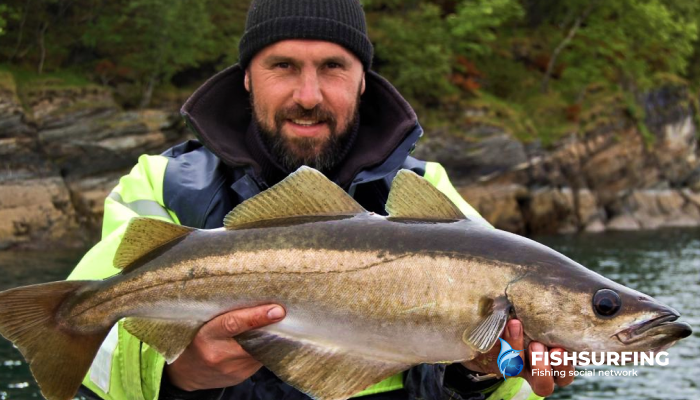
Aggressive saltwater and battles with heavy fish will put every piece of your gear to the test. Basic gear includes:
- A sturdier boat rod and a suitable reel – A more robust boat setup is ideal for deeper water and heavier lures, while a high-quality spinning setup makes sense for active fishing in the water column or lighter spinning.
- Reliable rigs and lures – The basics include strong braided line, abrasion-resistant leader material, and a sufficient supply of pilkers, jigs, and soft plastic lures in various weights.
- Warm, waterproof, and windproof clothing – Weather at sea can change quickly, so it pays to be prepared for cold, wind, and rain. Quality layering and a reliable outer layer that keeps you dry and warm are essential. A floatation suit is useful, but the foundation is quality layering and a life jacket.
- Protection from the sun and cold – Polarized sunglasses, a hat, a neck gaiter, and a high-quality outer jacket will make your day on the water much more enjoyable.
- Equipment for processing your catch – A high-quality filleting knife, pliers, and, for longer transport, a vacuum sealer with thicker bags for fillets are recommended.
Freshwater fishing and treacherous Nordic weather
Equipment for lakes and rivers naturally depends on whether you prefer spinning or fly fishing. But what both sea and land have in common is unpredictable weather. Even in the summer season, an icy wind and horizontal rain can arrive from one hour to the next.
The key to success is smart layering. The foundation should be high-quality merino wool base layers, with a reliable waterproof membrane as the outer layer. It is often underestimating the importance of clothing—not the lack of expensive lures—that is the most common reason for a ruined trip.
Common Mistakes Before Your First Trip to Norway
Planning your first trip north is usually full of excitement, but also unnecessary missteps that can seriously complicate your dream vacation.
Lack of knowledge about the differences between waters
Beginners often fail to distinguish between recreational sea fishing, for which you typically do not need a standard fishing license, and freshwater fishing, where a local fishing permit is required. Additionally, if you’re targeting salmon or sea trout, there are further fees and regulations to consider. Underestimating these differences or local restrictions can lead to unnecessary problems.
Accommodation without fishing facilities
Choosing a cabin based solely on pretty photos is a huge risk, because you need functional infrastructure for a successful fishing trip. Always check in advance whether a safe boat, a covered filleting area, and a sufficiently large freezer are available on-site.
Improperly Verified Export of Catch
Only tourists who fish through an officially registered tourist fishing camp and have the proper documentation are eligible for an export quota. If you overlook this detail, you may lose your catch during an inspection and face unnecessary complications.
Inappropriate clothing for changeable weather
Norwegian conditions can change quickly, and a sunny day can turn into windy and cold weather in a short time. Those who underestimate the importance of layering, a waterproof layer, or safety equipment on the boat often end up freezing and unnecessarily shortening their time on the water.
The naive notion of a guaranteed catch
Social media creates the illusion that fish in Norway jump right into the boat, but this is still hunting wild animals, which requires humility. If you choose the wrong time, an unsuitable location, or neglect your preparation, no one can guarantee your success here either.