


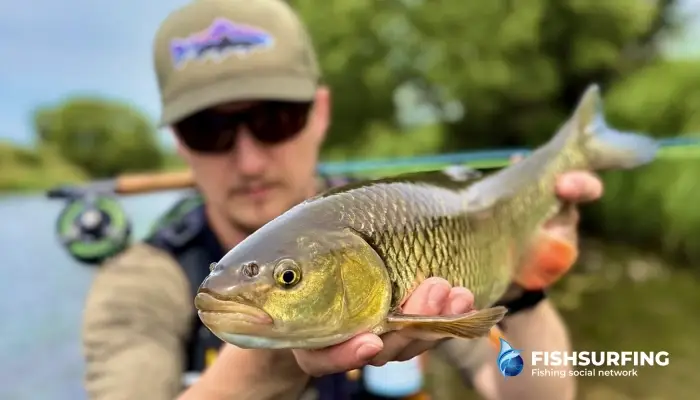
Choosing your first fly-fishing box can really confuse beginners. Hundreds of patterns, complicated names, and bright colors often give the impression that you don’t stand a chance on the water without a massive setup. The reality, however, is much simpler. To start with, all you really need is a few tried-and-true dry flies, reliable nymphs, and a few streamers—with these, you’ll easily cover most situations on rivers and streams. Let’s take a look at how to put together a small but highly effective fly box and why it doesn’t pay to base your purchases solely on appearance.
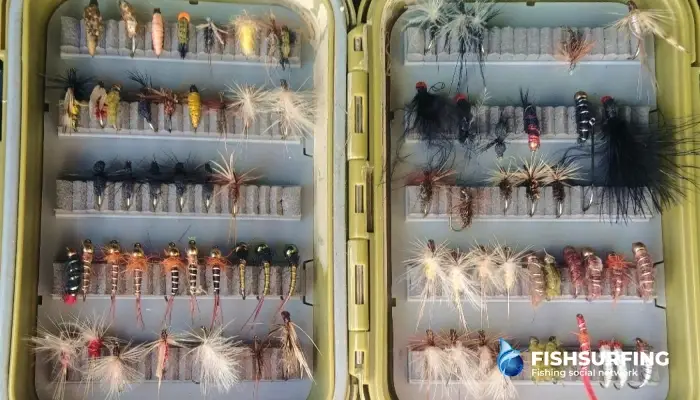
Your first fly box shouldn’t be full—it should be thoughtfully organized
When making your first purchase, it’s very easy to fall for the illusion that the more varied your arsenal is, the better prepared you’ll be on the water. But the opposite is true. As soon as you look into a box on the bank filled with dozens of unfamiliar patterns, the sheer number of options will paralyze you. Instead of fishing, you’ll constantly second-guess yourself and waste time sorting through them.
It’s much more effective to start with a more modest—but all the more carefully thought-out—foundation. Your first kit should include reliable dry flies for surface fishing, nymphs for working the water column and the bottom, and a few streamers for active retrieves.
What Your First Fly Box Must Have
A well-assembled starter box follows three basic rules:
- It reliably covers most common situations on the fishing grounds.
- It is as easy to navigate as possible, even for a beginner.
- It contains multiple flies of several proven patterns.
The third point is absolutely crucial. When you’re out on the water and find a fly that’s working that day, only to snag it in the branches or on a rock on the bottom right after, you need to be able to reach for a spare immediately. Having three identical, effective patterns in reserve is simply incomparably better than owning twenty unique flies that you have no idea when to tie on.
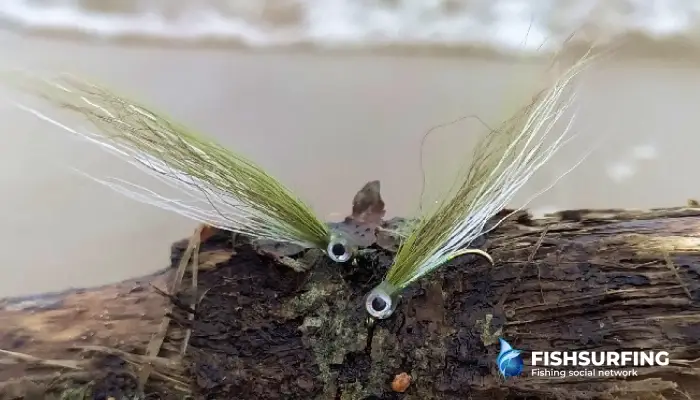
How Many Flies to Buy for Your First Box
The golden rule says that to start with, about 25 to 35 flies will be more than enough. This is the perfect compromise—you’ll have a sufficient arsenal on hand to respond to various situations on the water, but at the same time, you won’t risk getting lost in your box and rummaging through it in confusion.
A well-thought-out basic fly-fishing set might look something like this:
|
Fly Type |
Recommended quantity |
What it’s used for |
|---|---|---|
|
Dry flies |
8 to 10 flies |
Classic and visual surface fishing |
|
Nymphs |
12 to 16 pieces |
Effective fishing through the water column and along the bottom |
|
Streamers |
3 to 5 pieces |
Active lure presentation and enticing larger catches |
|
Accessories |
2 to 4 pieces |
Solutions for specific situations (imitating fallen summer insects or targeting cautious fish just below the surface) |
Consider this breakdown more of a handy starting point than a strict rule. Always tailor the contents of your fly box to the fishing spot you plan to visit most often. If you plan to wade a small trout stream, give the most space to nymphs and dry flies. If you’re more drawn to fishing in still water, you’ll definitely appreciate smaller midges and inconspicuous patterns just below the surface. And for targeted fishing in deep pools, it’s definitely worth stocking up on smaller streamers.
Dry Flies for Your First Tackle Box
Dry flies represent the most beautiful, purely visual form of fly fishing, which is why they should definitely be part of your starter kit. But don’t be tempted to go on a reckless shopping spree. A few versatile patterns imitating common insects will be more than enough.
A common mistake beginners make is choosing with their eyes and buying what they like. For the fish, however, the correct silhouette, appropriate size, and—above all—how reliably the fly sits on the surface are much more important.
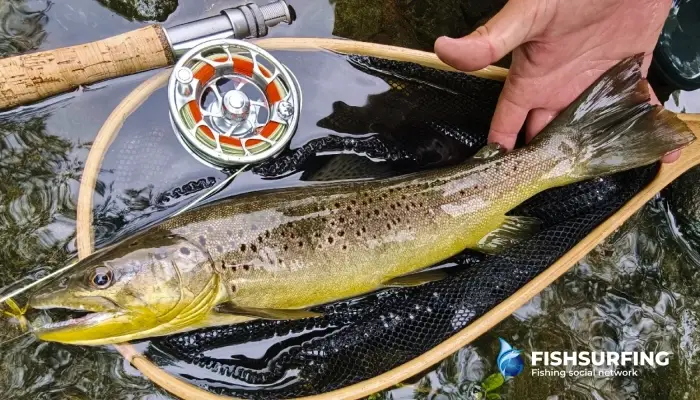
Which Specific Patterns to Get
These patterns will serve as an excellent foundation for your first fly box:
- Versatile mayflies in subtle natural shades
- Caddis flies with a clearly visible wing (they float excellently and are easy to track on the surface)
- Delicate CDC flies for moments when fish require an inconspicuous and precise presentation
- Smaller land beetles or ants (an absolute must during the summer months)
- Smaller, dark flies to outwit even the most cautious fish
When choosing, keep it simple and opt for natural colors. Brown, gray, olive, beige, or black will get you the most catches. While bold and reflective shades may occasionally trigger a strike, you don’t need them as the foundation of your fly box.
What Size to Choose
For your first steps by the water, flies in sizes roughly 12 to 18 are ideal. The larger ones will be easier to tie on, but more importantly, you’ll be able to see them clearly on the moving water—which is absolutely crucial when you’re just starting out. You’ll use smaller flies when the fish are cautious or when tiny insects are hatching and the fish simply ignore larger bait.
A great and proven tactic is to get two sizes of each universal pattern. Use the larger, more conspicuous version in faster-moving water and the smaller version for subtle fishing in calmer waters.
Nymphs as the Foundation of Your First Fly Box
If you were to intentionally stock any section of your first fly box more heavily, it should definitely be nymphs. The reason is quite simple: fish consume the vast majority of their food underwater, even at times when you don’t see a single rise on the surface. That’s precisely why nymphs are the absolute cornerstone of a beginner’s tackle box.
Moreover, with nymphs, it’s not just about how faithfully they mimic insects. Their weight plays an absolutely crucial role. While you need a light nymph that drifts naturally and slowly in shallower sections, in a strong current you can’t do without a heavy pattern that can sink through the water column to the bottom in a flash.
Tried-and-True Patterns for Beginners
For your first fly box, this reliable staple will serve you best:
- Classic pheasant tail
- Hare’s ear for a slightly more provocative silhouette
- A versatile nymph in olive, brown, or black
- Heavier caddis nymph
- Jig nymphs with tungsten heads for safely fishing the bottom
How to Choose the Right Nymph Weight
For your first tackle box, make sure to include nymphs in a variety of weights. You’ll appreciate the lighter models in shallow water, in slower currents, or when the fish are being very cautious. Heavy tungsten nymphs, on the other hand, are best used in strong currents and deep pools, where you need to get the lure all the way down to the fish.
A common beginner’s mistake is buying ten nymphs that may look different on the surface but behave exactly the same underwater because they all have the same weight. A much smarter and more effective tactic is to rely on a smaller number of proven patterns, but in various sizes and, above all, in different weights.
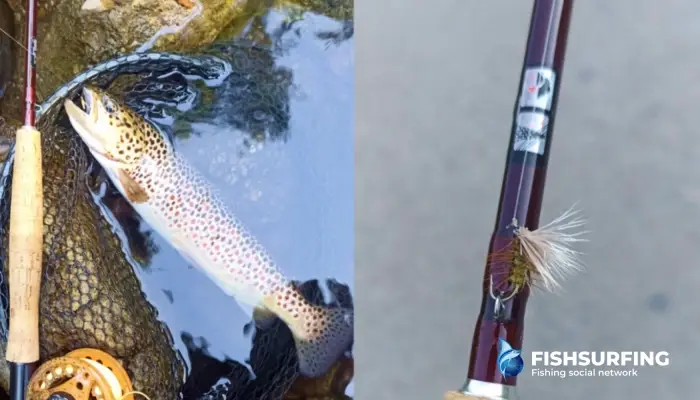
Streamers as an Effective Addition for Active Fishing
Streamers are a great addition to your first tackle box, but they definitely shouldn’t take up most of the space. You’ll appreciate them especially when you want to offer the fish a heartier bite, need to systematically fish a deep pool, or feel like trying a more active fishing style.
Tried-and-True Streamer Patterns
This basic selection will be more than enough for your first tackle box:
- A smaller Woolly Bugger (an absolute and highly versatile classic)
- A smaller zonker
- A versatile black streamer
- An olive streamer
- A natural pattern that closely mimics a small fish
When it comes to colors, keep it simple. Black, olive, brown, and natural shades form an absolutely reliable foundation. You can add one more striking (for example, a brightly colored) piece to your backup for fishing in murky water or when visibility is poor, but definitely don’t base your entire tackle box on flashy colors.
Midges and Other Useful Accessories
Midges, wet flies, or so-called emergers (imitations of insects rising and hatching just below the surface) can be extremely useful by the water, but they should be included in your first fly box only in symbolic quantities. When you’re just starting out, it’s much more important to master the absolute basics—fishing with dry flies, nymphs, and the occasional streamer.
What to Include in the Supplementary Section
- 2 to 3 smaller midges (an excellent choice for still water)
- 1 to 2 simple wet flies
- A few small emergers for handling specific situations at the surface
- One or two land beetles for hot summer days
You can gradually expand and fine-tune this supplementary section based on which fishing spots you’ll visit most often and what situations you’ll actually encounter on the water.
Common Mistakes When Buying Your First Flies
When you’re just starting out with fly fishing, it’s easy to make a mistake amid the flood of all those beautiful patterns. Here are a few of the most common missteps that almost all of us have encountered at the beginning, along with tips on how to elegantly avoid them.
- Buying huge, cheap, haphazard sets—While large, pre-packaged sets may seem like a good deal at first glance, in practice they usually contain a huge number of pointless or ineffective patterns that you’ll never tie. It’s much better to invest in a smaller selection of truly proven flies.
- Relying solely on dry flies—Fishing with a floating dry fly is beautiful and visually appealing, but fish feed below the surface most of the time. If you don’t include enough nymphs in your fly box, you’re unnecessarily limiting your chances of catching fish.
- The “one of each pattern” rule – Once you find the right, effective fly at the water’s edge and immediately snag it on a branch or rock, you’re in trouble. Therefore, always buy multiple copies of proven basic patterns so you have an immediate replacement.
- Choosing flies that are too large—While larger flies are much easier for beginners to tie on and track on the water, they often bear no resemblance to the fish’s small natural prey. Your first fly box should primarily contain medium and smaller sizes.
- Lack of heavy nymphs – If you rely solely on light, unweighted patterns, you simply won’t be able to get your lure down to the bottom zone—where the fish are actually holding—in faster currents or deeper pools.
- A Completely Disorganized Box—Throwing all your flies into the box haphazardly means you’ll just end up searching around confusedly by the water and wasting time. A simple and logical organization by type and weight will save you a lot of frustration.
Sample shopping list for your first box
Your very first box might look something like this:
|
Type |
What to Buy |
Quantity |
|---|---|---|
|
Dry flies |
mayflies, caddisflies, CDC flies, beetles |
8–10 |
|
Lighter nymphs |
pheasant tail, hare’s ear, olive nymph |
5–7 |
|
Heavier nymphs |
Tungsten jig nymphs, black and brown nymphs |
6–9 |
|
Streamers |
Woolly Bugger, Zonker, black and olive streamers |
3–5 |
|
Accessories |
midges, wet flies, emergers |
2–4 |
A box like this isn’t overly large, but it offers plenty of options for a typical fishing trip. Most importantly, you’ll know why every fly is in there.
Your first box is just the beginning
Putting together your first fly-fishing box isn’t rocket science after all, even though it might seem that way at first glance amid the flood of various materials and unfamiliar names. Remember that in this case, less really is more. A small, logically organized, and easy-to-navigate box will take you much further on the water than a massive collection of random patterns in which you’ll get lost.
Rely on versatile dry flies, don’t forget to include plenty of nymphs in various weights, and add a few smaller streamers. And don’t worry if your box isn’t perfect right away—it will evolve as you gain experience, explore new fishing spots, and discover what works on the local fish. To start with, the main thing is not to waste time fumbling through patterns; instead, focus fully on the fishing itself and reading the water.