


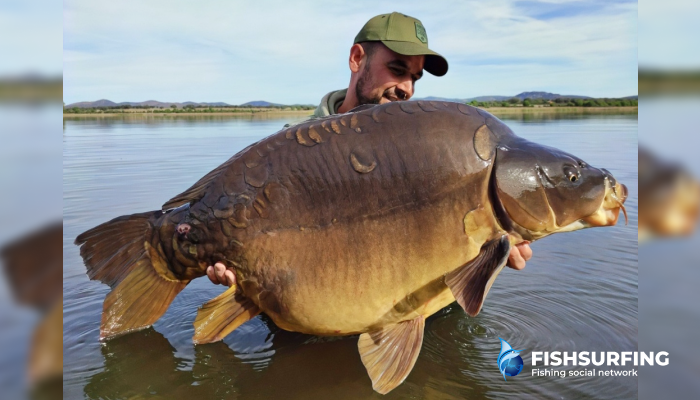
Corn is one of the simplest and most reliable fishing baits. It works on carp, bream, tench, grass carp, and other non-predatory fish, and you can find it practically anywhere. But not all corn is created equal. When is it better to reach for a can, and when should you cook up a larger batch of dry corn instead? And how do you prepare it so that it’s soft, holds its shape well, and can also be used for feeding?
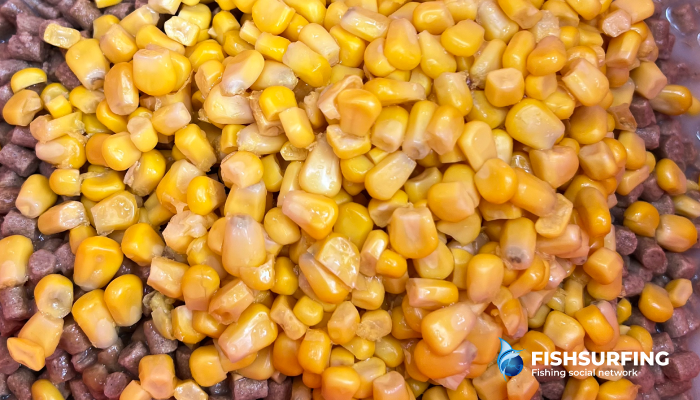
Why Corn Still Works for Fishing
Corn isn’t some modern miracle bait, and that’s precisely where its main strength lies. It’s a vivid yellow, so fish can easily spot it on the bottom, and it has a naturally sweet taste and aroma.
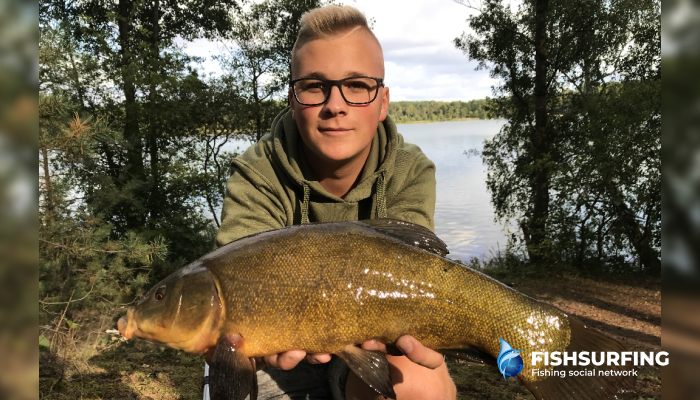
It works especially well when fishing for carp, but it’s certainly not limited to carp fishing. Bream, tench, crucian carp, chub, and grass carp all reliably take it. Depending on how it’s rigged, it’s suitable for feeder fishing, float fishing, and classic bottom fishing.
Another major advantage is the price. Especially when you need a large quantity of groundbait, corn is incomparably cheaper than boilies or pellets.
Canned or dried corn?
Both options have their place by the water. The difference lies mainly in the ease of preparation, price, hardness of the kernels, and the amount you need at any given time.
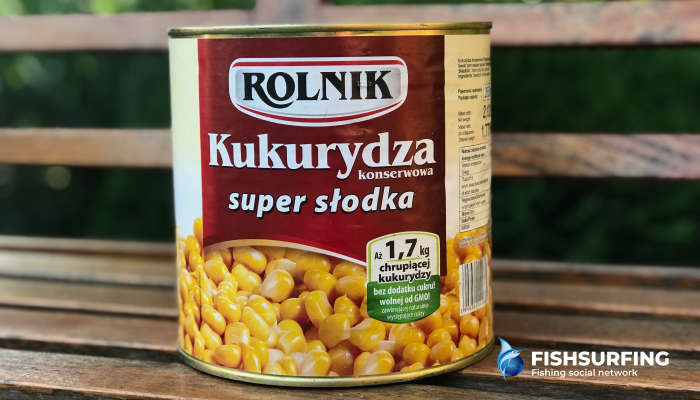
Canned corn
Regular sweet corn in a can is the simplest option. Just open it and you’re ready to fish. The kernels are wonderfully soft, sweet, and have a very distinctive aroma.
You’ll appreciate it most in these situations:
- On short trips to the water
- As bait skewered directly onto the hook
- When fishing with a feeder or a float
- When you’re using only a small amount of bait
- If you don’t want to waste time on preparation
Its biggest drawback is its softness, as mentioned earlier. Smaller whitefish can pull it off the hook fairly quickly, and with a really forceful cast, the kernel may not always stay on the hook reliably. However, canned corn is exceptionally practical for feeder or float fishing, because you simply don’t need to haul around kilograms of groundbait on a typical fishing trip.
Dried corn
Dry feed corn is harder, slightly larger, and significantly cheaper when bought in bulk. However, you’ll need to spend a little time preparing it before fishing.
It makes the most sense in the following situations:
- On longer carp fishing trips
- For more extensive area feeding
- If you specifically need harder kernels on the hook
- For more selective fishing for larger fish
- When you’re mixing your own groundbait blend
However, never treat dry corn as a ready-to-use product that you can simply scoop out of the bag and pour straight into the water. Before any use, you must always soak it thoroughly and cook it.
How to Prepare Dry Corn Step by Step
The preparation itself isn’t complicated, but you need to start early.
1. Rinse the corn
First, quickly inspect the dried corn and discard any damaged or moldy kernels. Then rinse it with clean water to remove dust and small particles of dirt. Right from the start, make sure to use a container that’s large enough. The corn will significantly increase in volume as it soaks, so a small pot or bucket filled to the brim is definitely not ideal.
2. Let it soak at least overnight
Cover the corn with plenty of water and let it soak for approximately 24 to 48 hours. The water should always be a few centimeters above the kernels, as the corn gradually absorbs it. During this process, the kernels will begin to soften and expand. If the water level in the container drops significantly, simply top it off a little.
3. Cook the corn
After soaking, cook the corn directly in the same water. As a rough guide, allow about 30 to 60 minutes, but the exact time always depends on the specific type of corn, the size of the kernels, and the total soaking time.
So don’t rely solely on the timer. Every now and then, remove a few kernels and squeeze them between your fingers. The cooked corn should be plump and tender, but it definitely shouldn’t fall apart into mush. If the center of the kernel is still hard and dry, let the pot simmer for a little longer.
4. Let it cool in the cooking liquid
You don’t have to drain the cooked corn immediately after turning off the stove. Feel free to let it cool slowly right in the water it was cooked in. The resulting cooking liquid is full of starch and other beneficial substances released from the kernels, so you can put it to great use, for example, to moisten dry feed mix. In addition, as the corn cools gradually, it softens even more and reabsorbs some of the liquid.
How to Tell If the Corn Is Prepared Correctly
Properly prepared kernels meet several basic criteria. They must be:
- visibly swollen
- thoroughly hydrated on the inside
- sufficiently soft
- but at the same time still firm enough to hold securely on a hook or on a hair rig
You don’t have to turn it into mushy, soft canned corn at all costs. If you plan to use it mainly for heavy feeding or for baiting under the hook, a slightly firmer texture is actually a big advantage.
If the kernels crumble immediately when you gently squeeze them between your fingers, you’ve cooked them for too long. While you can still use them without any problems as bait in a feed spread, they won’t hold well on a rig when used as a standalone lure.
When Canned Corn Is Better
Dried corn is definitely not automatically better just because you cook it yourself. In many situations, a regular can is a far more practical choice.
For a short outing
If you’re heading to the water for just two or three hours, there’s no point in cooking a whole bucket of groundbait the day before. One can will easily suffice both for the bait on the hook and for a small amount of groundbait at your fishing spot.
For a lighter feeder
When fishing delicately for bream, tench, or smaller carp, soft sweet corn is absolutely excellent. You can thread a single kernel directly onto the hook or cleverly combine it with meatworms. With a method feeder, one or two kernels make for a simple bait that contrasts beautifully with the feeder mix or micro-pellets.
When you need just the bait
If you’re primarily feeding with pellets, boilies, or loose groundbait and want to use corn exclusively on the hook, there’s no need to spend time preparing and cooking large quantities of dry kernels.
When dry corn is worth it
The dry option makes the most sense when you also want to use corn as groundbait.
For larger-scale feeding
Buying cans by the dozen would quickly become expensive if you’re using several kilograms. Dry corn is significantly more cost-effective, and you can easily cook enough in one batch to last an entire multi-day trip.
When you want a firmer bait
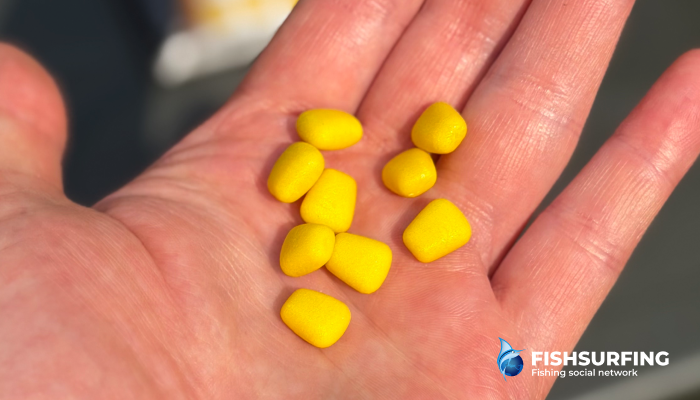
Cooked feed corn is noticeably firmer than sweet canned corn. As a result, it stays on the hook much better in a hair rig, and small whitefish won’t pick it apart so easily. You’ll especially appreciate this when waiting a long time for a bite from larger carp or grass carp.
When you want to combine it with other particles
Corn pairs perfectly with hemp, wheat, rapeseed, peas, and other grains. This creates a varied feeding spot where fish will happily spend a long time searching for individual bites. But don’t overdo it. The goal isn’t to cover the bottom with a ton of food, but to keep the fish in place and encourage them to keep feeding eagerly.
How to Set Up Corn
There are several simple ways to present corn underwater.
Directly on the hook
The simplest method is to thread one or two kernels directly onto the hook. However, you must always leave the hook point exposed. If you completely cover it with corn, you’ll reduce your chances of a successful hookset. For smaller hooks, a single kernel is usually sufficient.
On the leader
When fishing for carp and larger fish, corn works great when rigged on a leader below the hook. This keeps the hook itself completely exposed, allowing the fish to safely pull it into its mouth when it takes the bait. You can place two to several kernels on the leader at once or combine corn with another bait.
Corn and Worms
The combination of corn and meatworms is a simple yet incredibly effective tactic for bream, tench, and carp. The bright yellow kernels serve as an excellent visual cue, and the worms provide the bait with much-needed movement. Moreover, similar combinations work great on fish with a varied diet—a roach, for example, will happily take corn just as readily as insects, earthworms, or other natural prey.
Is it worth flavoring the corn?
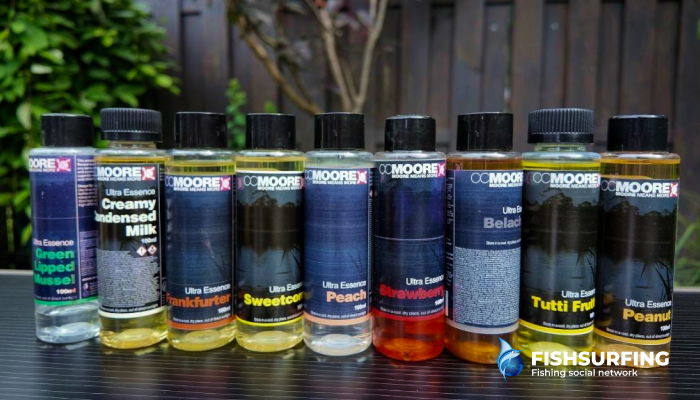
You can, but it’s not necessary. Corn smells and tastes good enough on its own. If you want to experiment, add a sweet, spicy, or fruity flavoring to the soak, but don’t overdo the intensity.
You can also try dividing the boiled corn into two portions and flavoring only one—you’ll immediately see by the bite which one works better. Moreover, in heavily fished spots, plain natural corn often outperforms heavily flavored baits.
How to Store Corn
Ideally, prepare only as much boiled corn as you’ll use within a few days. Once it has cooled, store it in a sealed container in a cool place. If you won’t use it right away, divide it into smaller portions beforehand and freeze it. Once thawed, you can easily use it as both bait and groundbait. As soon as the corn starts to mold, develops an unpleasant odor, or you’re unsure of its condition, it’s best not to take it to the water at all.
Which Fish Respond to Corn
Corn is most commonly associated with carp, but its uses are much broader.
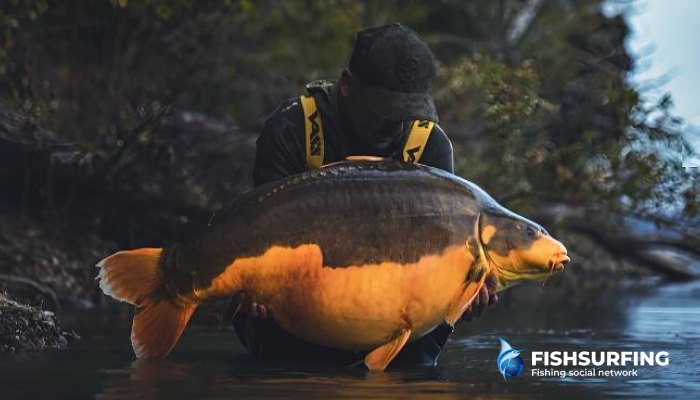
- Carp – Corn is a classic carp bait and groundbait. You can use it on its own, in a particle mix, or in combination with boilies and pellets.
- Grass carp – Sweet plant-based bait also makes sense when specifically targeting grass carp. You can use a few kernels on the leader and also add corn to the feeding spot.
- Bream and tench – For bream and tench, one or two soft kernels are often enough. Especially when using a feeder, corn is highly visible and lasts longer on the hook than some more delicate baits.
- Barbel – Corn can also work well when fishing for barbel, especially in areas where the fish are accustomed to it. In running water, you’ll appreciate that a properly baited kernel stays on the hook quite well.