


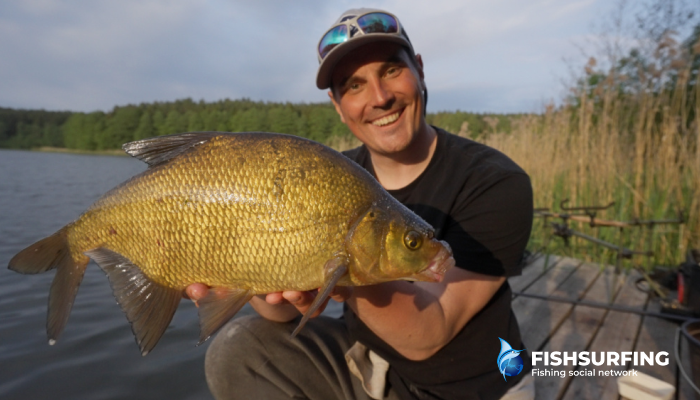
Worms, earthworms, and bloodworms are among the most popular baits that work reliably throughout virtually the entire season. However, each behaves completely differently on the hook and attracts different species of fish. Success depends on the size of the bite, the enticing movement, the target fish, and the chosen fishing method.
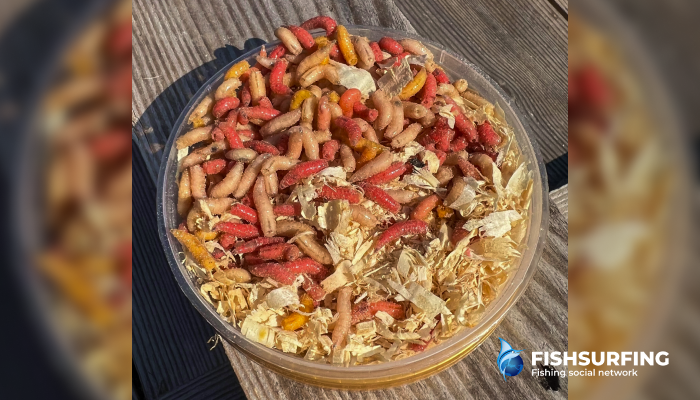
White worms as a versatile bait for both smaller and larger fish
When anglers refer to “white worms,” they usually mean fly larvae. They are small, move vigorously, and create a lively bait on the hook that can attract a large number of non-predatory fish.
They are among the basic baits used in float fishing and feeder fishing. Roach, bream, crucian carp, tench, chub, and smaller carp all take them. They also work well in colder water, when fish often respond better to a small bite than to a large portion of food.
How Many Worms to Put on the Hook
A single worm creates a very delicate bait. It’s suitable for catching small fish or when the bites are cautious. Two to three worms make for a more substantial bite and move more on the hook. A larger cluster can be used when specifically targeting larger bream, carp, or roach.
Always match the number of worms to the size of the hook. Don’t put so much bait on a small hook that it completely covers the hook’s bend and point.
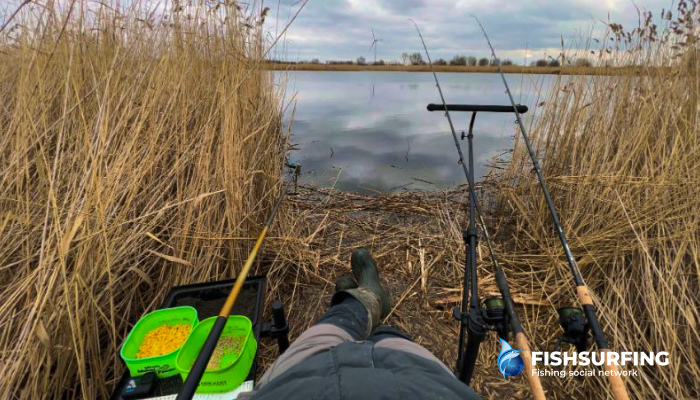
How to Bait a Worm Properly
It is not necessary to thread the worm along its entire length. Gently grasp it by the skin at the wider end of its body. This way, it will remain active longer, and the bait will look more natural in the water.
Do not pull the hook through the center of the body if you want to keep the worm alive. If hooked roughly, it quickly loses fluid and stops moving. If you’re using several worms, bait them side by side so that each has room to move.
When to Fish with Earthworms
An earthworm is a significantly larger and more substantial bite than an ordinary white worm. It moves actively, releases a strong scent trail, and fish perceive it as completely natural prey.
It works great for bream, tench, crucian carp, carp, chub, and barbel. In rivers, other bottom-feeding species will also eagerly take it. For chub, the earthworm is literally a classic delicacy—after rain, the water naturally washes them from the banks, so they don’t seem suspicious to the fish.
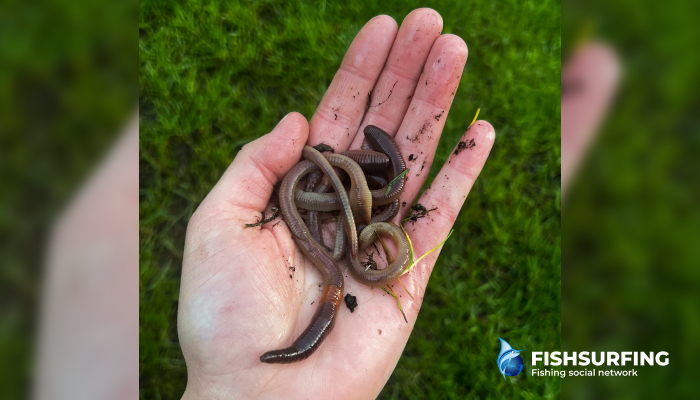
Whole earthworm or just a piece?
You can bait a smaller earthworm whole; with a larger one, however, it may be better to cut it and use only a portion. A whole earthworm is more lively and makes for a larger bite. A piece of earthworm, on the other hand, fits better on a smaller hook and can be more effective with careful strikes.
If fish repeatedly tug at the end of the bait but you can’t set the hook, try shortening the earthworm. Long, loose ends give smaller fish room to nibble at the bait without coming into contact with the hook.
Don’t Hide the Entire Hook
A common mistake is trying to thread the earthworm from one end to the other and completely hide the hook inside. While part of the worm’s body can partially cover the hook, you must leave the point exposed or just below the surface of the bait so that it immediately makes contact with the fish’s mouth when it strikes.
The earthworm can simply hang loosely from the hook. Its movement is one of the main things that makes it attractive.
The Rousnice: The Best Bait for Large Fish
The rousnice is the largest type of earthworm, so you definitely won’t overlook it on the hook. Reach for it when you want to offer a truly substantial bite while effectively limiting annoying strikes from the smallest fish.
Carp, barbel, trophy chub, and other larger fish respond well to the rousnice. Its strong scent and distinctive movement work especially well in rivers or murky water.
The rousnice is very noticeable in rivers
In flowing water, the bait’s scent spreads downstream, and a large, moving bait can attract fish even in poor visibility. For example, when fishing for barbel, the rousnice is used as one of the more effective natural baits. It’s especially suitable when you want to offer something larger than a few white worms.
A whole roach isn’t always best
The size of the roach makes it tempting to always use it whole. However, if you’re only getting short strikes or the fish are nibbling at the ends, try using half a roach.
A split bloodworm also releases a stronger scent. In murky water or when fishing in the evening, that scent trail can play a crucial role.
Worms, earthworms, or bloodworms?
There’s no universal winner among live baits. Each option behaves a little differently in the water:
|
Bait |
Bite Size |
Typical Use |
Common catches |
|---|---|---|---|
|
White worms |
Small |
feeder fishing, float fishing, light tackle fishing |
roach, bream, crucian carp, tench, carp |
|
Earthworm |
medium |
feeder, float, bottom fishing |
bream, tench, chub, carp, barbel |
|
Rousnice |
large |
bottom fishing, feeder, river fishing |
barbel, carp, larger chub, and other larger fish |
How to Choose the Right Bait for a Specific Fish
If you want to catch whatever happens to swim by your bait while you’re fishing, a few white worms are a safe bet. But once you start targeted fishing, it’s better to choose your bait carefully based on the species and size of the catch you’re aiming for.
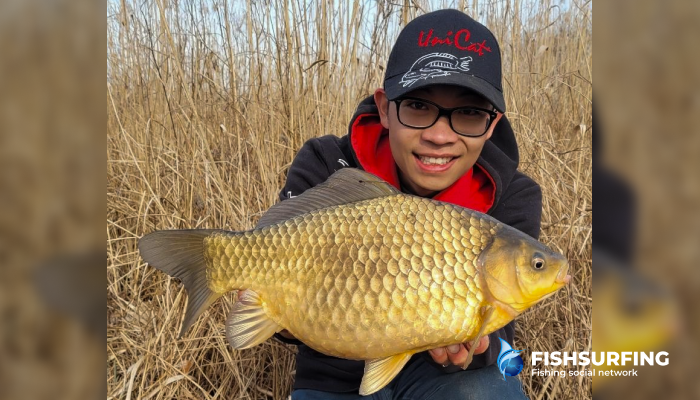
Roach and smaller bream
For smaller fish, start with one or two worms. A small bite fits nicely on a delicate rig, and the fish will suck it in quickly and without any trouble. When the bites are really very tentative, a single worm on a small hook can usually work wonders.
Larger bream
Larger fish require a more substantial bait. Try three worms, an interesting combination of a worm and an earthworm, or a small piece of a classic earthworm. When the fish are active, you can gradually increase the size of the bait without worry.
Tench
Tench love animal food gathered directly from the bottom, so earthworms and maggots are among their favorite treats. The tried-and-true combination of several worms with another bait also works great. In waters teeming with small fish, however, be careful—they can strip the earthworm bare very quickly.
Carp
Carp certainly don’t rely solely on boilies or corn. In smaller still waters and when fishing for carp more delicately, a few worms or a good-sized earthworm can land a beautiful fish on your mat. Keep in mind, however, that bream and other whitefish will also reliably respond to live bait.
Barbel and Chub
In rivers, earthworms are a completely natural food source. After rain, the current washes them directly from the banks, so they don’t look like a suspicious bite to the fish. What’s more, the strong current does all the work for you—the free end of the earthworm constantly moves enticingly in the water, sending an unmistakable signal to the fish.
How to Use Live Bait with a Feeder
White worms and earthworms are among the basic feeder baits. A major advantage is the ability to quickly adjust the bait size without having to rebind the entire rig. When small roach are biting, you can start with a single worm. As soon as larger bream appear at the feeding spot, add more worms or switch to an earthworm.
You can also add worms to the groundbait
A few live worms in the groundbait create extra movement, and the fish can gradually pick them out from the bottom. Be careful with the quantity, though. A large amount of live worms can quickly spread out from the feed and attract a lot of small fish in some spots. When using a classic feeder on a river or in still water, adjust the amount based on which fish are actually responding at that spot.
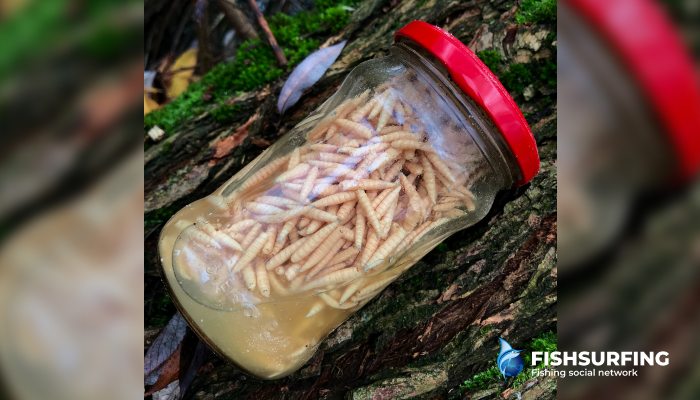
How to Store Live Bait by the Water
Live bait works best when it stays truly alive:
- Protect worms from heat. Keep white worms in a closed but ventilated container, and most importantly, out of direct sunlight. In the summer, a small box can overheat very quickly. For longer trips or all-day fishing, store them in a cool place. Do not leave the box on a hot car dashboard or in the sun next to your rods all day.
- Earthworms and bloodworms need moisture and shade. Keep earthworms and bloodworms in a moist environment and protect them from drying out. A container with a small amount of suitable substrate and a ventilated lid is practical. However, too much water is not good for them. The substrate should remain moist, not waterlogged.
How to Strategically Rotate Baits Based on Bites
If you’re unsure what’s actively biting at a new spot, a few white worms are your best bet to start with. They’ll quickly show you whether roach, bream, or other fish are circling the feeding spot.
As soon as you’re ready for a bigger bite, feel free to reach for an earthworm. Save the bloodworms, on the other hand, for times when you’re specifically targeting trophy-sized fish, fishing in a strong current, or simply need a really distinctive bait with intense movement and a strong scent trail.
But the bites themselves will tell you the most. If the fish are just cautiously nibbling at the bait, you’re better off using a smaller one. If, on the other hand, smaller fish are devouring your worms one after another, try switching to a larger bait. This simple and quick change of bait will often tell you more about what’s happening beneath the surface than an hour spent waiting in vain.